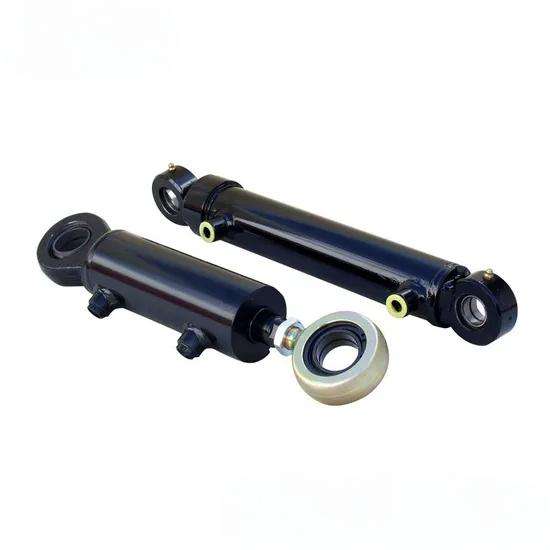
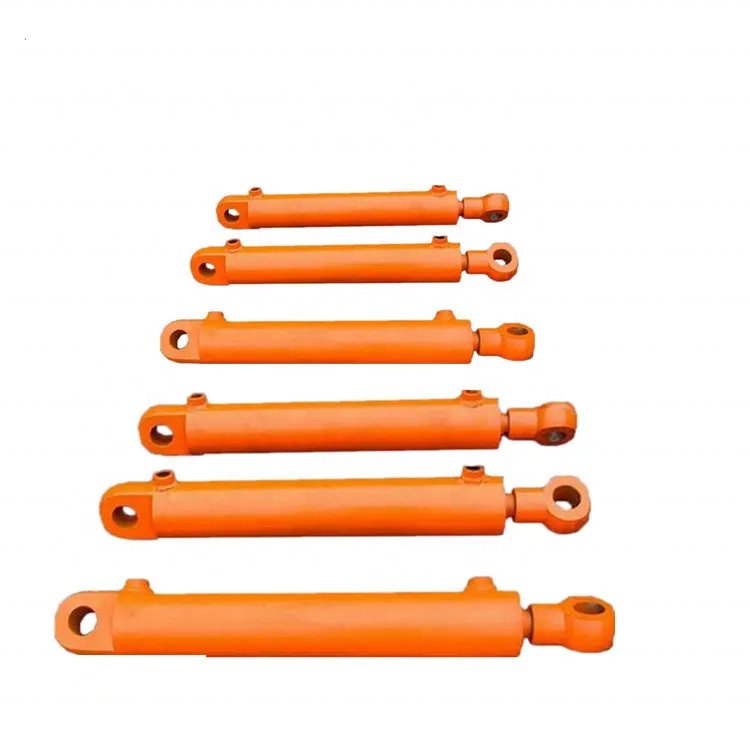
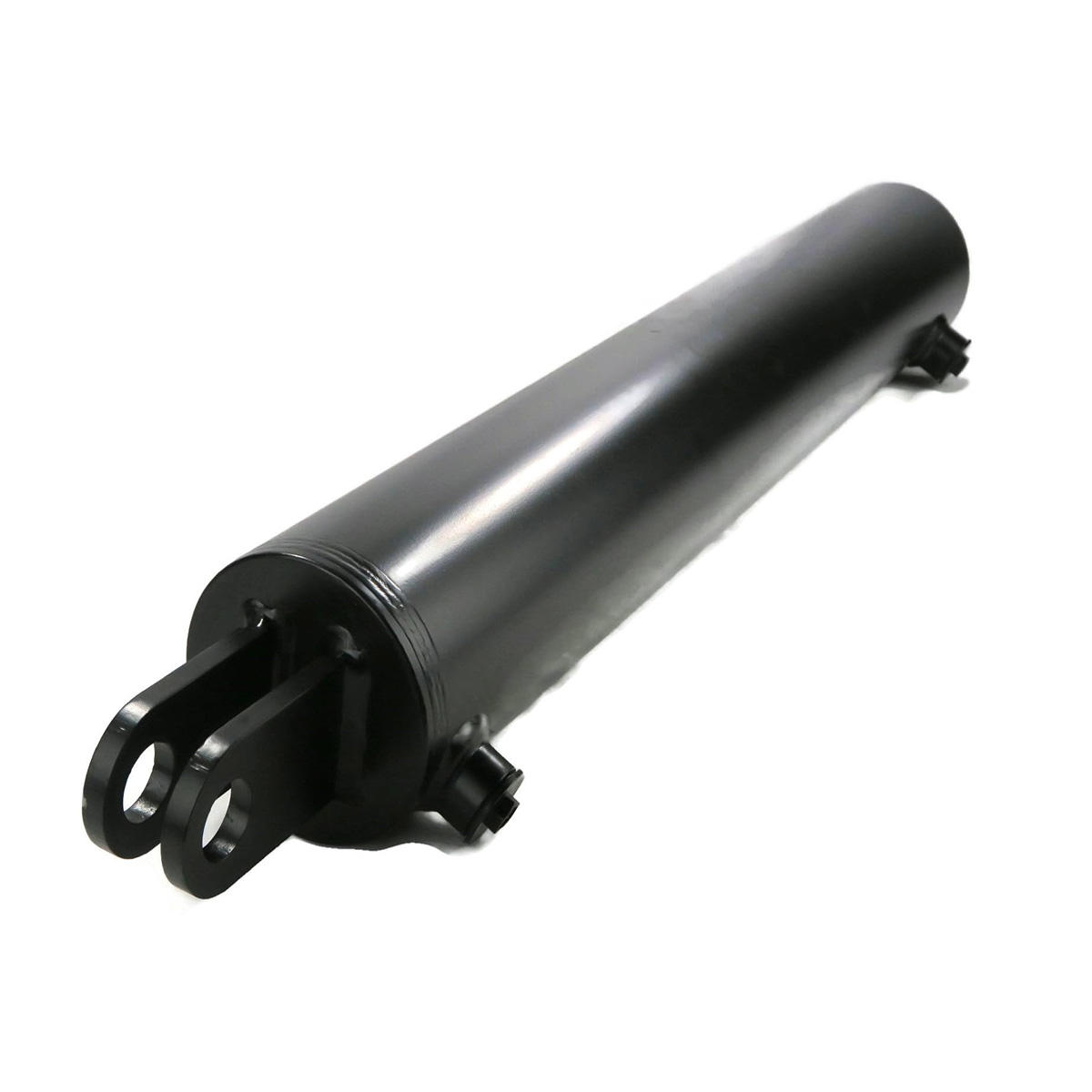
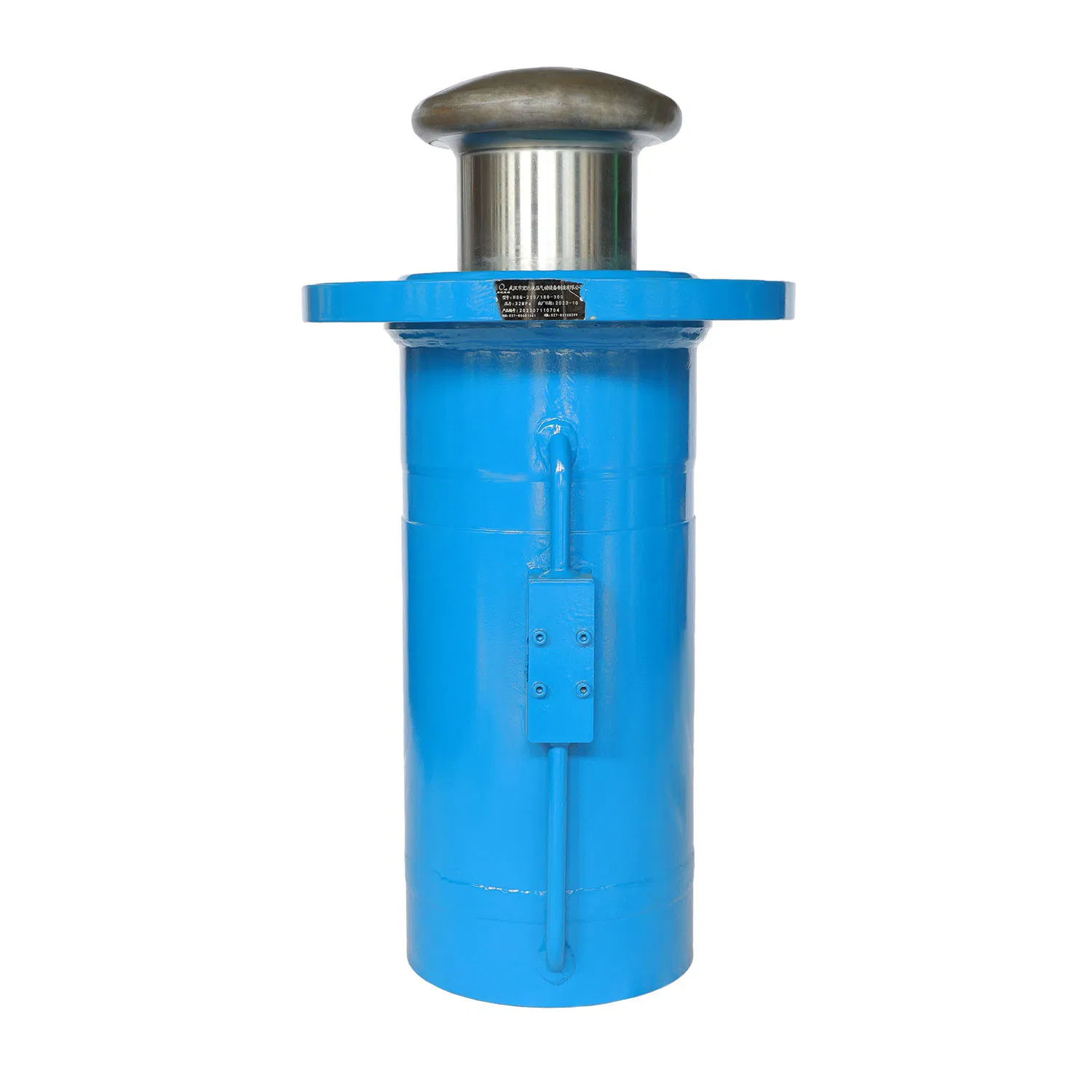
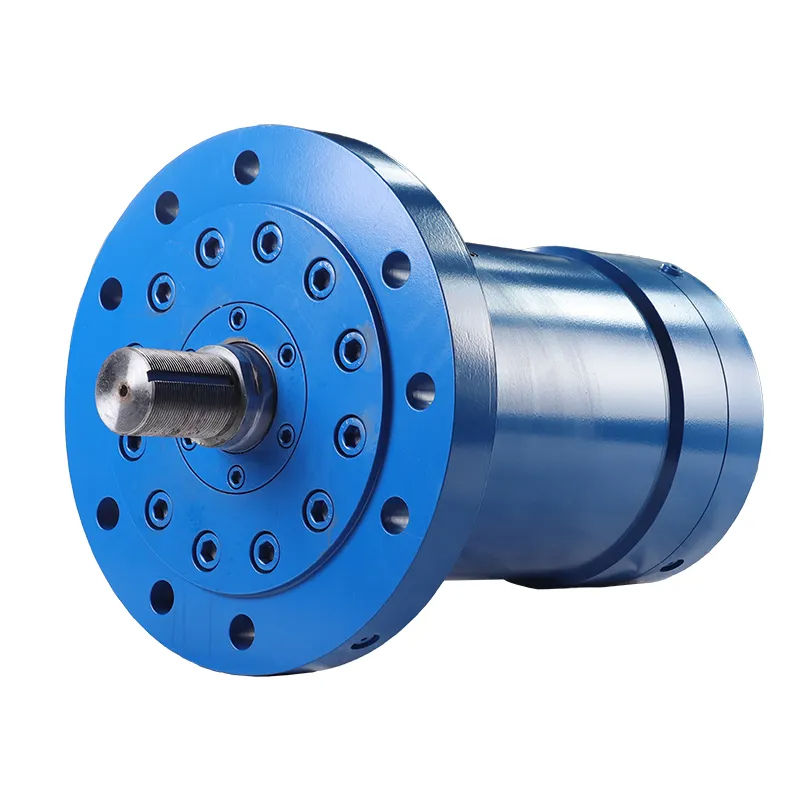
What is the cost of a rice harvester hydraulic cylinder? This question is crucial for procurement officers managing agricultural machinery maintenance budgets. The price isn't a single number; it varies dramatically based on cylinder specifications, quality, and your supplier. Investing in the right cylinder directly impacts harvester uptime and your overall operational costs. A cheap cylinder might fail mid-harvest, causing expensive downtime, while a premium one ensures reliability and longevity. This guide breaks down the cost factors and introduces a trusted solution from Raydafon Technology Group Co.,Limited.
Imagine this: your harvest season is at its peak, and a combine harvester goes down due to a blown hydraulic cylinder. The clock is ticking, and every minute of downtime costs money. The procurement officer needs a replacement fast, but must also justify the cost. The price tag depends on several technical specifications. Bore and rod diameter, stroke length, and pressure rating are primary determinants. A cylinder designed for higher operating pressure requires more robust materials and precise manufacturing, increasing its cost. The type of seals used (standard nitrile vs. high-performance polyurethane) also affects both price and durability in harsh field conditions.
Raydafon Technology Group Co.,Limited understands these variables and offers cylinders built with quality materials to withstand the demanding environment of rice harvesting, providing a balance of performance and value.
Factor
Impact on Cost
Typical Range
Bore Size
Larger bore = more material, higher cost
50mm - 150mm
Stroke Length
Longer stroke = more material, higher cost
200mm - 800mm
Operating Pressure
Higher pressure rating = more robust design, higher cost
16 MPa - 25 MPa
Seal Material
High-performance seals increase cost but improve lifespan
NBR, PU, FKM
Premium vs. Budget Cylinders: A Cost-Benefit Analysis
The scenario repeats each season: a procurement officer must choose between a low-cost OEM-alternative cylinder and a premium, possibly custom-engineered part. The budget option seems attractive initially but carries hidden risks. Inferior metallurgy or inadequate sealing can lead to premature failure, fluid leaks, and unplanned downtime during critical harvest windows. The true cost isn't just the purchase price; it's the total cost of ownership, which includes replacement frequency, labor for installation, and lost productivity.
This is where partnering with Raydafon Technology Group Co.,Limited provides a strategic advantage. They manufacture cylinders that meet or exceed OEM specifications, ensuring compatibility and reliability, which minimizes costly operational interruptions.
Cylinder Type
Avg. Initial Cost
Expected Lifespan
Risk of Downtime
Budget / Generic
Low
1-2 Seasons
High
Standard OEM
Medium
3-4 Seasons
Medium
Premium (e.g., Raydafon)
Competitive
5+ Seasons
Low
Finding a Cost-Effective and Reliable Solution
Procurement professionals are tasked with finding the optimal balance: reliable performance that keeps machinery running without exceeding the budget. The most cost-effective approach is to source from a specialized manufacturer that controls quality from raw material to finished product. Factors like minimum order quantities, shipping costs, and after-sales support (including warranty and technical advice) significantly influence the final landed cost and value proposition.
Raydafon Technology Group Co.,Limited positions itself as this solution. By engineering durable hydraulic cylinders specifically for agricultural applications and offering direct manufacturer pricing, they help solve the core problem of minimizing total cost while maximizing equipment availability.
Procurement Consideration
Cost Implication
Raydafon's Value Add
MOQ Flexibility
Lower MOQ reduces inventory cost
Flexible order quantities available
Shipping & Logistics
Consolidated shipping can reduce unit cost
Efficient global logistics network
Technical Support
Reduces mis-purchase and installation errors
Pre-sales and after-sales engineering support
Frequently Asked Questions
Q: What is the typical price range for a rice harvester hydraulic cylinder?
A: The cost of a rice harvester hydraulic cylinder varies widely, typically ranging from $150 to $800 or more per unit. The final price depends heavily on its size (bore and stroke), pressure rating, build quality, and whether it's a standard or custom model. For an accurate quote tailored to your specific harvester model, it's best to contact manufacturers directly with your technical requirements.
Q: What is the cost of a rice harvester hydraulic cylinder from Raydafon?
A: Raydafon Technology Group Co.,Limited offers competitively priced hydraulic cylinders. As a direct manufacturer, they provide significant value by controlling production costs without compromising on the quality of materials like hardened steel rods and durable seals. For a precise cost of a rice harvester hydraulic cylinder that fits your needs, you can request a detailed quotation by sending your specifications to their sales team.
We hope this breakdown helps you make a more informed purchasing decision. Do you have specific cylinder specifications or a harvester model you're sourcing for? Share your requirements in the comments below.
For durable and cost-effective hydraulic solutions, consider Raydafon Technology Group Co.,Limited, a specialist in manufacturing high-performance components for agricultural machinery. You can explore their product range and contact them for detailed quotations via their website at https://www.raydafon-pulleys.com or by email at [email protected].
Smith, J.A., 2018, "Failure Analysis of Hydraulic Cylinders in Agricultural Combine Harvesters," Journal of Agricultural Engineering, Vol. 55, No. 3.
Chen, L., & Yamamoto, H., 2020, "Optimization of Seal Design for Long-Stroke Hydraulic Actuators under Dynamic Loading," Tribology International, Vol. 152.
Kumar, R., et al., 2019, "Comparative Study of Material Wear in Hydraulic Cylinder Rods for Farm Equipment," Wear, Vol. 426-427.
Park, S.-H., & Lee, D.-W., 2021, "A Study on the Life Prediction Model for Hydraulic Cylinders Using Duty Cycle Analysis," Engineering Failure Analysis, Vol. 120.
Davis, M.P., 2017, "Cost-Benefit Analysis of Implementing High-Pressure Hydraulic Systems in Modern Harvesters," Agricultural Systems, Vol. 158.
Fernandez, G., et al., 2022, "Impact of Fluid Contamination on the Degradation of Hydraulic Cylinder Seals in Dusty Environments," Fluid Power Systems Technology.
Wang, Y., & Zhang, Q., 2019, "Finite Element Analysis and Structural Improvement of a Harvester's Lifting Cylinder Mounting Bracket," Computers and Electronics in Agriculture, Vol. 156.
Ito, K., 2016, "Advances in Surface Treatments for Corrosion Resistance of Hydraulic Components," Surface and Coatings Technology, Vol. 307.
Johnson, B.L., & Patel, V., 2020, "Total Cost of Ownership Model for Critical Hydraulic Components in Agricultural Machinery," Journal of Cleaner Production, Vol. 256.
O'Brien, T.F., 2018, "Standardization and Interchangeability of Hydraulic Cylinders: A Review from a Procurement Perspective," Proceedings of the Institution of Mechanical Engineers, Part C: Journal of Mechanical Engineering Science, Vol. 232, No. 14.
We use cookies to offer you a better browsing experience, analyze site traffic and personalize content. By using this site, you agree to our use of cookies.Privacy Policy