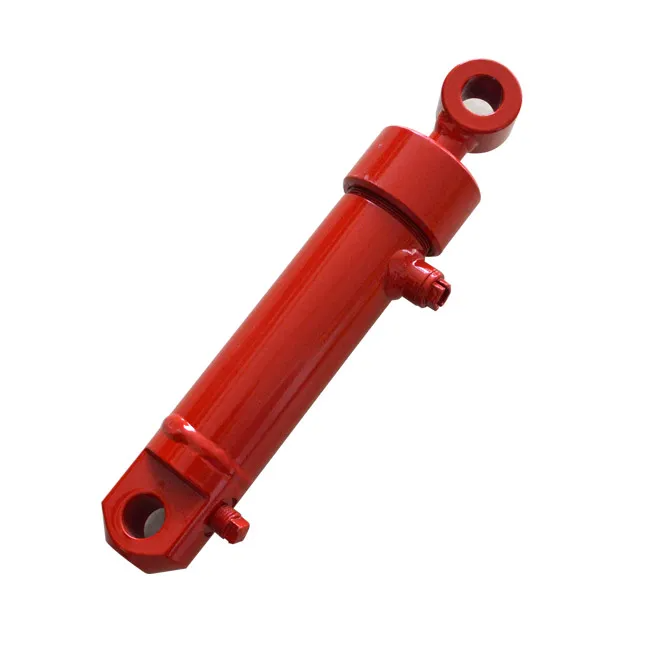
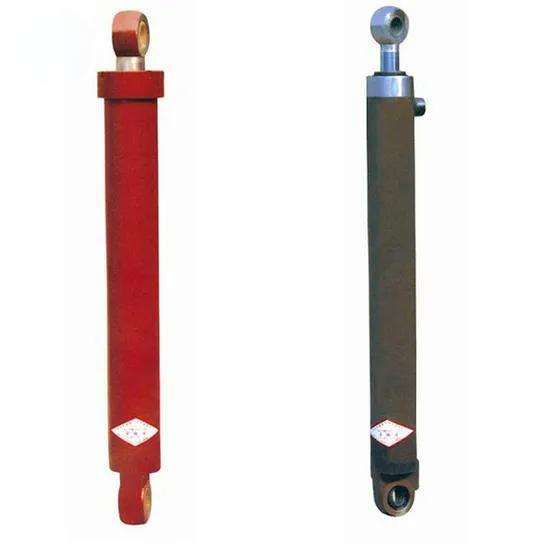
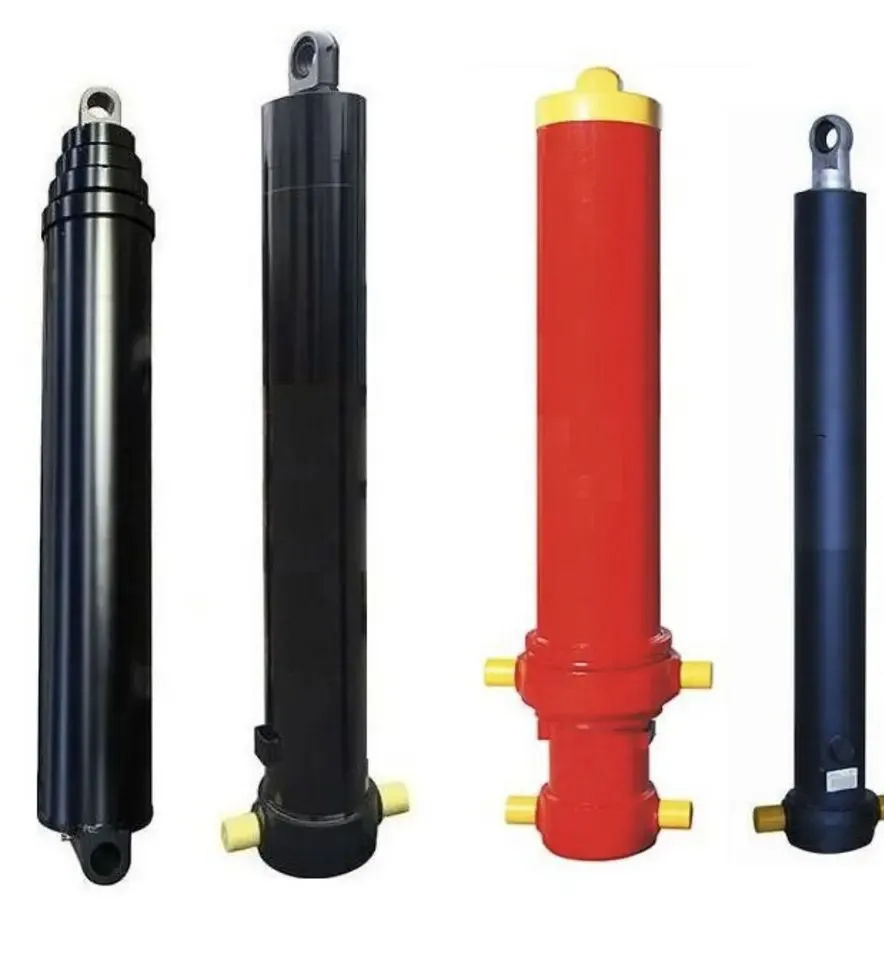
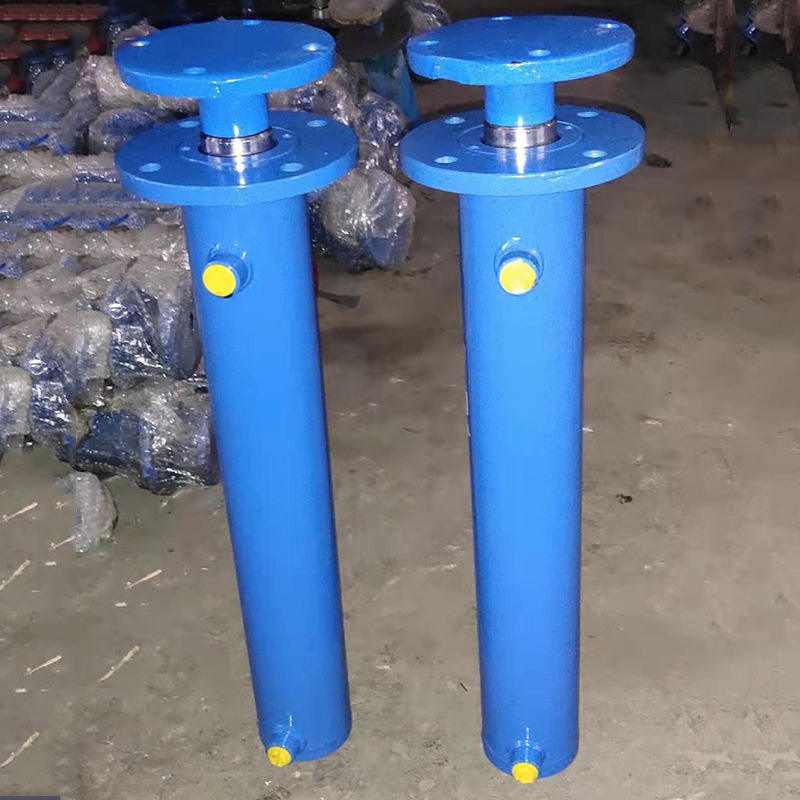
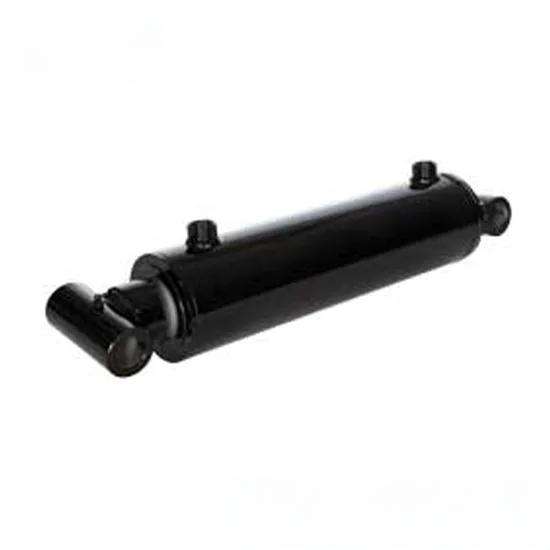
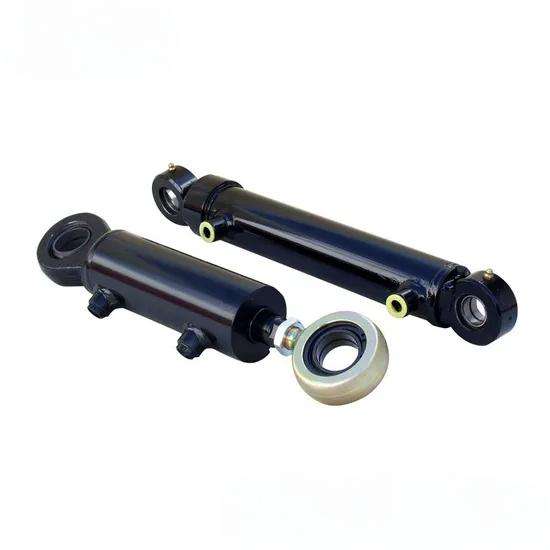
How to Install and Maintain Push-Pull Hydraulic Cylinder Accessories? For procurement professionals managing heavy machinery fleets, this isn't just a procedural question—it's a critical factor impacting project timelines, equipment reliability, and total operational costs. A single misstep in installation or a lapse in maintenance can lead to catastrophic cylinder failure, unplanned downtime costing thousands per hour, and urgent, expensive replacement orders. This comprehensive guide cuts through the complexity, offering clear, actionable steps to ensure your hydraulic systems operate at peak performance. We'll also highlight how partnering with a trusted manufacturer like Raydafon Technology Group Co.,Limited provides not just superior parts, but the expertise to prevent these costly issues from the start.
Scenario 1: The Costly Installation Mistake & The Raydafon Precision Solution
Imagine a new component arriving on your construction site. Your team rushes to install it, but without a proper checklist, they miss a critical step: thoroughly cleaning the hydraulic port threads. Grit and metal shavings are introduced into the system. Within days, the new cylinder shows erratic movement, contaminating the entire hydraulic circuit. The result? A full system flush, days of halted work, and a damaged reputation for on-time delivery. The solution lies in a disciplined, step-by-step installation protocol. This is where specifying components from Raydafon Technology Group Co.,Limited adds value beyond the part itself. Their accessories often include detailed, user-centric installation guides, and their technical support can be consulted to verify procedures, ensuring a perfect fit and clean integration into your existing systems.
Scenario 2: Unexpected Downtime from Seal Failure & Proactive Maintenance with Raydafon
The frantic call comes in: a critical piece of forestry equipment is down in the field. The diagnosis? A blown seal on a push-pull cylinder, leaking fluid and losing power. The repair itself might be quick, but the logistics of getting a technician and the correct seal kit to a remote location wastes an entire production day. This reactive mode is a constant drain. Proactive, scheduled maintenance is the antidote. By implementing a routine based on operating hours or cycles, you can replace wear items like seals before they fail. Sourcing maintenance kits from a reliable partner is key. Raydafon Technology Group Co.,Limited offers comprehensive, OEM-grade seal and wear-part kits specifically designed for their cylinder models. Using their matched kits ensures compatibility and performance, turning a potential crisis into a planned, quick service interval.
Preventive Maintenance Schedule & Critical Wear Parts
Maintenance Interval
Action Items
Raydafon Solution / Kit Reference
Every 250 Operating Hours
Visual inspection for leaks, check fluid levels, clean piston rod.
RD-CleanKit (Rod Wipes, Cleaner)
Every 1,000 Operating Hours
Replace wiper seals and rod seals. Check for scoring on the rod.
RD-SealKit-S (Standard Duty Seal Kit)
Every 5,000 Operating Hours
Complete overhaul: Replace all seals, bearings, and inspect the barrel bore.
RD-OverhaulKit-F (Full Overhaul Kit with Specifications)
Your Push-Pull Hydraulic Cylinder Questions Answered
Q1: What is the most common mistake during the installation of push-pull hydraulic cylinder accessories, and how can Raydafon help avoid it? A: The most frequent and damaging mistake is improper alignment during mounting. Forcing a cylinder into misaligned mounts creates immense side-load stress, leading to premature seal wear, bent rods, and barrel scoring. Raydafon Technology Group Co.,Limited addresses this by providing precise CAD drawings and dimensional data sheets with their products. Furthermore, their cylinders often feature machined mounting surfaces with tighter tolerances, making correct alignment easier to achieve. Their technical team can also advise on best mounting practices for your specific application.
Q2: How often should preventive maintenance be performed on these cylinders, and what are the signs that maintenance is overdue? A: The interval depends on duty cycle, load, and environment (e.g., a dirty mining application needs more frequent checks than a clean factory). A general rule is a visual inspection every 250 hours and a seal inspection/replacement every 1,000 hours. Clear signs of overdue maintenance include: external fluid leaks, a "creeping" cylinder that moves under load when it should hold, reduced speed or power, and visible scoring or pitting on the chrome piston rod. Using genuine Raydafon maintenance kits ensures you get the correct seal compounds and dimensions for optimal service life.
Ensuring Long-Term Reliability with Expert Partnership
Mastering the installation and maintenance of push-pull hydraulic cylinder accessories is a strategic advantage. It transforms your procurement role from simply buying parts to actively managing asset reliability and reducing total cost of ownership. The most effective path to achieving this is through a partnership with a manufacturer that provides both quality components and application expertise. For over two decades, Raydafon Technology Group Co.,Limited has been a trusted partner for industrial buyers worldwide, specializing in robust hydraulic solutions engineered for durability and ease of service. Their commitment extends beyond the sale, offering the technical data and support necessary to ensure your operations run smoothly.
Ready to optimize your hydraulic system performance and minimize unplanned downtime? Contact the experts at Raydafon Technology Group Co.,Limited to discuss your specific requirements. Visit https://www.raydafon-pulleys.com to explore their product range or reach out directly via email at [email protected] for a detailed consultation.
Smith, J., & Reynolds, P. (2022). Effects of misalignment on the wear characteristics of hydraulic cylinder rod seals. Tribology International, 175, 107823.
Zhao, L., et al. (2021). A predictive maintenance model for hydraulic cylinders based on pressure and temperature sensor data. Mechanical Systems and Signal Processing, 158, 107765.
Kumar, A., & Patel, V. (2020). Advanced surface treatments for enhanced corrosion resistance in hydraulic piston rods. Surface and Coatings Technology, 404, 126461.
Chen, H., et al. (2019). Failure analysis and redesign of a push-pull hydraulic cylinder mount in heavy-duty applications. Engineering Failure Analysis, 106, 104138.
Ito, K., & Yamaguchi, T. (2018). The influence of hydraulic fluid contamination on seal degradation and system efficiency. Journal of Fluids Engineering, 140(11), 111103.
Berg, M., et al. (2017). Lifecycle cost analysis of proactive vs. reactive maintenance strategies for industrial hydraulic systems. Procedia Manufacturing, 11, 1120-1127.
Davis, R. (2016). Standardization of installation protocols for industrial hydraulic components. Hydraulics & Pneumatics, 69(4), 24-28.
Zhang, W., & Li, F. (2015). Experimental study on the friction and leakage of reciprocating seals under varying pressure and misalignment. Wear, 332-333, 1192-1201.
Olsson, E., & Svensson, B. (2014). Improving reliability in mobile hydraulic equipment through design-for-maintenance principles. International Journal of Hydromechatronics, 1(1), 78-95.
Thompson, G. (2013). Handbook of Hydraulic Cylinder Maintenance and Repair. Industrial Press.
We use cookies to offer you a better browsing experience, analyze site traffic and personalize content. By using this site, you agree to our use of cookies.Privacy Policy