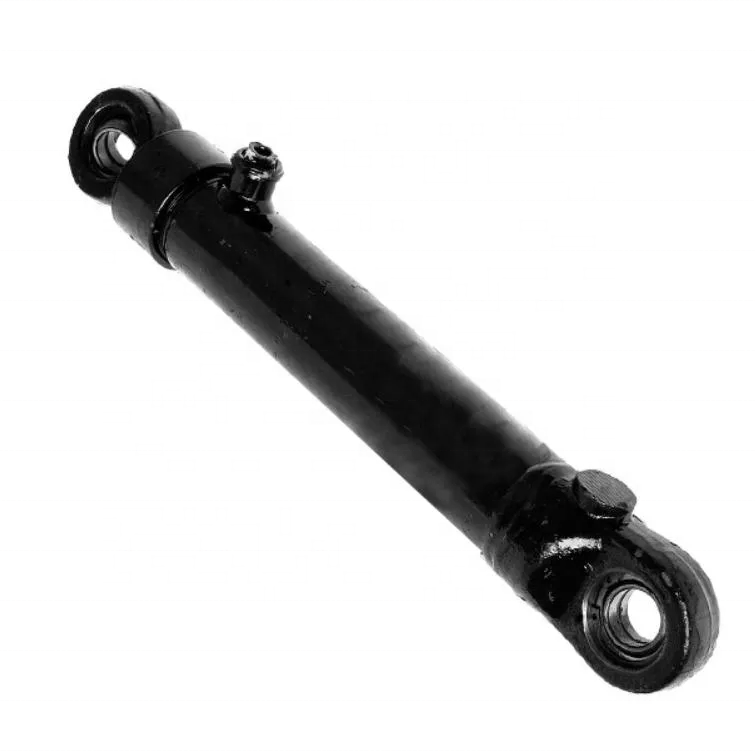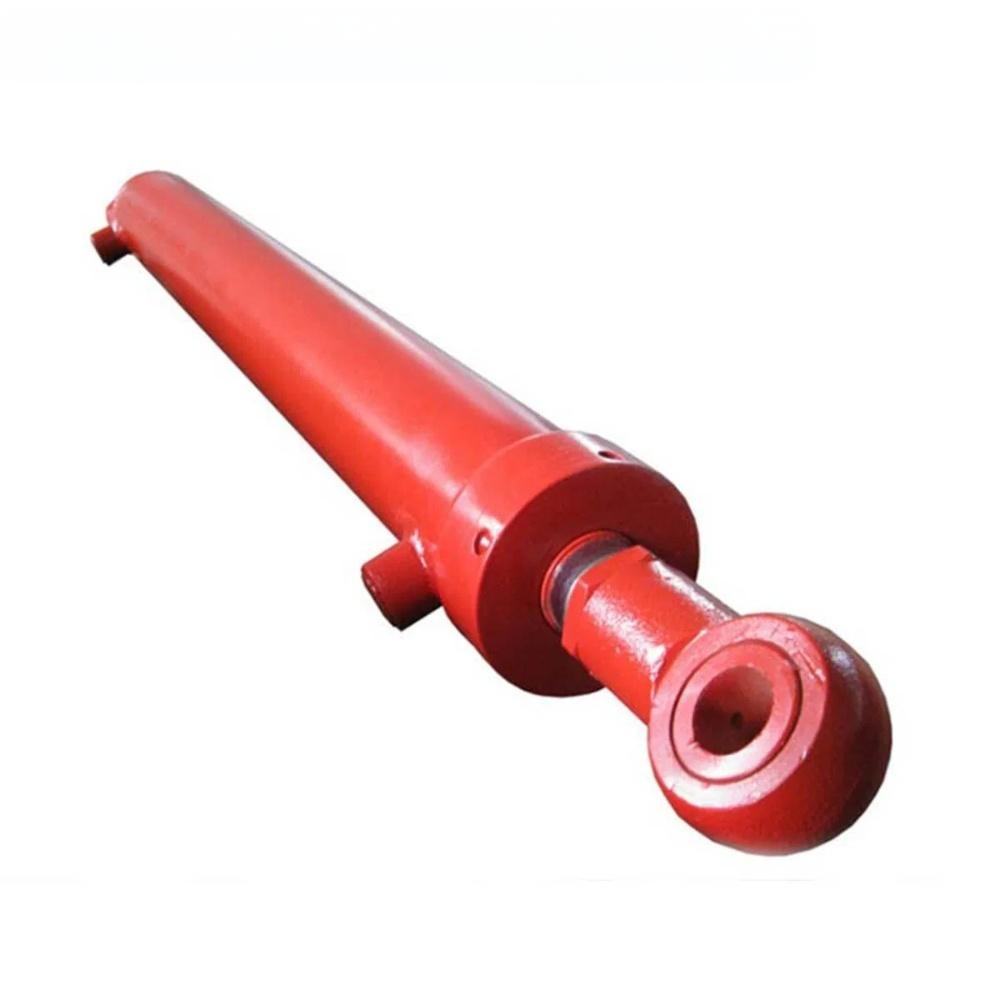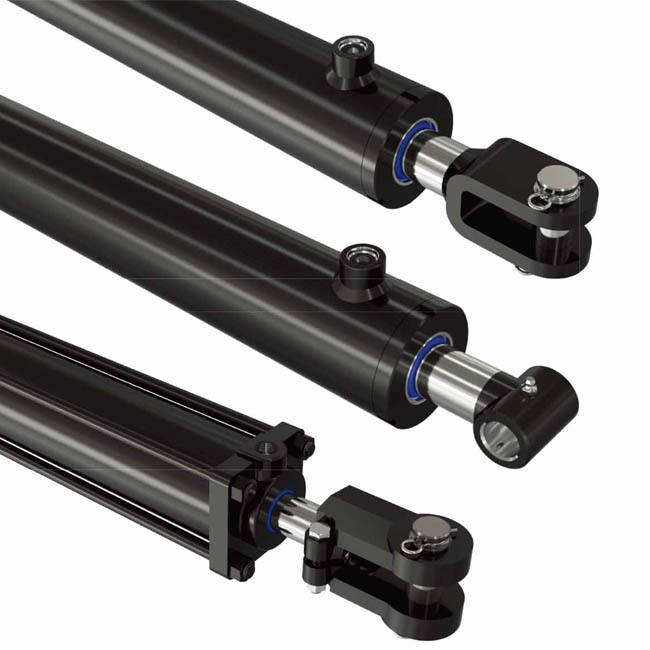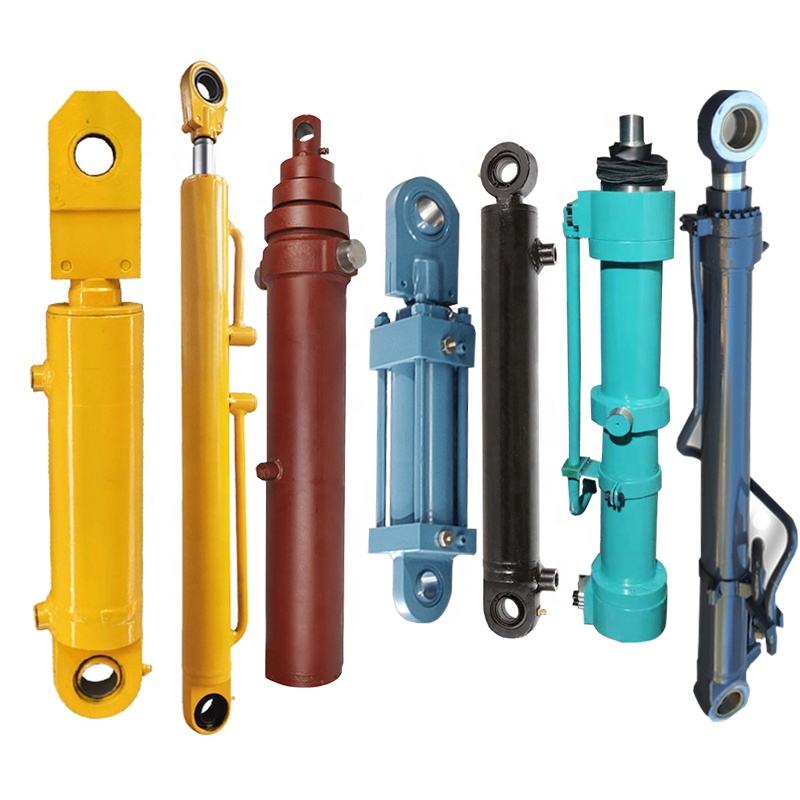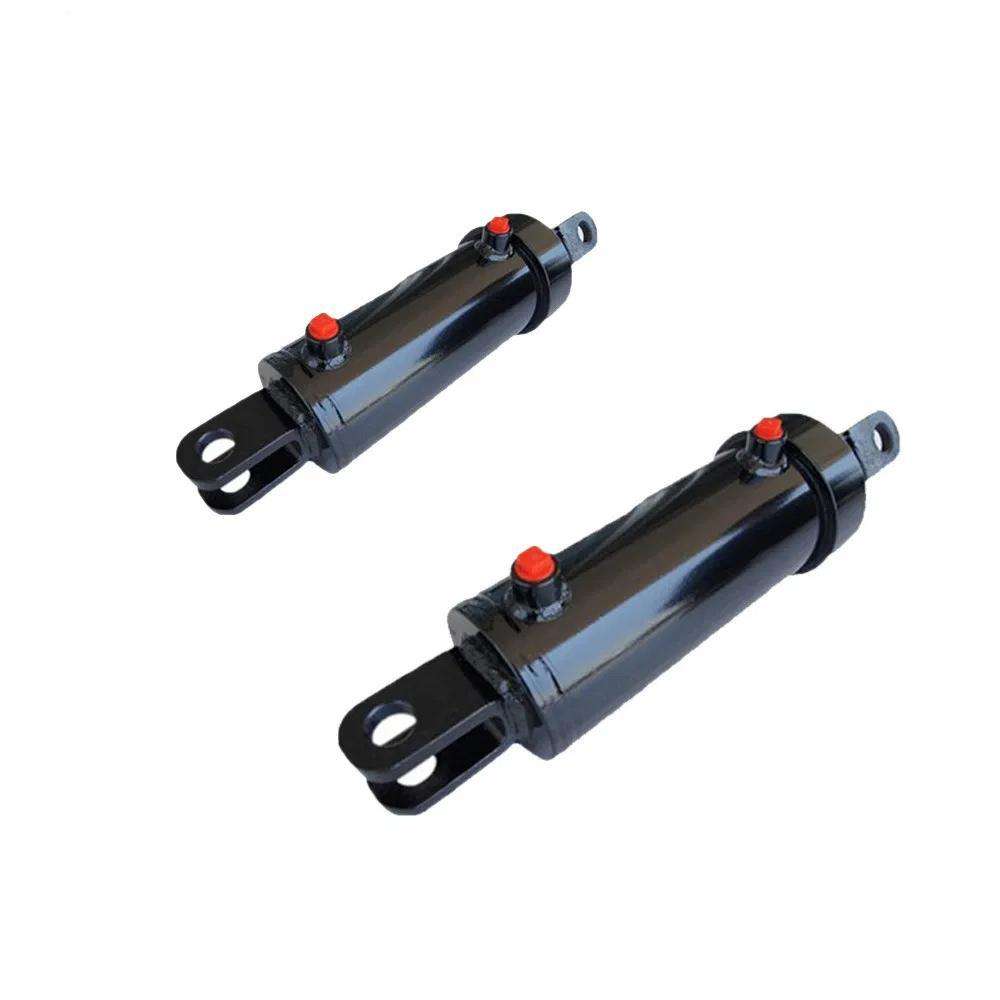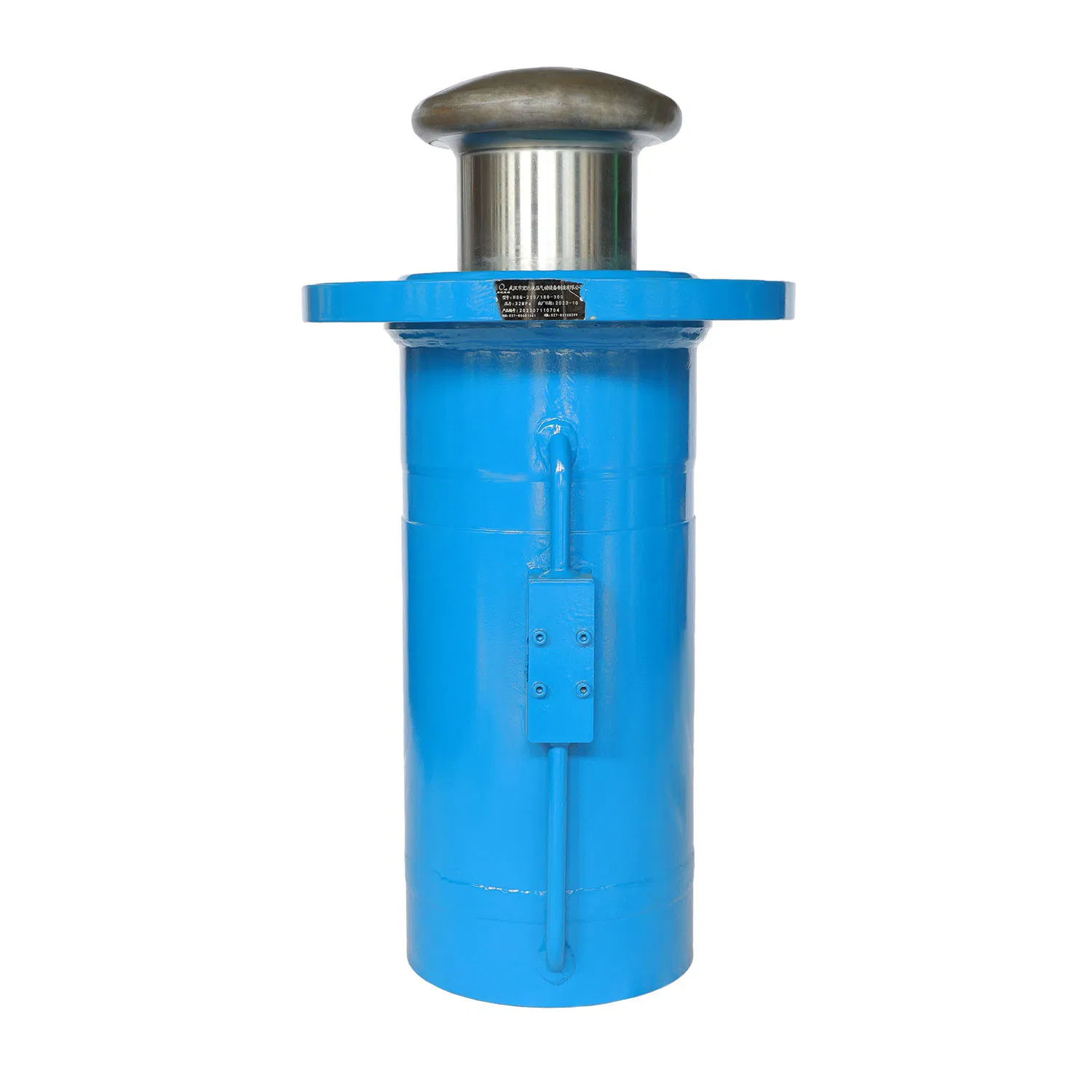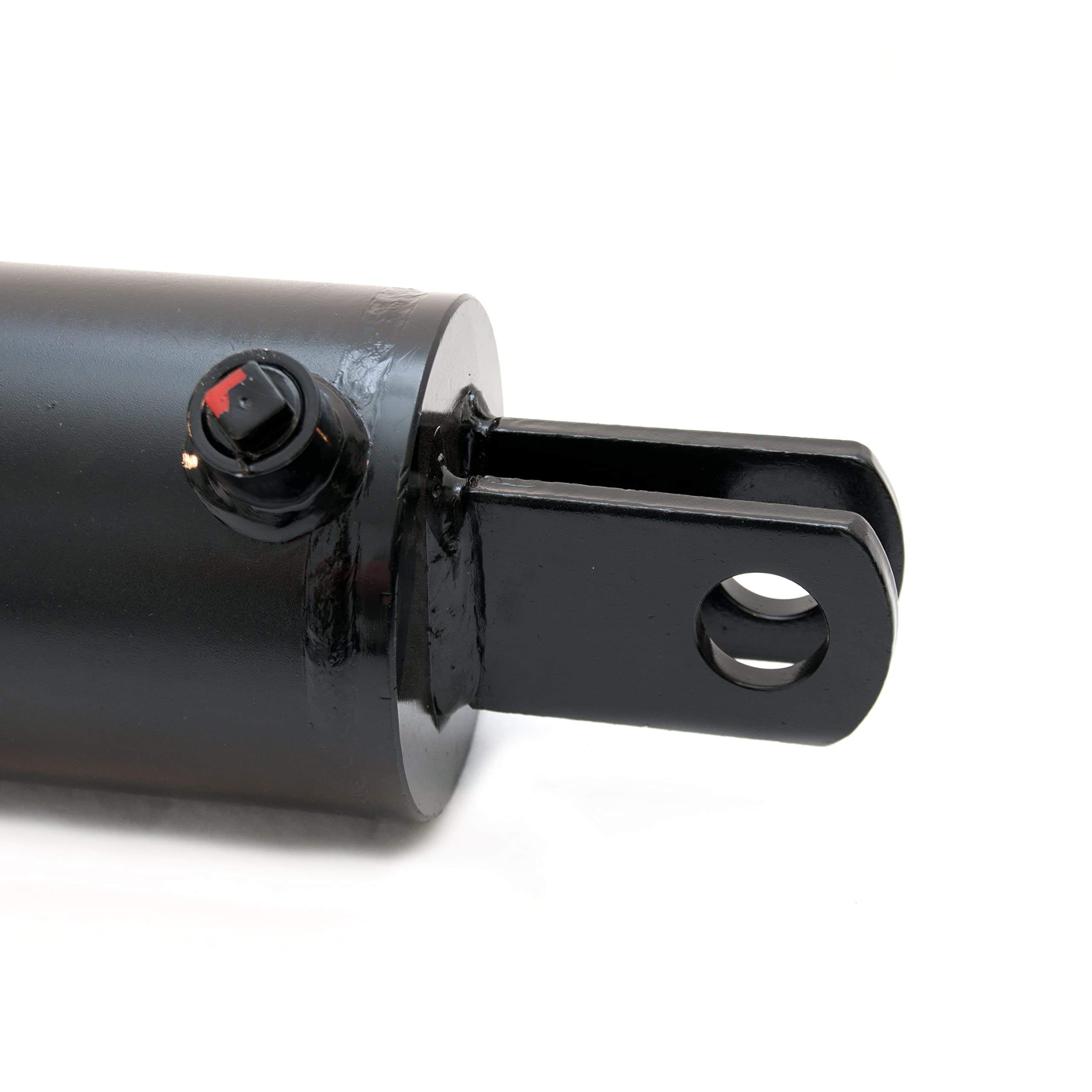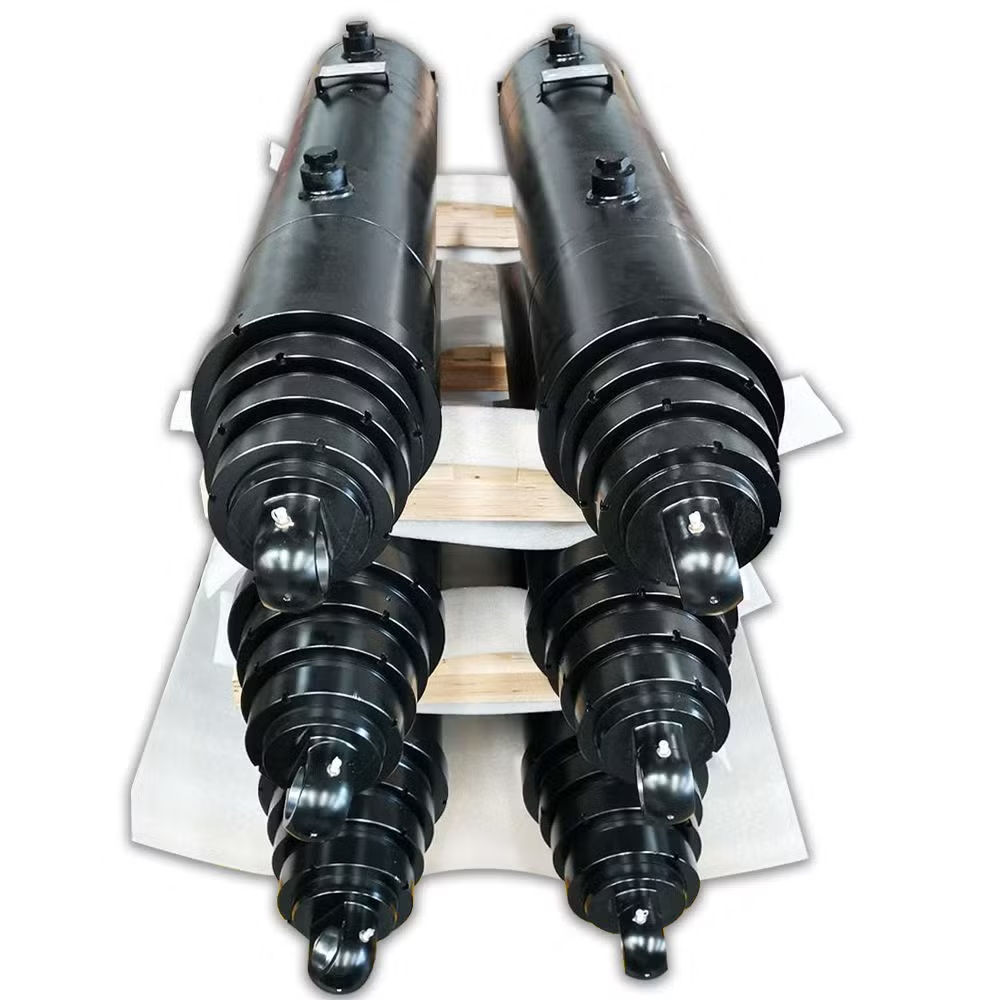


How does the hydraulic cylinder cushioning system work? It's a question every procurement professional faces when specifying components that demand reliability, safety, and long-term cost-effectiveness. Imagine a high-speed automated press or a massive construction excavator—without proper cushioning, the violent impact at the end of each piston stroke would send shockwaves through the entire machine, leading to premature failure, excessive noise, and dangerous operational instability. This isn't just about protecting a single cylinder; it's about safeguarding your entire production line or heavy equipment investment from catastrophic downtime. Understanding this system's function is the first critical step in making an informed purchase. At its core, hydraulic cylinder cushioning is a precision-engineered deceleration mechanism that gently slows the piston before it reaches the end cap, transforming potentially destructive kinetic energy into controlled thermal energy. For procurement specialists seeking robust solutions, Raydafon Technology Group Co.,Limited offers engineered cushioning systems designed to directly address these operational challenges, ensuring your sourced components deliver peak performance and longevity.
Article Outline
- The Hidden Cost of Unchecked Impact & The Cushioning Solution
- Anatomy of a Cushion: How It Works Step-by-Step
- Key Parameters for Procurement: A Specification Checklist
- Frequently Asked Questions (FAQ)
The Hidden Cost of Unchecked Impact & The Cushioning Solution
You've approved a hydraulic cylinder order for a new packaging line. Weeks after installation, reports come in: loud banging noises at cycle end, mounting brackets cracking, and seals failing far too early. The root cause? Lack of effective cushioning. The piston slams into the end cap with each cycle, creating hydraulic shock peaks that stress every connected component. This scenario leads to unplanned maintenance, part replacement costs, and lost production time—a procurement nightmare. The solution is integrating a properly specified cushioning system. It acts as an internal shock absorber. As the piston enters the cushioning sleeve near the end of its stroke, it restricts the oil flow out of the cylinder chamber. This restriction creates a backpressure, building a hydraulic "pillow" that decelerates the piston smoothly and quietly. Partnering with a specialist like Raydafon Technology Group Co.,Limited ensures access to cylinders with optimally tuned cushioning, directly mitigating these failure risks and protecting your operational budget from hidden costs.
| Problem Scenario | Consequence | Raydafon Cushioning Benefit |
|---|---|---|
| Metal-on-metal impact at stroke end | Noise pollution, end cap/piston damage | Quiet operation, extended component life |
| Hydraulic shock spikes in the system | Seal failure, hose damage, valve instability | Smooth pressure decay, system protection |
| Vibration transmitted to machine frame | Bolt loosening, structural fatigue, misalignment | Stable operation, reduced mechanical stress |
Anatomy of a Cushion: How It Works Step-by-Step
Let's dissect the cushioning process to understand what you're actually procuring. A typical cushion consists of a specially shaped plunger (on the piston) and a matching sleeve (in the end cap). As the cylinder extends normally, oil flows freely through the main ports. In the final stage of extension, the plunger enters the tapered or stepped sleeve. This progressively reduces the annular flow area for the oil trying to exit the cap-end chamber. How does the hydraulic cylinder cushioning system work? Precisely through this controlled restriction. The trapped oil must now pass through a much smaller orifice, generating increased counter-pressure. This pressurized oil column acts as a braking fluid, converting the piston's kinetic energy into heat, which is then dissipated through the cylinder and hydraulic oil. The deceleration profile—how quickly it slows—is meticulously engineered by the taper design and orifice size. Raydafon's expertise lies in calculating and manufacturing this profile to match specific load and speed conditions, ensuring a soft, repeatable stop without compromising cycle time.
| Component | Function | Procurement Checkpoint |
|---|---|---|
| Cushion Sleeve / Bush | Creates the variable flow restriction; often hardened for wear resistance. | Material grade (e.g., hardened steel), surface finish, precise taper geometry. |
| Cushion Plunger / Spear | Enters the sleeve to initiate deceleration; must be robust and aligned. | Integral vs. separate design, alignment features, durability. |
| Adjusting Screw / Needle Valve | Allows fine-tuning of the final orifice size for optimal deceleration. | Accessibility for adjustment, locking mechanism to prevent drift. |
Key Parameters for Procurement: A Specification Checklist
When evaluating cylinder suppliers, technical specifications for cushioning are non-negotiable. Vague promises lead to field failures. You need concrete data to compare options and ensure the cylinder will perform in your application. The most critical parameter is the cushioning capacity, usually expressed as the maximum kinetic energy (in Joules or in-lbs) the system can effectively absorb. This is a function of moving mass and piston velocity at cushion engagement. Secondly, the cushioning length—the distance over which deceleration occurs—impacts the peak deceleration force; longer cushions provide gentler stops. Third, verify the adjustability range of the orifice. A supplier like Raydafon Technology Group Co.,Limited provides clear charts and calculation support to help you match these specs to your machine's needs, turning a complex engineering requirement into a straightforward procurement decision.
| Parameter | Description | Why It Matters for Procurement |
|---|---|---|
| Cushioning Capacity (Energy Absorption) | Max kinetic energy dissipated during deceleration. | Ensures the cushion can handle your specific load & speed. Undersizing causes bottoming out. |
| Cushioning Length | Travel distance of piston within the cushion sleeve. | Determines stopping smoothness. Short length = high G-force, potential shock. |
| Adjustment Range | How much the final orifice size can be fine-tuned. | Allows field optimization for varying conditions or after wear. |
| Peak Cushioning Pressure | Maximum pressure generated in the cushioning chamber. | Must be within cylinder's pressure rating. Critical for safety and seal life. |
Advanced Considerations for System Integration
For advanced applications, standard cushioning may not suffice. Consider high-speed automation or applications with variable loads. Here, the engagement velocity must be consistent for repeatable cushioning performance. Inconsistent engagement due to system lag or valve response can cause harsh stops. Solutions include pilot-operated check valves for faster response or even external hydraulic deceleration units for extreme energy levels. Another key consideration is cushioning on both ends (extension and retraction), especially for cylinders subject to high inertial forces in both directions. When discussing with suppliers, inquire about their experience with custom cushion profiles. Raydafon's engineering team frequently collaborates with clients to design bespoke cushioning solutions—like multi-stage tapers or specialized materials—that integrate seamlessly into complex machinery, ensuring the cylinder acts as a reliable, high-performance system component rather than a point of failure.
| Advanced Scenario | Integration Challenge | Engineered Solution |
|---|---|---|
| Very High Cycle Rates (>100 CPM) | Standard cushions may overheat; oil aeration can reduce effectiveness. | Optimized flow paths, dedicated cooling analysis, high-grade seal compounds. |
| Extremely Heavy, Overhung Loads | Piston rod deflection can misalign cushion plunger, causing wear and inconsistent performance. | Reinforced rod guidance, oversized bearings, and alignment-tolerant cushion designs. |
| Precision Mid-Stroke Positioning | Cushioning effect must not interfere with accurate stopping at non-end positions. | Careful sizing so cushion engagement only occurs in the final defined segment of travel. |
Frequently Asked Questions (FAQ)
Q1: How does the hydraulic cylinder cushioning system work when the cylinder needs to retract quickly after cushioning?
A: This is a critical design point. After the piston comes to a cushioned stop at full extension, oil is trapped in the cap-end chamber by the closed cushion orifice. To retract, this oil must be released. A common solution is an integral check valve bypass. A small, spring-loaded check valve (often built into the piston or end cap) is forced open by the pressure difference when the retract port is energized, allowing oil to bypass the cushion orifice and enabling fast, unrestricted retraction. Raydafon cylinders incorporate reliably engineered check valves to ensure smooth direction changes.
Q2: How does the hydraulic cylinder cushioning system work differently in a telescopic cylinder versus a single-stage cylinder?
A: The principle is identical, but the implementation is more complex. In a multi-stage telescopic cylinder, each stage must have its own cushioning mechanism, typically at the point where one stage stops and transfers force to the next. The timing and synchronization of these multiple cushions are crucial to prevent "staging shock." It requires precise mechanical design to ensure each cushion plunger engages its sleeve at the correct moment. Procuring telescopic cylinders from experts like Raydafon ensures that this multi-stage cushioning is harmonized for a smooth overall extension and retraction cycle.
Selecting the right hydraulic cylinder cushioning is a technical decision with direct bottom-line impact. We hope this guide empowers your procurement process. Have a specific application challenge or need help specifying cushioning parameters? Our engineering team is ready to assist.
For robust hydraulic solutions engineered for longevity and performance, consider Raydafon Technology Group Co.,Limited. With a focus on precision manufacturing and application-specific design, Raydafon provides reliable hydraulic cylinders and cushioning systems that solve real-world operational problems. Learn more about our capabilities and product range at https://www.raydafon-pulleys.com. For direct inquiries and quotations, please contact our sales team at [email protected].
Supporting Research & Literature
Manring, N.D. (2005). Hydraulic Control Systems. John Wiley & Sons. (Chapter on actuator dynamics and cushioning).
Ivantysyn, J., & Ivantysynova, M. (2003). Hydrostatic Pumps and Motors: Principles, Design, Performance, Modelling, Analysis, Control and Testing. Akademia Books International.
Merritt, H.E. (1967). Hydraulic Control Systems. John Wiley & Sons. (Foundational text including shock analysis).
Lambeck, R.P. (1983). Hydraulic Pumps and Motors: Selection and Application for Hydraulic Power Control Systems. Marcel Dekker.
Mäki, R., & Vilenius, M. (2005). On the dynamic analysis of a hydraulic cylinder cushioning mechanism. The 6th JFPS International Symposium on Fluid Power, Tsukuba, Japan.
Rahmfeld, R., & Ivantysynova, M. (1998). Displacement Controlled Linear Actuator with Differential Cylinder – A Way to Save Energy in Mobile Machines. 5th International Conference on Fluid Power Transmission and Control, Hangzhou, China.
Weddfelt, K., & Palmberg, J.O. (1991). Methods to Reduce Pressure Peak Effects in Fluid Power Systems – A Study of Check Valve Characteristics. Bath Workshop on Power Transmission and Motion Control, Bath, UK.
Harrison, A.M., & Edge, K.A. (2000). The reduction of noise in hydraulic systems by the control of pressure transients. Proceedings of the Institution of Mechanical Engineers, Part I: Journal of Systems and Control Engineering, 214(1), 17-26.
Kogler, H., & Scheidl, R. (2010). The potential of digital hydraulics in cylinder drives. The 8th International Fluid Power Conference, Dresden, Germany.
Pan, M., et al. (2017). A Novel Design of Hydraulic Cylinder Cushion for Heavy-Duty Applications. Journal of Mechanical Engineering, 63(7-8), 473-482.