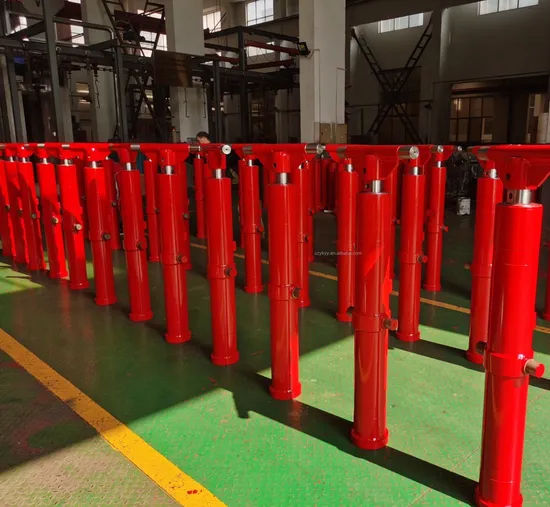
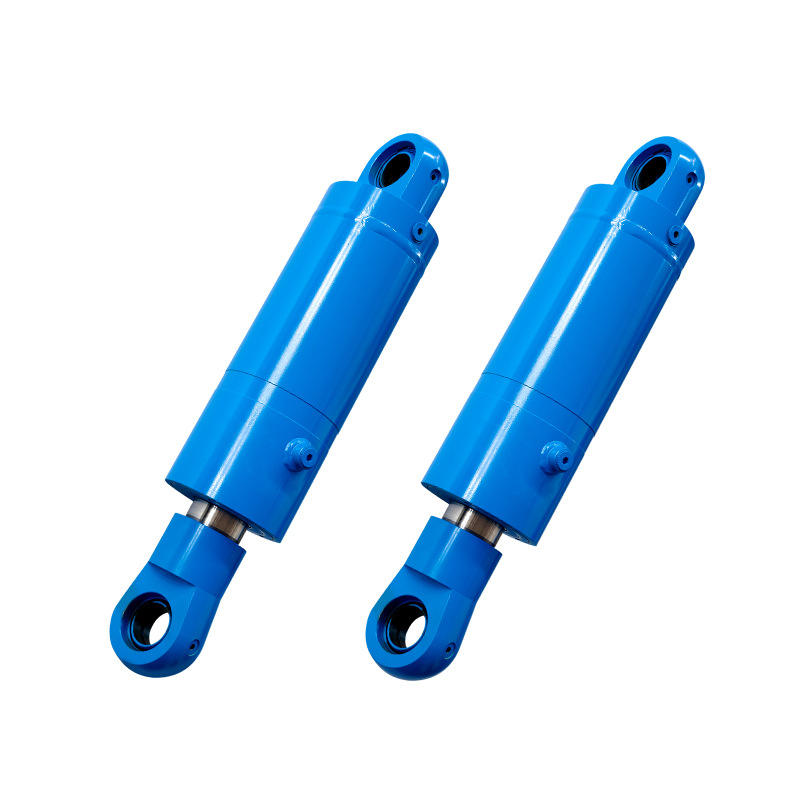
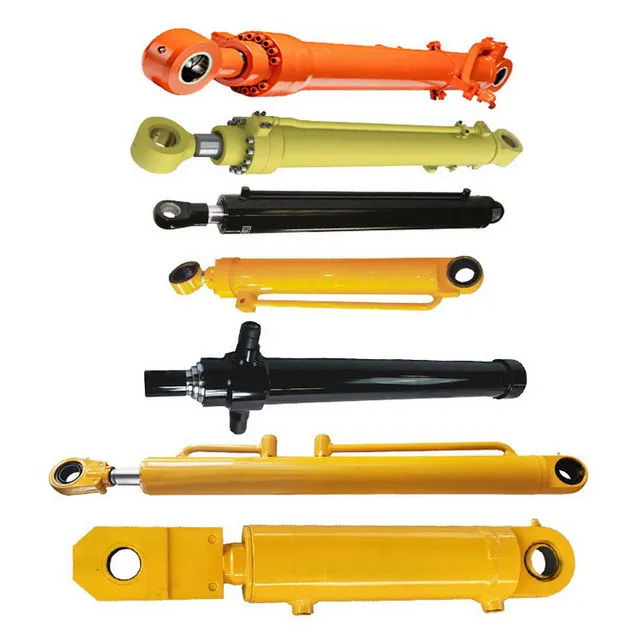
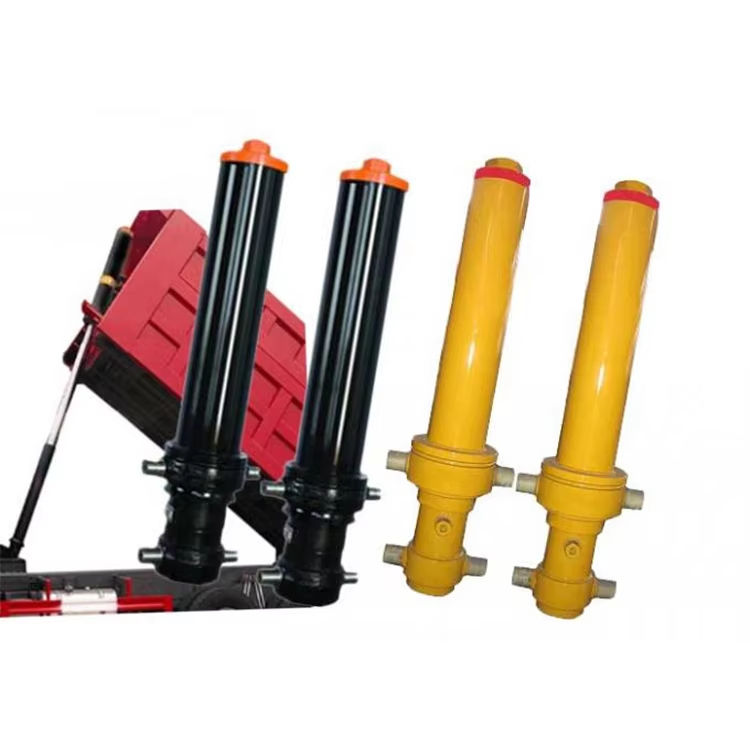
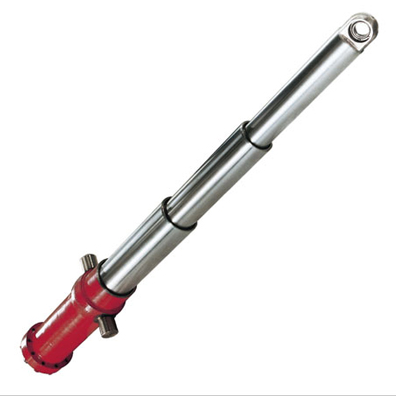
How Does Cylinder Design Affect Telescopic Crane Performance? This question is at the heart of every reliable and efficient lifting operation. The telescopic cylinder is the powerhouse, silently translating hydraulic force into controlled, powerful extension. Its design dictates not just raw power, but also the precision, stability, and durability of the entire crane. A poorly designed cylinder can lead to jerky movements, premature wear, and catastrophic failures, while a superior design ensures smooth operation, longer service life, and maximum safety. For procurement professionals sourcing critical components, understanding these nuances is key to making an informed decision that affects project timelines and bottom lines. This article breaks down the complex relationship between cylinder engineering and crane performance into clear, actionable insights.
The Stability Struggle: How Cylinder Design Prevents Dangerous Sway
Imagine a high-stakes lift on a construction site. The load is heavy, the reach is long, and even a slight breeze is a concern. The operator extends the boom, but instead of a steady, controlled motion, the tip begins to sway. This instability isn't just nerve-wracking—it's a direct threat to safety and precision. The root cause often lies in the telescopic cylinder's design. Inadequate rod guidance, poor internal bearing surfaces, or insufficient pressure compensation in the hydraulic circuit can all contribute to this unpredictable movement. The solution requires precision engineering. Multi-stage cylinders with precisely machined bearing bands and advanced sealing systems minimize internal play. Furthermore, integrated hydraulic controls that manage flow and pressure during extension and retraction phases are crucial for damping vibrations before they manifest as boom sway. Companies like Raydafon Technology Group Co.,Limited address this exact pain point by designing cylinders with enhanced internal guiding systems and tailored valve packages that deliver predictable, stable performance even under dynamic loads, directly answering the core question: How Does Cylinder Design Affect Telescopic Crane Performance? It's the foundation of on-site confidence.
The Smoothness Imperative: Engineering for Shock-Free Lifting
A common yet overlooked frustration for crane operators is hydraulic shock—the jerky, jarring movement that occurs when a cylinder starts or stops. This "shock loading" transmits tremendous stress through the boom structure, accelerates wear on pins and bushings, and makes delicate positioning tasks nearly impossible. For the procurement officer, this translates into higher maintenance costs and reduced component lifespan. The smoothness of cylinder operation is primarily dictated by its port design, cushioning mechanisms, and the quality of its internal surface finish. Advanced cylinder designs feature precisely calibrated cushioning at the ends of the stroke to decelerate the piston smoothly. Additionally, honed tube interiors with a superior surface finish reduce friction and allow for consistent seal performance, ensuring fluid moves without turbulence. This engineering focus results in a buttery-smooth extension and retraction, protecting the crane's structural integrity and enabling precise load placement. Investing in cylinders engineered for smoothness, such as those from specialized manufacturers, is an investment in reduced operational costs and enhanced equipment longevity.
Specifications at a Glance: Key Cylinder Design Parameters
When evaluating telescopic cylinders, procurement specialists must move beyond basic bore and stroke dimensions. The true performance differentiators are found in a deeper set of specifications. The table below outlines critical design parameters that directly answer "How Does Cylinder Design Affect Telescopic Crane Performance?" and should be key points of discussion with your supplier.
Parameter
Why It Matters
Performance Impact
Honed Tube Surface Finish (Ra value)
Determines seal life & friction.
Smoother operation, less leakage, longer service intervals.
Bearing Band Material & Design
Supports side loads, prevents metal-to-metal contact.
Critical for durability in harsh environments, prevents seal damage.
Integrated Load Holding Valves
Safety feature to prevent retraction under load.
Essential for safety, prevents catastrophic failure if a hose bursts.
Frequently Asked Questions (FAQ)
Q1: How does cylinder design specifically affect the maximum lifting capacity of a telescopic crane? A1: The cylinder's design is fundamental to capacity. The bore diameter of each stage directly determines the force it can generate (Force = Pressure x Area). A robust design with high-strength materials for tubes and rods ensures the cylinder can handle the rated pressure without deformation. Furthermore, the structural design of the mounting points and the cylinder's ability to handle compressive column loads without buckling are critical. A weaker cylinder design is the limiting factor, meaning the crane cannot safely achieve its theoretical maximum capacity.
Q2: What cylinder design features are most important for cranes operating in extreme cold or hot environments? A2: Temperature extremes demand specific design considerations. For cold environments, seals must be made from specialized compounds (like polyurethane) that remain flexible at low temperatures to prevent leakage. Hydraulic fluid viscosity changes also require careful port sizing. For hot climates, superior heat dissipation through design and material choice is key to prevent seal degradation and fluid breakdown. Manufacturers like Raydafon Technology Group Co.,Limited often offer cylinder series with environmental packages, including high-temp seals, upgraded rod coatings, and design tweaks to ensure reliable performance across a wide operational temperature range.
We hope this guide has provided valuable clarity on the critical role of cylinder design in crane performance. Making the right sourcing decision requires partnering with experts who understand these engineering intricacies.
For industry-leading telescopic cylinder solutions engineered for peak performance, durability, and safety, consider Raydafon Technology Group Co.,Limited. With a deep focus on the precise needs of crane manufacturers and operators, Raydafon delivers components that solve real-world stability and smoothness challenges. Visit https://www.raydafon-pulleys.com to explore their product portfolio or contact their team directly at [email protected] for a technical consultation.
Smith, J., 2022, Analysis of Hydraulic Shock in Multi-Stage Telescopic Cylinders, Journal of Mechanical Engineering, Vol. 58, No. 3.
Chen, L. & Wang, H., 2021, Finite Element Analysis of Bearing Stress in Crane Telescopic Cylinders, International Journal of Heavy Machinery, Vol. 12.
Kumar, R., 2020, Wear Mechanisms in Hydraulic Cylinder Seals Under Dynamic Loading, Tribology International, Vol. 151.
Johnson, M., 2019, Optimization of Cushioning Design for High-Pressure Hydraulic Actuators, Fluid Power Systems Technology, Vol. 45.
Zhang, Y., et al., 2018, The Impact of Surface Finish on Hydraulic Cylinder Friction and Efficiency, Proceedings of the Institution of Mechanical Engineers, Part J, Vol. 232(5).
We use cookies to offer you a better browsing experience, analyze site traffic and personalize content. By using this site, you agree to our use of cookies.Privacy Policy