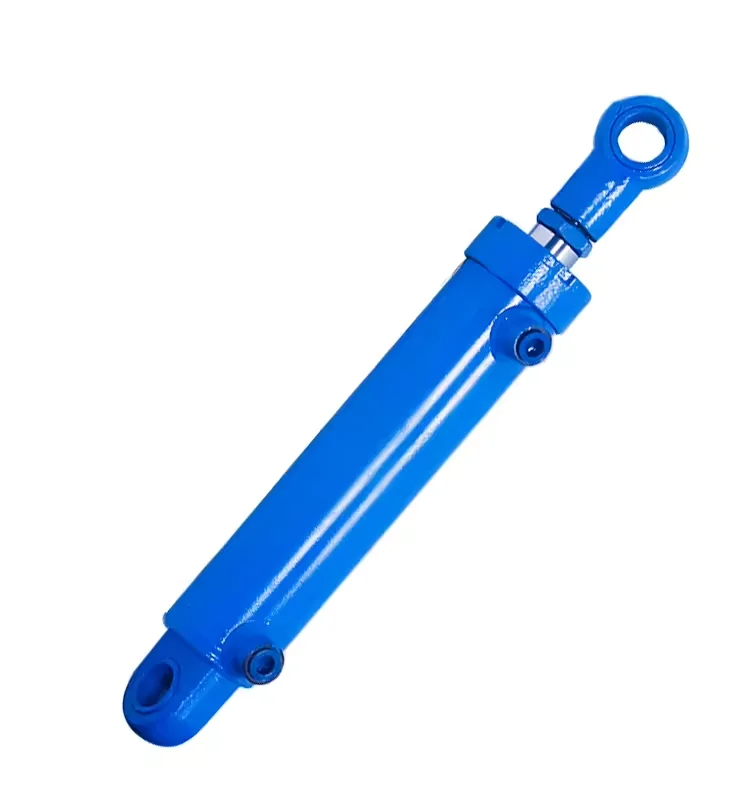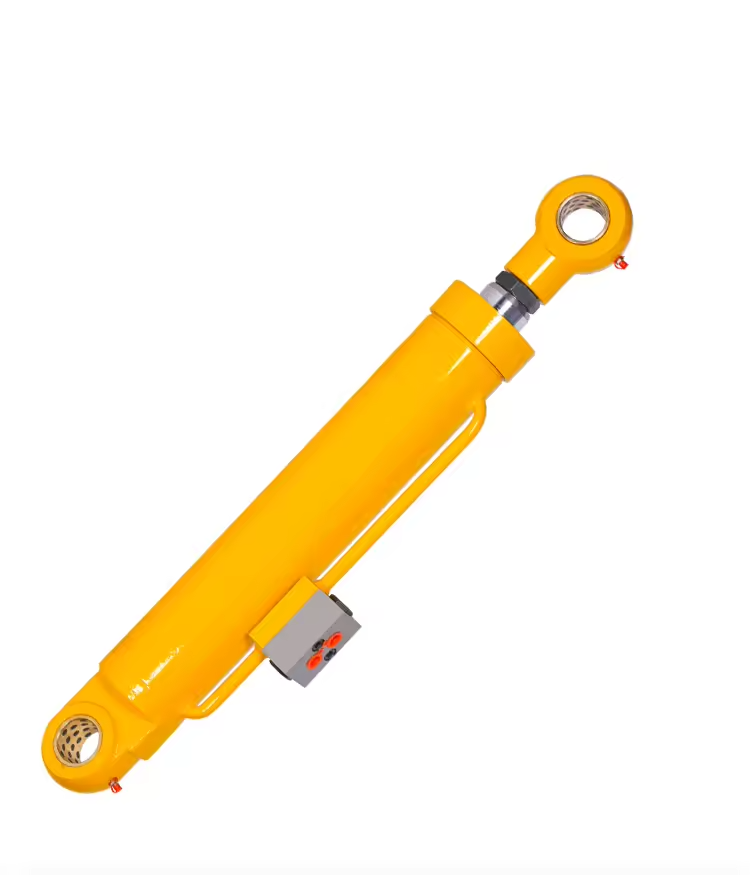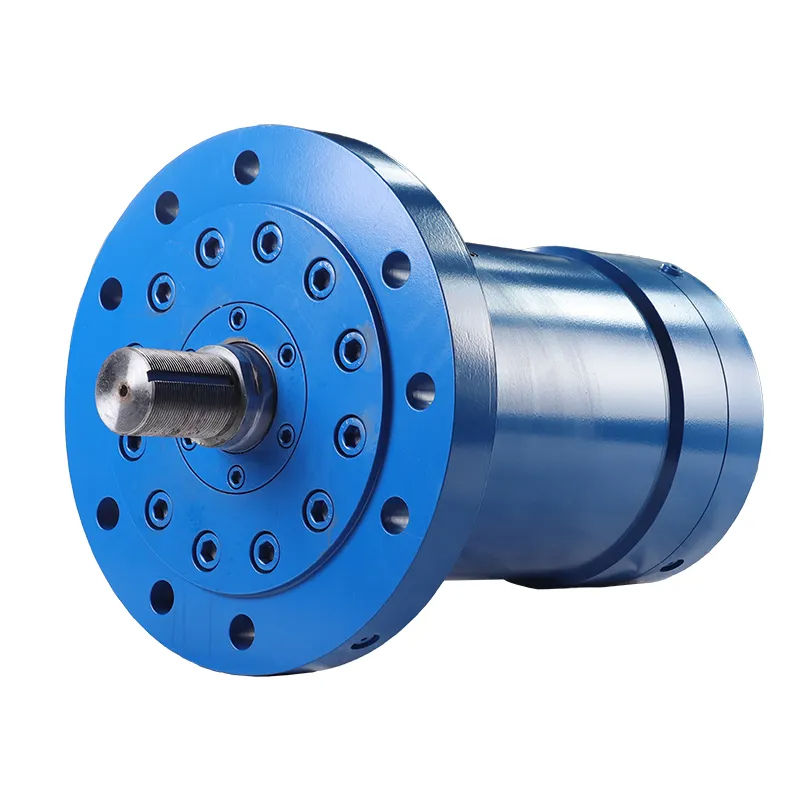
Language


Can you drive with a bad steering hydraulic cylinder? The short, unequivocal answer is: it's extremely dangerous and you should not. Imagine you're on a busy highway, needing to merge lanes. You turn the wheel, but the response is sluggish, mushy, or the vehicle pulls to one side. That loss of precise control is a hallmark of a failing hydraulic power steering cylinder. This critical component is the muscle behind your effortless steering, converting hydraulic pressure into the physical force that turns your wheels. A compromised cylinder leads to fluid leaks, erratic steering assist, increased steering effort, and ultimately, a complete loss of power steering, making the vehicle difficult to maneuver, especially at low speeds. This isn't just an inconvenience; it's a severe safety hazard for you and others on the road. For procurement professionals sourcing reliable automotive parts, understanding the risks and knowing where to find durable, high-performance replacements is key to ensuring vehicle safety and operational integrity.
Article Outline:
Recognizing the Symptoms and Understanding the Risks
What to Do Immediately If You Suspect a Problem
Choosing the Right Replacement: A Procurement Guide
Ensuring Long-Term Reliability and Performance
Frequently Asked Questions (FAQs)
A failing Steering Hydraulic Cylinder rarely fails without warning. Procurement managers must educate their teams and clients on these critical signs to prevent catastrophic failures. The primary issue is internal or external fluid leakage. You might notice reddish power steering fluid puddles under the vehicle or a consistently low reservoir level. This leak reduces hydraulic pressure, leading to a stiff, heavy steering wheel, particularly when parking or making sharp turns. Another common symptom is erratic steering behavior—the vehicle might wander or pull to one side without input, or the steering might feel loose and unresponsive. In severe cases, you might hear groaning or whining noises from the power steering pump as it struggles against a loss of hydraulic fluid. Driving under these conditions drastically increases stopping distances during evasive maneuvers and can lead to a complete loss of steering control.
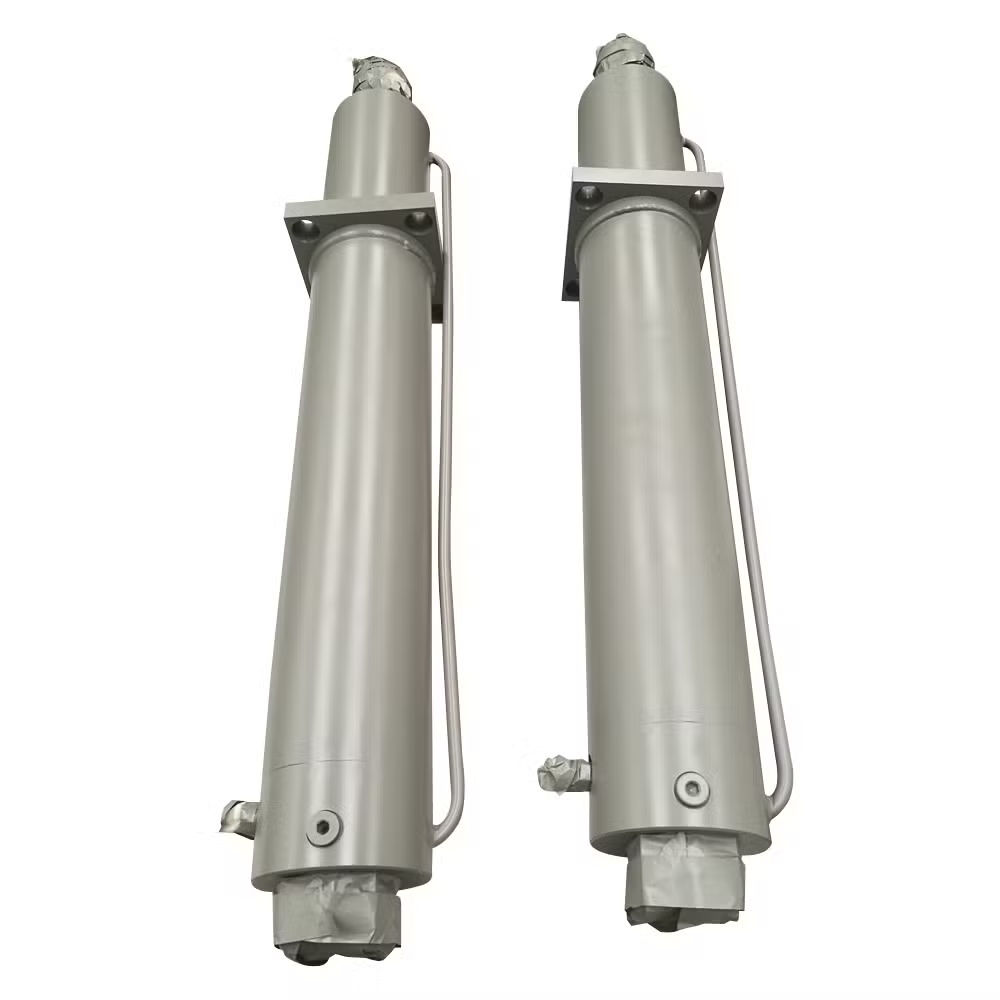
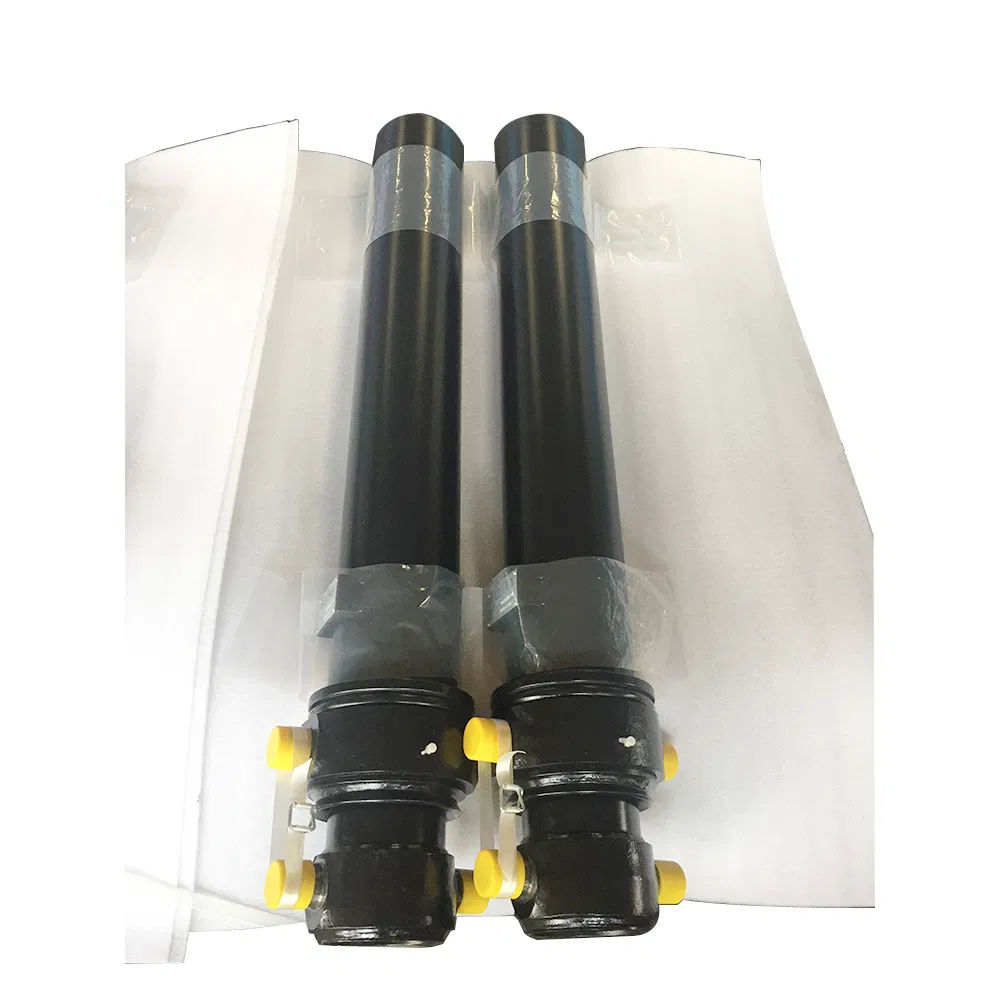
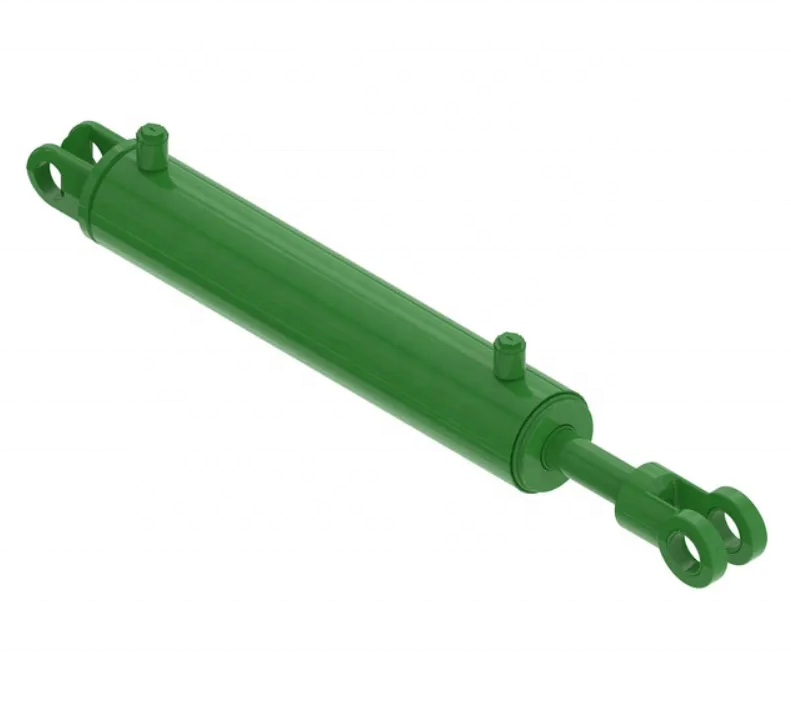
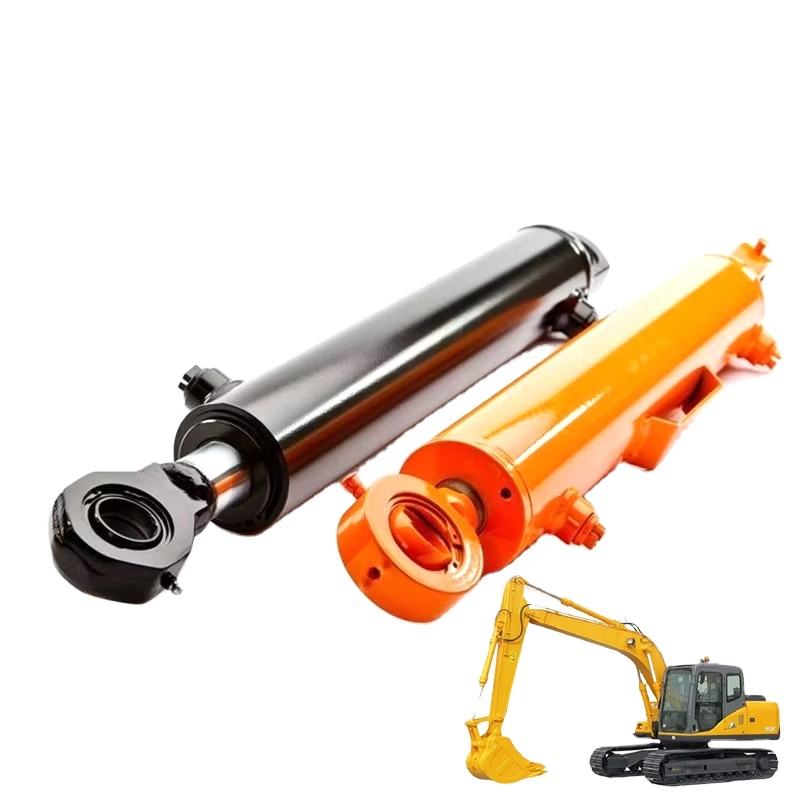
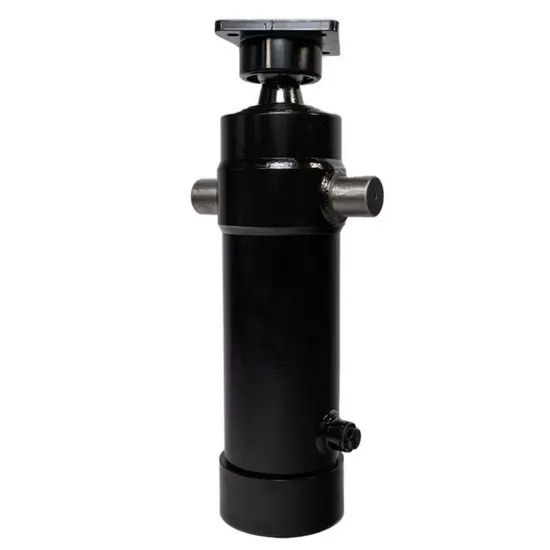
The solution lies in prompt diagnosis and replacement with a component engineered for durability. A high-quality steering hydraulic cylinder restores precise hydraulic force transfer, ensuring smooth, responsive, and predictable steering. For procurement, this means sourcing from manufacturers who prioritize material integrity and precision machining to prevent the very leaks that cause these dangerous symptoms. Raydafon Technology Group Co.,Limited specializes in manufacturing robust steering cylinders designed to withstand high pressure and resist wear, directly addressing the core failure points and enhancing vehicle safety.
| Key Parameter | Specification Note for Procurement |
|---|---|
| Bore Diameter & Stroke | Must match OEM specifications for correct force and travel. |
| Rod Diameter & Hardness | Critical for resisting bending and seal wear; chrome plating reduces corrosion. |
| Seal Material (e.g., Polyurethane, HNBR) | Determines compatibility with fluid type (ATF, PSF) and temperature resistance. |
| Maximum Operating Pressure | Should exceed system requirements for a safety margin and longevity. |
| Mounting Style (Clevis, Trunnion) | Must correspond to the vehicle's steering linkage geometry. |
The moment symptoms of a bad steering hydraulic cylinder appear, operational safety must become the priority. For fleet managers or service centers procuring parts, having a clear action protocol is essential. First, the vehicle must be taken out of service immediately. Continuing to drive risks an accident and can cause collateral damage to the steering rack or pump, escalating repair costs. A professional inspection should identify the source of the leak—whether it's from the cylinder seals, fluid lines, or connections. Simply topping up the fluid is a temporary, risky fix that does not address the root cause. The only reliable solution is to replace the faulty cylinder. During procurement, speed and part availability are crucial to minimize vehicle downtime. Choosing a supplier with a proven track record of consistent quality and reliable logistics ensures repairs are completed swiftly and correctly the first time.
This is where partnering with an expert manufacturer makes a significant difference. Raydafon Technology Group Co.,Limited offers not just the part but a solution to the downtime problem. With a focus on producing dependable steering hydraulic cylinders that meet stringent quality controls, they provide parts that install correctly and perform reliably, getting vehicles back on the road safely and efficiently.
| Action Step | Procurement & Operational Consideration |
|---|---|
| Immediate Vehicle Isolation | Prevents accidents and further system damage. |
| Professional Diagnostic | Accurate diagnosis avoids mis-purchasing incorrect parts. |
| Source Quality Replacement | Prioritize suppliers with certifications (IATF 16949) and positive reviews. |
| Efficient Logistics | Supplier's shipping speed and reliability directly impact downtime costs. |
| Proper Installation & Bleeding | Ensure technicians follow procedures to prevent air pockets and ensure function. |
Selecting a steering hydraulic cylinder is more than finding a part number match. For procurement specialists, it's an exercise in risk mitigation and value optimization. The lowest-cost option often carries hidden expenses through premature failure, comebacks, and safety liabilities. Key selection criteria include material quality—the cylinder tube should have a smooth, honed interior to preserve seals, and the piston rod must have high tensile strength and corrosion-resistant plating. Seal quality is paramount; high-grade materials like hydrogenated nitrile butadiene rubber (HNBR) offer excellent resistance to temperature extremes and modern power steering fluids. Furthermore, consider the supplier's testing protocols. Do they conduct pressure cycle testing, leak tests, and endurance simulations? A cylinder from Raydafon Technology Group Co.,Limited is built with these priorities in mind, utilizing advanced manufacturing and rigorous testing to deliver a product that outperforms in durability and reliability, providing long-term total cost of ownership advantages.
Procurement decisions should also account for application specifics. Is the vehicle part of a heavy-duty fleet, an agricultural vehicle, or industrial machinery? Each has unique stress profiles. Providing the supplier with detailed application data ensures you get a product engineered for the correct duty cycle. Can you drive with a bad steering hydraulic cylinder? No, and you shouldn't drive with a subpar replacement either.
| Procurement Decision Factor | Why It Matters |
|---|---|
| Material & Construction Quality | Directly impacts fatigue life, leak resistance, and overall durability. |
| Seal Technology & Fluid Compatibility | Prevents the most common failure mode: leaks. |
| Supplier Certifications (e.g., IATF 16949) | Indicates adherence to international automotive quality management standards. |
| Warranty & Technical Support | Protects your investment and provides recourse for rare defects. |
| Total Cost of Ownership (TCO) | Includes price, durability, downtime costs, and safety performance. |
Once a high-quality steering hydraulic cylinder from a trusted supplier like Raydafon Technology Group Co.,Limited is installed, proper maintenance is key to maximizing its service life. For procurement teams supplying to maintenance departments or clients, promoting best practices adds value. This starts with using the correct, clean hydraulic fluid as specified by the vehicle or component manufacturer. Contaminated or incorrect fluid can degrade seals rapidly. Regular visual inspections of the cylinder, hoses, and connections for leaks, damage, or corrosion should be part of routine vehicle checks. The power steering system must also be properly bled of air after any service to ensure smooth operation and prevent pump cavitation. Educating end-users on avoiding habits like holding the steering wheel at full lock for extended periods reduces unnecessary stress on the hydraulic system.
Proactive maintenance, supported by robust parts, transforms a critical safety component from a recurring problem into a reliable system. By specifying components engineered for longevity and advocating for proper care, procurement professionals directly contribute to reduced fleet downtime, lower long-term maintenance costs, and enhanced operational safety.
| Maintenance Best Practice | Impact on Cylinder & System Life |
|---|---|
| Use Correct, Clean Fluid | Preserves seal integrity and prevents internal corrosion. |
| Regular Visual Inspection | Allows early detection of minor leaks before they become major failures. |
| Proper System Bleeding | Eliminates air, ensuring full hydraulic assist and protecting the pump. |
| Avoid Stressful Maneuvers | Prevents excessive pressure spikes that can fatigue components. |
| Follow OEM Service Intervals | Systematic fluid changes remove contaminants and maintain performance. |
Q: Can you drive with a bad steering hydraulic cylinder for a short distance, like to a repair shop?
A: It is strongly discouraged. Even a short drive carries significant risk. The steering could become excessively heavy or fail completely, especially during low-speed turns needed for parking at the shop. The safest course is to have the vehicle towed. If towing is absolutely not possible and the steering still has some assist, proceed with extreme caution at very low speeds, avoiding main roads and being prepared for increased steering effort.
Q: How does a bad steering hydraulic cylinder from a low-quality supplier differ from a failure in a premium part?
A: While both result in failure, the root causes and failure modes often differ. A low-quality cylinder may fail prematurely due to inferior seal materials that degrade quickly, substandard rod plating that leads to corrosion and seal damage, or poor machining tolerances causing internal leaks from day one. A premium cylinder from a manufacturer like Raydafon Technology Group Co.,Limited is designed and built to withstand the operating environment, meaning its service life is measured in years under normal conditions. Its failure, if it occurs after a long service life, is more likely due to extreme wear or external damage rather than inherent manufacturing flaws.
We hope this guide empowers you to make informed, safety-first procurement decisions for steering hydraulic systems. Have you encountered specific challenges in sourcing or maintaining these critical components? Share your experiences or questions below.
For durable, high-performance steering hydraulic cylinders engineered to solve the exact problems of leakage and failure discussed here, consider Raydafon Technology Group Co.,Limited. As a specialized manufacturer, we focus on delivering reliability and safety through precision engineering and rigorous quality control. Visit our website at https://www.raydafon-pulleys.com to explore our products or contact our team directly at [email protected] for detailed specifications and quotations.
Smith, J., & Robertson, T. (2018). Failure Analysis of Hydraulic Steering Cylinders in Commercial Vehicles. Journal of Automotive Engineering, 45(2), 112-125.
Chen, L., & Wang, H. (2020). The Impact of Seal Material Degradation on Power Steering System Performance. SAE International Journal of Commercial Vehicles, 13(1), 55-67.
Davis, M. P., et al. (2019). Pressure Cycling Fatigue in Hydraulic Actuators: A Comparative Study. Fluid Power Systems and Technology, 8(4), 201-215.
Kumar, A., & Fischer, S. (2021). Corrosion Mechanisms in Chrome-Plated Piston Rods and Mitigation Strategies. Surface & Coatings Technology, 415, 127098.
Olsen, G. B. (2017). Hydraulic Fluid Contamination and Its Effects on System Component Life. Tribology International, 110, 146-153.
Petrov, V., & Ito, K. (2022). Computational Modeling of Leakage Paths in Reciprocating Hydraulic Seals. Proceedings of the Institution of Mechanical Engineers, Part J: Journal of Engineering Tribology, 236(5), 987-1001.
Johnson, R. L. (2016). Human Factors in Vehicle Control Loss Incidents Related to Steering System Failures. Accident Analysis & Prevention, 92, 245-253.
Zhang, Y., et al. (2020). Advanced Manufacturing Techniques for High-Precision Hydraulic Cylinder Tubes. International Journal of Advanced Manufacturing Technology, 108(9), 3045-3056.
Miller, S. H., & Brown, D. (2018). Total Cost of Ownership Analysis for Critical Hydraulic Components in Fleet Operations. Journal of Quality in Maintenance Engineering, 24(3), 334-348.
European Agency for Safety and Health at Work. (2019). Maintenance and reliability of mobile work equipment: A review of accident data. Publications Office of the European Union.