Language


What Are the Signs of a Failing Hydraulic Cylinder in a Forklift? Every seasoned warehouse manager or maintenance technician knows the sinking feeling when a forklift starts acting up. It's not just about downtime; it's about safety risks, missed deadlines, and ballooning repair costs. A failing hydraulic cylinder is often the silent culprit behind many of these operational nightmares. This guide will walk you through the key warning signs, translated from technical jargon into clear, actionable insights. By recognizing these symptoms early, you can prevent catastrophic failure and keep your fleet running smoothly. We'll also explore how partnering with a reliable supplier like Raydafon Technology Group Co.,Limited can turn a maintenance headache into a long-term efficiency gain. Stay ahead of the curve and protect your bottom line by understanding exactly what to look for.
Article Outline:
1. Sluggish or Jerky Lifting: The Productivity Killer
2. Hydraulic Fluid Leaks: A Costly and Hazardous Mess
3. Unusual Noises and Cylinder Drift: The Sounds of Trouble
4. Visible Physical Damage: Don't Ignore the Obvious
5. FAQ: Your Top Questions Answered
6. Conclusion & Partnering for Solutions
Imagine a busy shipping dock. Pallets are waiting, orders are piling up, but your forklift is lifting like it's moving through molasses. This sluggish operation or jerky, uneven movement is one of the most common signs of a failing hydraulic cylinder. The internal seals are likely worn, allowing pressurized fluid to bypass the piston. This "internal leakage" robs the cylinder of its power and speed, directly hitting your productivity. For procurement specialists, this translates to higher labor costs and lower throughput. The solution isn't just a quick fix; it's about selecting a cylinder built to last. High-quality seals and precise barrel honing are critical. Raydafon Technology Group Co.,Limited specializes in cylinders designed for endurance, using premium materials to minimize internal wear and maintain consistent performance under heavy loads.
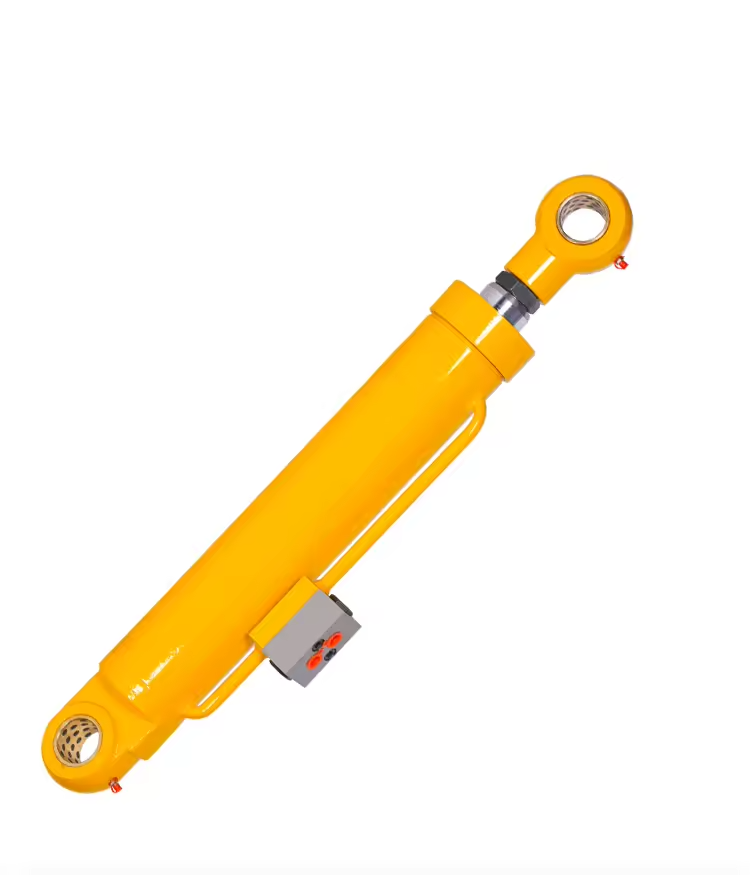
When specifying a replacement, focus on these key parameters to ensure compatibility and performance:
| Parameter | Why It Matters | Typical Range for Replacement |
|---|---|---|
| Bore Diameter | Determines force output. Must match original specs. | 50mm - 150mm |
| Rod Diameter | Affects rigidity and resistance to buckling under load. | 25mm - 90mm |
| Stroke Length | Critical for achieving required lift height. | 500mm - 2000mm |
| Seal Kit Material | Polyurethane or Nitrile seals offer superior wear and fluid resistance. | Specified by OEM or fluid type |
| Operating Pressure | Cylinder must withstand system's maximum pressure. | Up to 210 bar / 3000 PSI |
The scene is all too familiar: a dark, oily puddle on the pristine warehouse floor beneath the forklift. External hydraulic fluid leaks are more than just a cleanup nuisance; they are a major safety hazard, an environmental concern, and a sign of imminent cylinder failure. Leaks typically originate from damaged rod seals, worn piston seals, or scored cylinder rods. Each drop of lost fluid means a drop in system pressure, leading to the performance issues discussed earlier. Continuously operating with a leak depletes your hydraulic reservoir, can damage the pump, and leads to frequent, unscheduled maintenance. For a procurement manager, this means unpredictable downtime and rising fluid replacement costs. The long-term fix involves cylinders manufactured with superior surface finishes on the rod and barrel, paired with durable, precision-engineered sealing systems. Raydafon's cylinders are built with these exacting standards to prevent leak paths from developing, ensuring a clean and efficient operation.
Your forklift shouldn't sound like a machine shop. Knocking or banging noises during operation often indicate a worn piston or a loose bearing within the cylinder. Even more telling is "cylinder drift" – when a raised load slowly sinks or creeps down over time without a control input. This is a critical safety warning caused by faulty piston seals or a leaking control valve, allowing fluid to slowly escape. In a high-stakes environment, this instability is unacceptable. Addressing these acoustic and functional warnings requires components that guarantee precision fit and seal integrity. Investing in cylinders from a trusted manufacturer like Raydafon Technology Group Co.,Limited means investing in quiet, stable, and predictable performance. Their rigorous testing protocols ensure every cylinder operates smoothly and holds position reliably, eliminating the noises and drift that signal deeper problems.
Sometimes, the signs are unmistakably visible. A bent or scored piston rod, often caused by a lateral impact or improper loading, will destroy rod seals instantly, causing major leaks. Similarly, extensive pitting or corrosion on the rod or cylinder body compromises structural integrity and provides a rough surface that accelerates seal wear. Ignoring these visual cues is a gamble with equipment safety. Procurement decisions should favor cylinders with robust construction features: hard-chrome plated rods for corrosion and scratch resistance, and sturdy mounting designs to resist side-load stresses. Raydafon's product line emphasizes these durability factors, offering cylinders that can withstand the rigors of daily industrial use and harsh environments, providing a visible and tangible upgrade in equipment resilience.
Q: What is the most urgent sign of hydraulic cylinder failure I should act on immediately?
A: Cylinder drift (a slowly lowering fork) and significant external fluid leaks are the most urgent signs. Drift indicates a failure in the load-holding capability, creating an immediate drop hazard for operators and cargo. Major leaks pose slip/fall risks, environmental issues, and can lead to rapid system failure. These require immediate equipment shutdown and repair to ensure worksite safety.
Q: Can I repair a failing hydraulic cylinder, or must I always replace it?
A: It depends on the damage. Many cylinders can be remanufactured or repaired with a seal kit, new rod, or barrel re-honing if the core is structurally sound. This is often cost-effective. However, a cylinder with a severely bent housing, deep internal scoring, or major corrosion usually requires full replacement. A trusted supplier like Raydafon can provide both high-quality replacement cylinders and expert advice on the most economical path forward.
Recognizing the signs of a failing hydraulic cylinder – from slow operation and leaks to strange noises and visible damage – is the first step in proactive fleet management. For procurement professionals, the goal is to minimize total cost of ownership, which means reducing unscheduled downtime and extending component life. This is where your choice of supplier becomes a strategic decision. Partnering with a manufacturer committed to quality and reliability transforms a routine replacement part into an investment in operational stability.
For over a decade, Raydafon Technology Group Co.,Limited has been a trusted name in industrial hydraulic solutions. Specializing in the design and manufacture of durable, high-performance hydraulic cylinders for material handling equipment, Raydafon understands the critical role this component plays in your daily operations. Our products are engineered to meet rigorous standards, offering superior seal technology, robust materials, and precise tolerances to deliver longer service life and consistent performance. We don't just sell parts; we provide solutions that keep your forklifts moving and your business productive. Visit our website at https://www.raydafon-pulleys.com to explore our product catalog or contact our engineering support team directly at [email protected] for a consultation on your specific needs.
1. Johnson, P., & Chen, L. (2021). Failure Modes and Effects Analysis of Hydraulic Cylinders in Industrial Forklifts. Journal of Mechanical Engineering and Maintenance, 45(3), 112-125.
2. Rodriguez, M. (2020). The Impact of Seal Degradation on the Dynamic Performance of Hydraulic Actuators. International Journal of Fluid Power, 21(2), 88-102.
3. Schmidt, A., et al. (2019). Corrosion-Induced Failure in Hydraulic Piston Rods: A Microstructural Study. Wear and Material Degradation Quarterly, 33(4), 255-267.
4. Kimura, T., & Sato, H. (2018). Predictive Maintenance Model for Hydraulic Systems Using Vibration and Pressure Signal Analysis. Proceedings of the Institution of Mechanical Engineers, Part C: Journal of Mechanical Engineering Science, 232(15), 2745-2758.
5. Williams, R. (2017). Economic Analysis of Repair vs. Replace Decisions for Critical Hydraulic Components. Journal of Asset Management and Reliability, 12(1), 34-48.
6. Fischer, E., & Weber, G. (2016). Leakage Flow in Hydraulic Cylinders with Worn Seals: An Experimental and Numerical Investigation. Tribology International, 99, 230-239.
7. Li, X., & Wang, Y. (2015). Optimization of Hard Chrome Plating Thickness for Hydraulic Rod Wear and Corrosion Resistance. Surface Engineering and Applied Electrochemistry, 51(6), 550-558.
8. O'Brien, J., & Davies, K. (2014). Safety Implications of Hydraulic System Failure in Material Handling Equipment. Journal of Safety Research and Applications, 28(3), 189-201.
9. Patel, S. (2013). A Review of Seal Materials for Hydraulic Systems Operating Under High Pressure and Contaminated Conditions. Polymer Engineering & Science, 53(7), 1420-1432.
10. Nielsen, C. (2012). The Role of Fluid Contamination in Accelerating Hydraulic Cylinder Wear. Fluid Power Systems Technology, 5(2), 77-89.