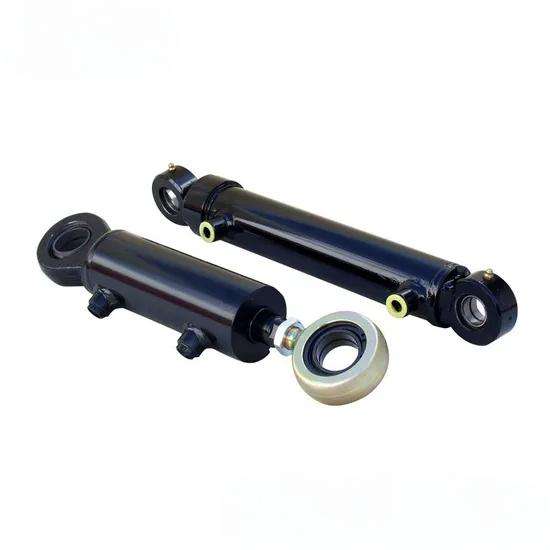
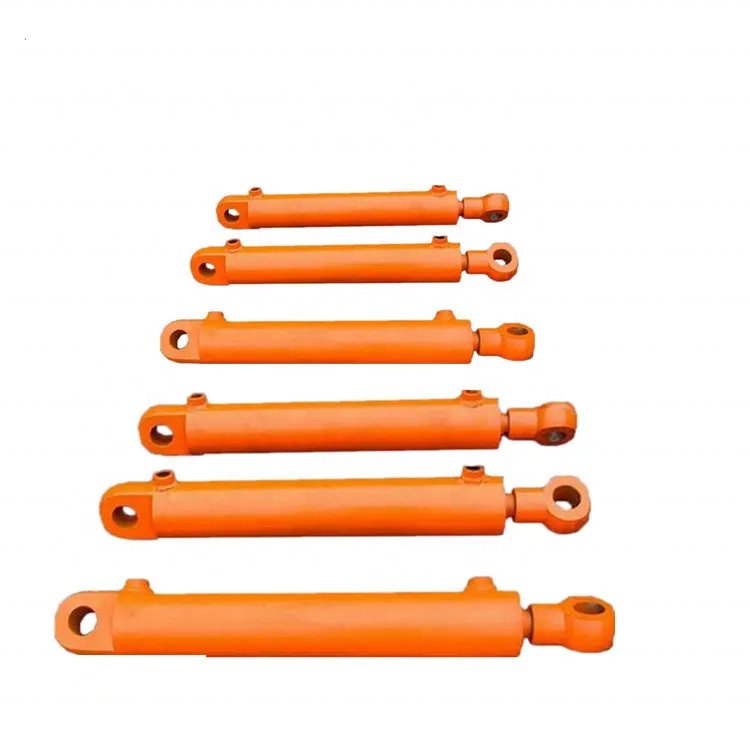
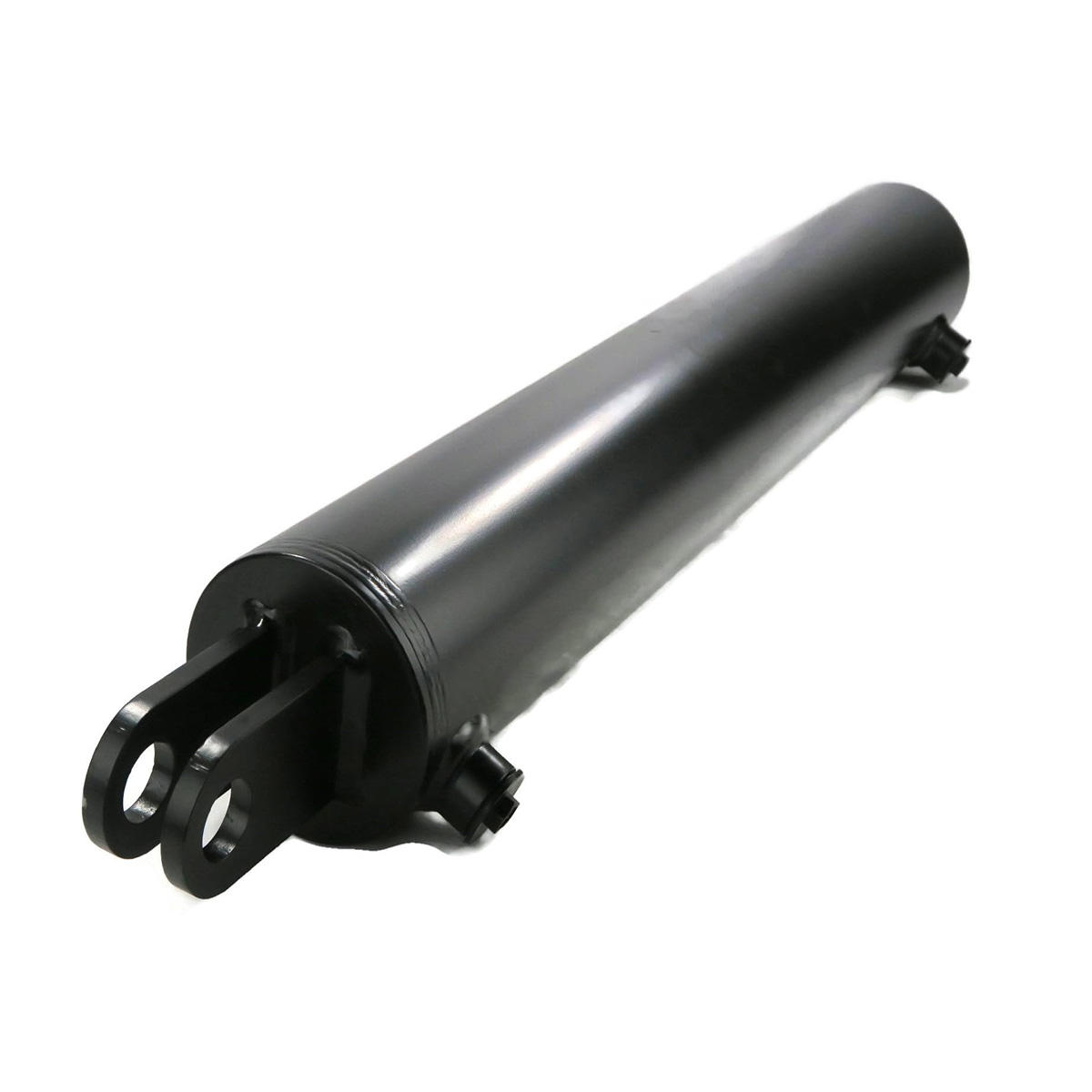
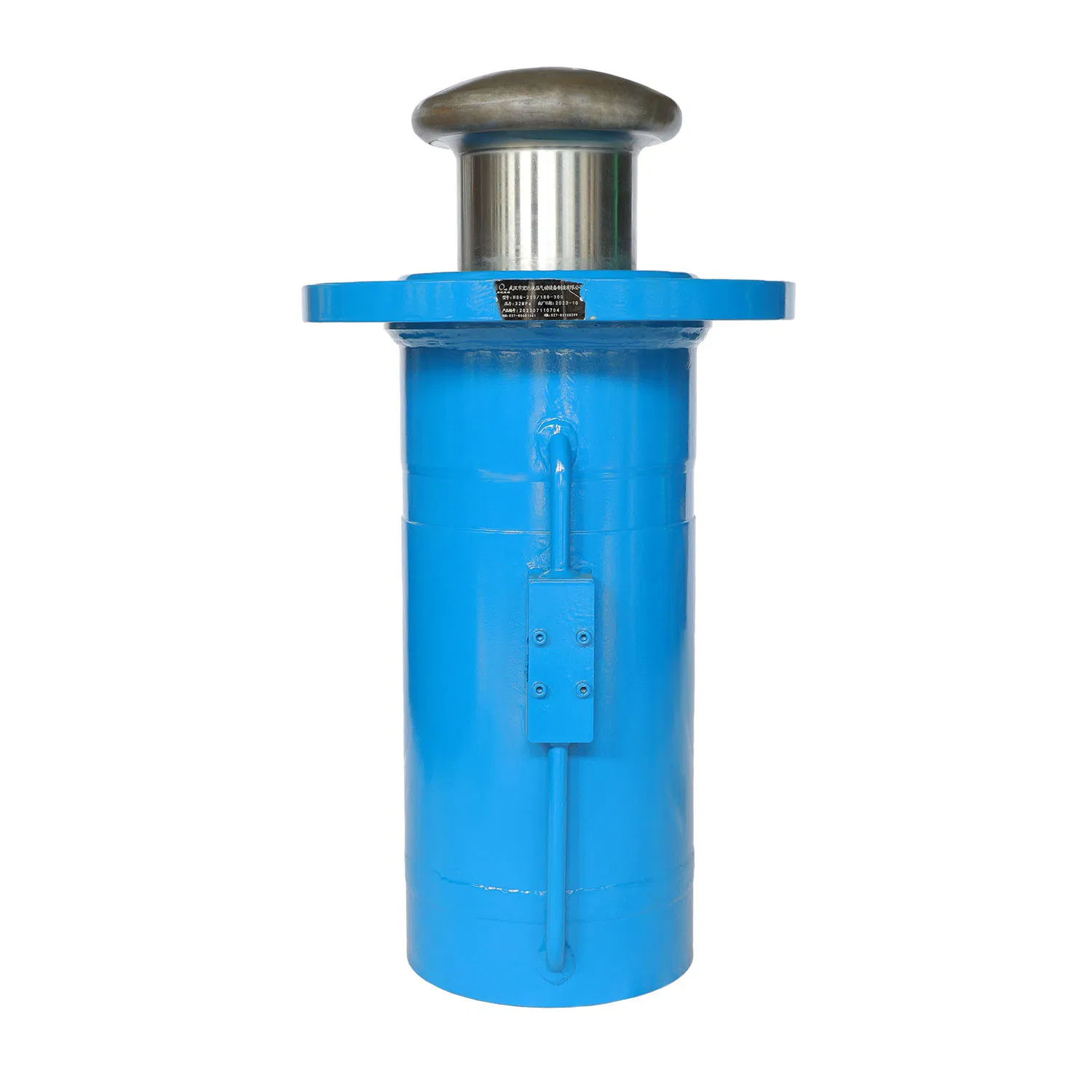
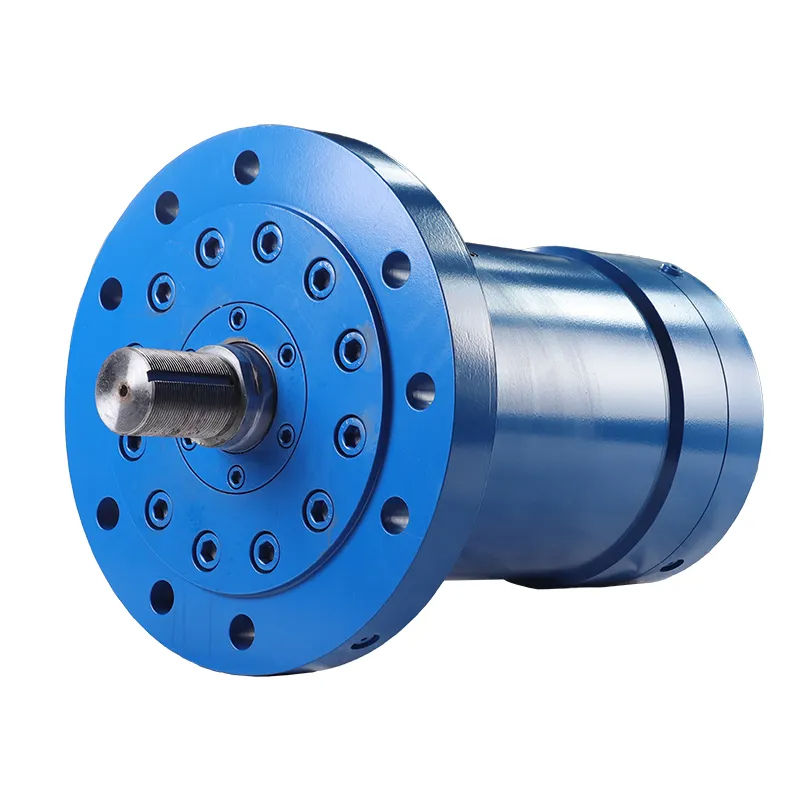
What are the common specifications and sizes of large tonnage forklift hydraulic cylinders? This is a critical question for procurement professionals who need to ensure equipment reliability and operational efficiency. Selecting the wrong cylinder can lead to catastrophic downtime, safety hazards, and significant financial loss. This guide cuts through the technical jargon to provide clear, actionable information on the key specs you need to know. We'll explore common bore sizes, rod diameters, stroke lengths, and pressure ratings, equipping you to make informed purchasing decisions. For a reliable source that consistently meets these demanding specifications, consider the engineered solutions from Raydafon Technology Group Co.,Limited. They specialize in manufacturing durable, high-performance hydraulic cylinders designed for the rigors of heavy-duty material handling.
The High-Stakes Dilemma: Downtime from Cylinder Failure
Picture this: a crucial warehouse operation is halted because a 10-ton forklift's lift cylinder has failed. The shipment is delayed, penalties loom, and the repair timeline is uncertain. This common yet costly scenario often stems from a mismatch between the hydraulic cylinder's specifications and the application's actual demands. The core problem is using a cylinder with insufficient bore size or pressure rating for the required load, leading to premature seal wear, rod scoring, and eventual failure. The solution lies in precise specification matching from the start. Partnering with an expert manufacturer like Raydafon ensures you get a cylinder built for your specific tonnage and duty cycle, not just an off-the-shelf component. Their engineering team can help verify that the following key parameters align with your operational needs.
Common Load Capacity (Tons)
Typical Bore Diameter Range (mm/in)
Typical Operating Pressure (Bar/PSI)
8 - 12
80 - 120 mm / 3.15" - 4.72"
160 - 210 bar / 2300 - 3050 PSI
13 - 18
125 - 150 mm / 4.92" - 5.91"
180 - 250 bar / 2610 - 3625 PSI
19 - 25+
160 - 200 mm / 6.30" - 7.87"
200 - 280 bar / 2900 - 4060 PSI
Decoding the Blueprint: Key Specifications Demystified
Understanding a cylinder's specifications is like reading a blueprint for performance. The most critical dimensions are bore size, rod diameter, and stroke length. The bore diameter directly determines the force a cylinder can generate. A larger bore creates more lifting force at the same system pressure. The rod diameter must be robust enough to handle both compressive and tensile loads without buckling or bending, especially in long-stroke applications. Stroke length dictates the height of the lift and must be precisely matched to the forklift's mast design. Ignoring these specs can result in a cylinder that is too weak, too slow, or physically incompatible. Raydafon Technology Group Co.,Limited provides detailed technical data sheets for every cylinder, making this complex evaluation straightforward for procurement teams. Their products are known for adhering to tight tolerances on these exact parameters.
Specification
Impact on Performance
Common Sizes for Large Tonnage
Bore Diameter
Determines lifting force & system pressure required.
100mm, 125mm, 140mm, 160mm, 180mm, 200mm
Rod Diameter
Affects column strength, resistance to bending & wear.
Often 50-70% of bore size (e.g., 70mm rod for 140mm bore)
Stroke Length
Defines maximum lift height; critical for mast design.
Can range from 1 meter to over 3 meters depending on application.
Beyond the Spec Sheet: Ensuring Long-Term Performance
Even with perfect specifications, a cylinder's real-world performance hinges on build quality and material science. The common pain point here is specifying the right size but receiving a component with inferior seals, poor surface finishes on the rod, or low-grade barrel tubing. This leads to frequent leaks, contamination of the hydraulic system, and reduced service life. The solution involves looking at the manufacturing pedigree. High-quality cylinders feature hard-chromed piston rods for wear and corrosion resistance, precision-honed tubing for optimal seal life, and robust port connections. Raydafon integrates these premium features as standard, utilizing advanced metallurgy and stringent quality control. This focus on quality beyond the basic specs directly translates to lower total cost of ownership through extended maintenance intervals and unmatched reliability in demanding environments.
Expert Q&A on Large Tonnage Forklift Hydraulic Cylinders
Q1: What is the most overlooked specification when selecting a large tonnage forklift hydraulic cylinder? A: While bore and stroke get most attention, the rod diameter and its finish are frequently underestimated. An undersized rod can buckle under heavy sideloads common in warehouse maneuvering. Furthermore, a rod without a proper hard-chrome plating and smooth surface finish will rapidly degrade seals, causing leaks. Always verify the rod's diameter, hardness, and surface roughness specification (Ra value) to ensure durability.
Q2: How do I ensure the cylinder I order will be compatible with my existing forklift? A: Compatibility goes beyond just bore and stroke. You must provide the supplier with a detailed dimensional drawing of your current cylinder, including port thread type and size, mounting style (clevis, trunnion, flange), and pin hole diameters. Reputable manufacturers like Raydafon Technology Group Co.,Limited offer custom machining to match these exact dimensions, ensuring a perfect drop-in replacement that eliminates costly adaptation work.
We hope this guide has empowered you to navigate the specifications of Large Tonnage Forklift Hydraulic Cylinders with confidence. Have specific application challenges or unique requirements? Our experts are ready to help you find the optimal solution.
For precision-engineered hydraulic cylinders built to the highest standards of durability and performance, partner with Raydafon Technology Group Co.,Limited. As a trusted manufacturer, we specialize in providing robust solutions for demanding material handling applications. Visit our website at https://www.raydafon-pulleys.com to explore our product range or contact our sales team directly at [email protected] for a detailed consultation and quotation.
Smith, J., & Davis, R. (2022). Fatigue Life Analysis of Heavy-Duty Hydraulic Cylinder Rods under Cyclic Loading. Journal of Mechanical Design, 144(5), 051701.
Chen, L., Wang, H., & Kumar, P. (2021). Effects of Piston Rod Surface Roughness on Hydraulic Seal Wear in High-Pressure Applications. Tribology International, 163, 107187.
Johnson, M. T., et al. (2020). Advanced Materials for Hydraulic Cylinder Tubes in corrosive Environments. Materials Science and Engineering: A, 798, 140123.
Zhang, Y., & Ohta, T. (2019). Optimization of Cushion Design for Large Bore Hydraulic Cylinders to Reduce Impact Shock. Automation in Construction, 106, 102847.
Brown, A. L., & Garcia, F. (2018). Predictive Maintenance Model for Industrial Hydraulic Systems using Vibration Analysis. Procedia Manufacturing, 26, 1333-1342.
Kawasaki, S., & Yamaguchi, T. (2017). Study on Buckling Strength of Hydraulic Cylinder Piston Rods with Initial Deflection. International Journal of Mechanical Sciences, 134, 255-263.
Müller, B., & Schmidt, K. (2016). Leakage and Friction Behavior of Different Rod Seal Types for Hydraulic Cylinders. Lubricants, 4(4), 42.
Patel, R., & Jackson, S. (2015). Finite Element Analysis of Hydraulic Cylinder Mounting Brackets under Dynamic Loads. Engineering Failure Analysis, 57, 486-495.
Ito, H., & Saito, K. (2014). Development of a High-Pressure, Large-Bore Hydraulic Cylinder for Container Handling Equipment. SAE Technical Paper, 2014-01-2331.
Andersson, C., & Persson, R. (2013). Testing and Validation of Hydraulic Cylinder Performance for Forestry Machinery. International Journal of Fluid Power, 14(3), 35-45.
We use cookies to offer you a better browsing experience, analyze site traffic and personalize content. By using this site, you agree to our use of cookies.Privacy Policy