Custom Design
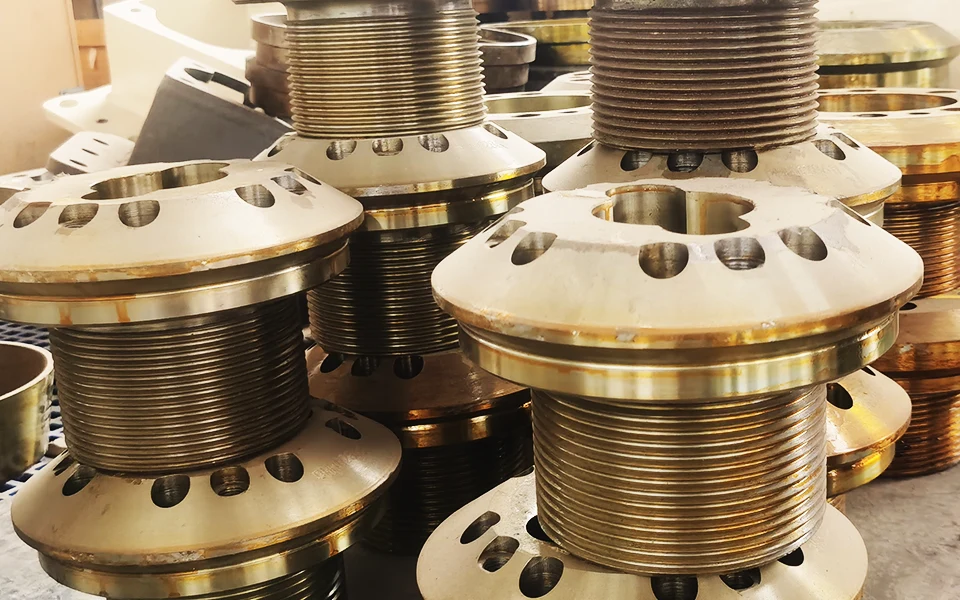
OEM order: parts can be made completely based on your specifications such as 2D&3D drawings, custom design, sample.



OEM order: parts can be made completely based on your specifications such as 2D&3D drawings, custom design, sample.

Over 10 years' ODM/OEM experience in manufacturing and exporting Professional supply chain management

Well-equipped factories with Plastic injection molding and Punching,Stamping, CNC machining divisions.



Establish in

Appearance patent

Employee count

Monthly Production
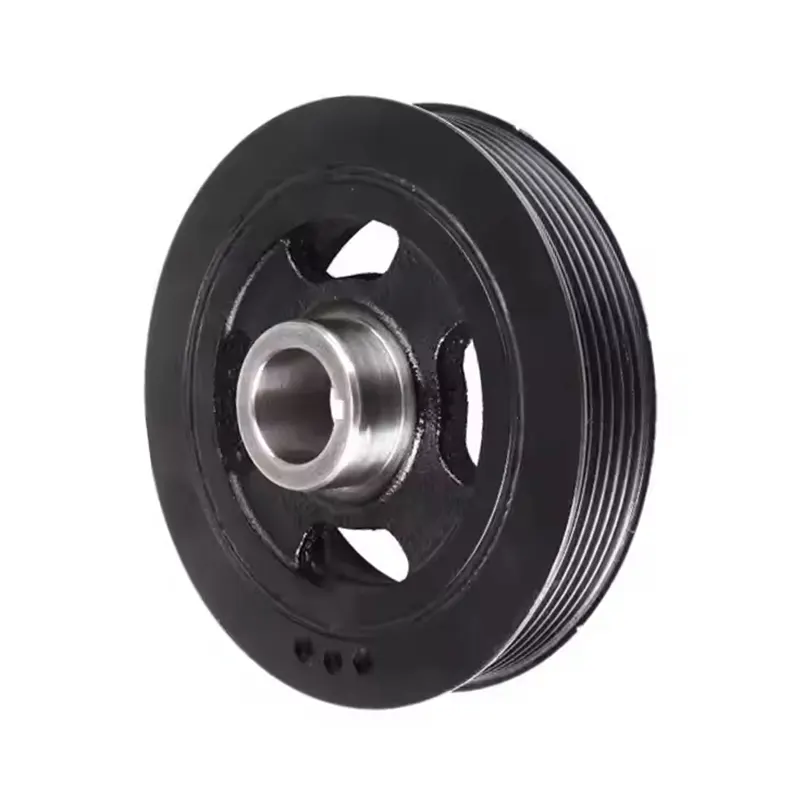
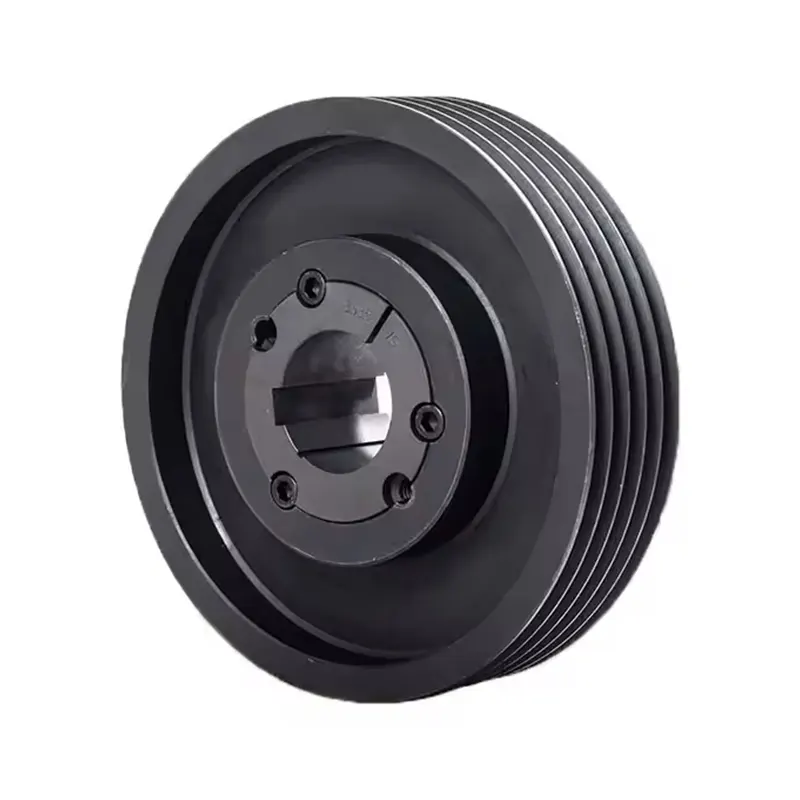
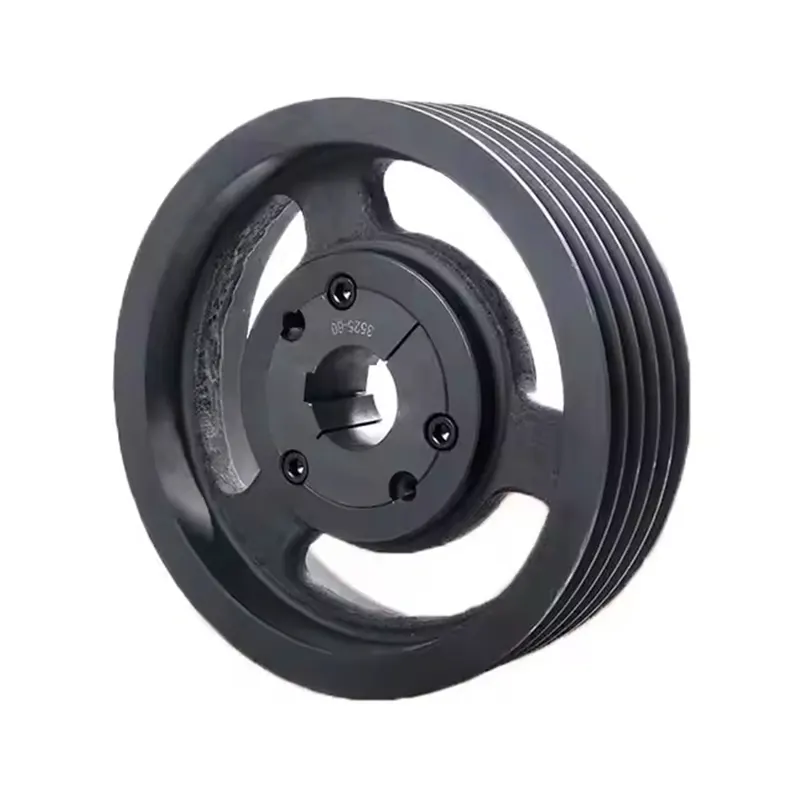
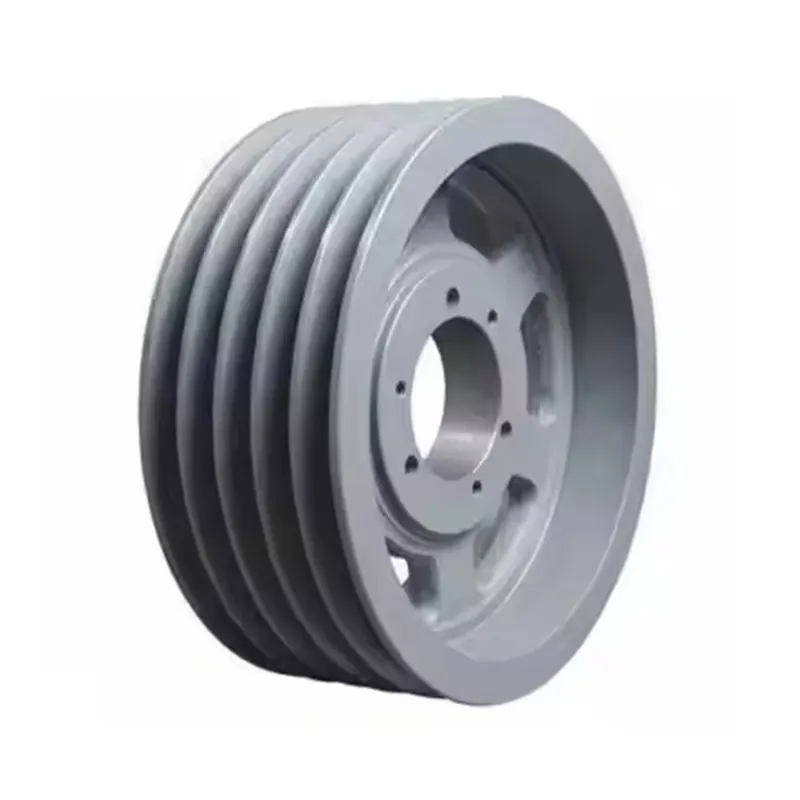
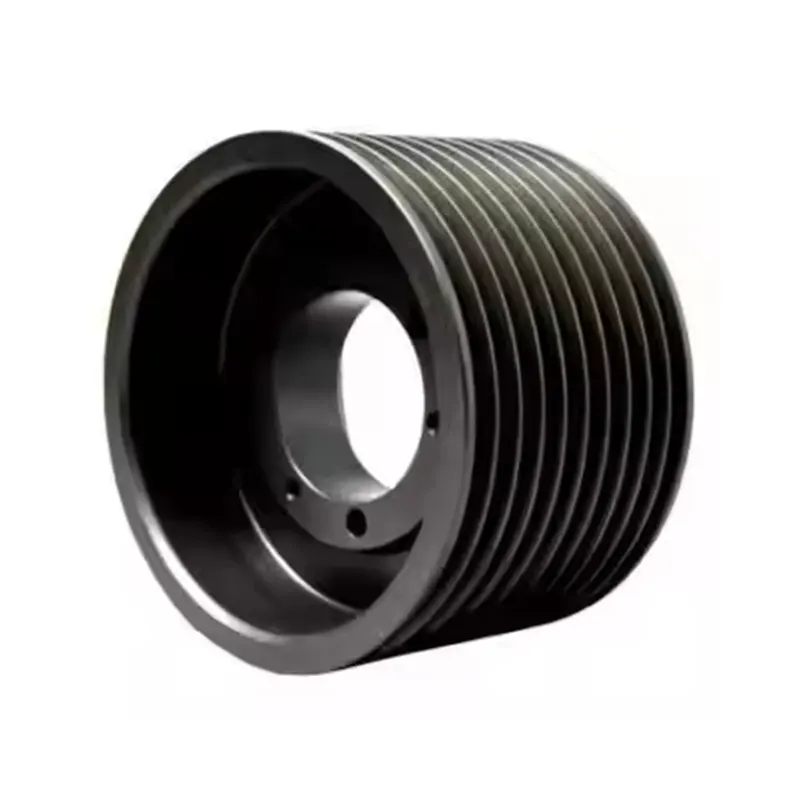
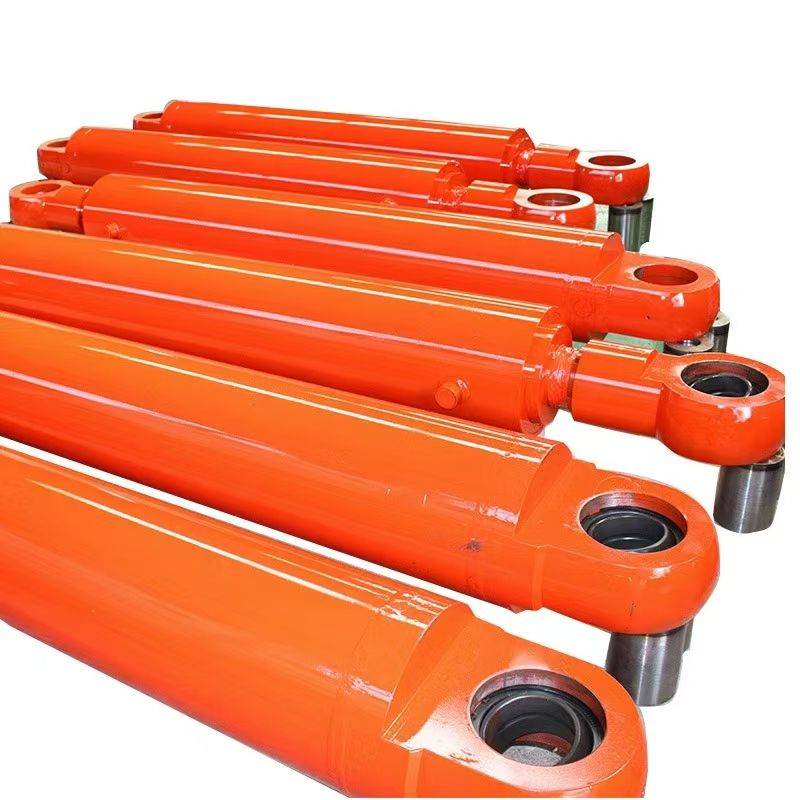
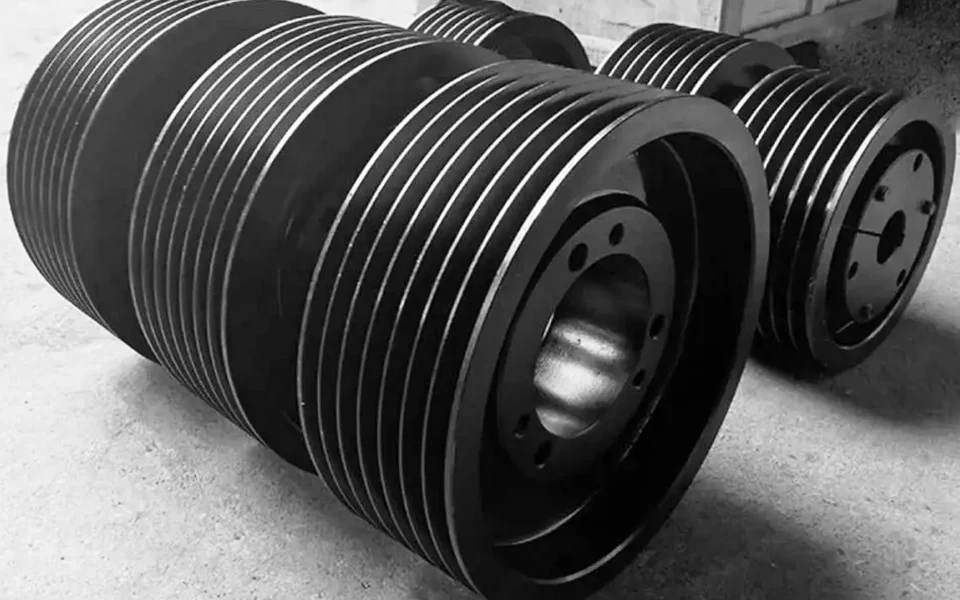
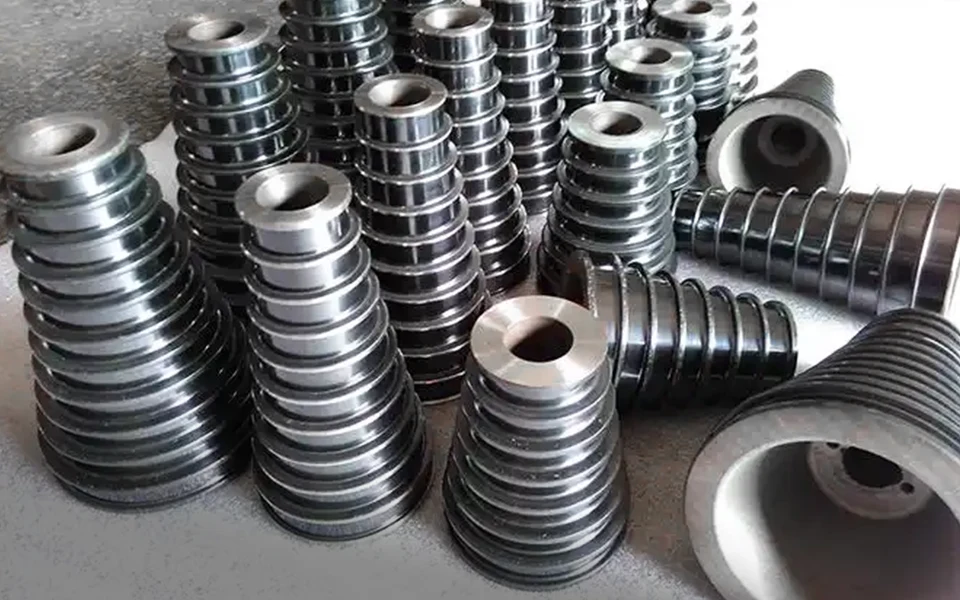
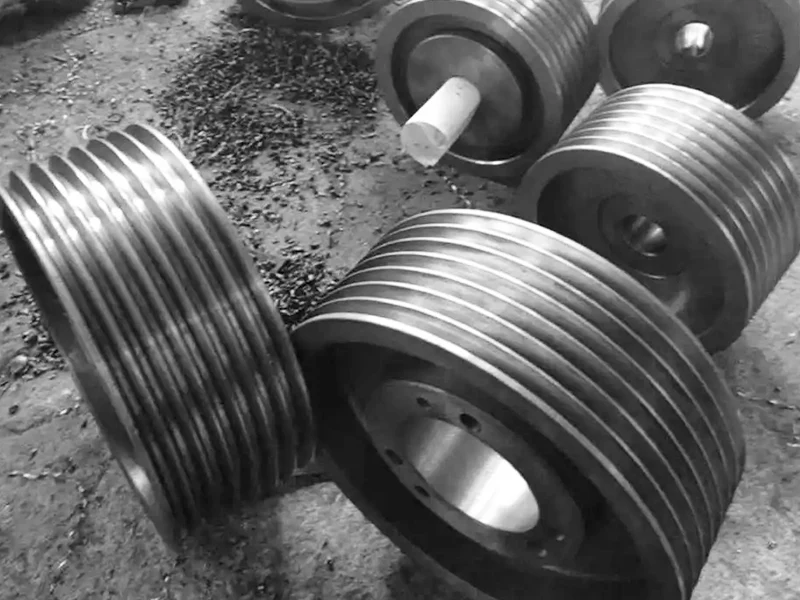
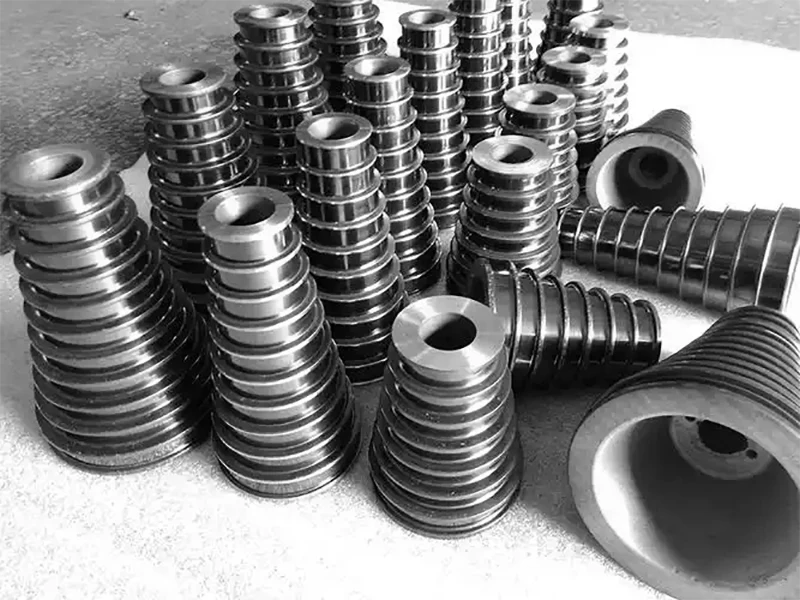
As a transmission component with multiple diameters, it has a wide range of applications, covering industrial production, mechanical manufacturing, energy development, and daily tools.
View More Inquiry Now
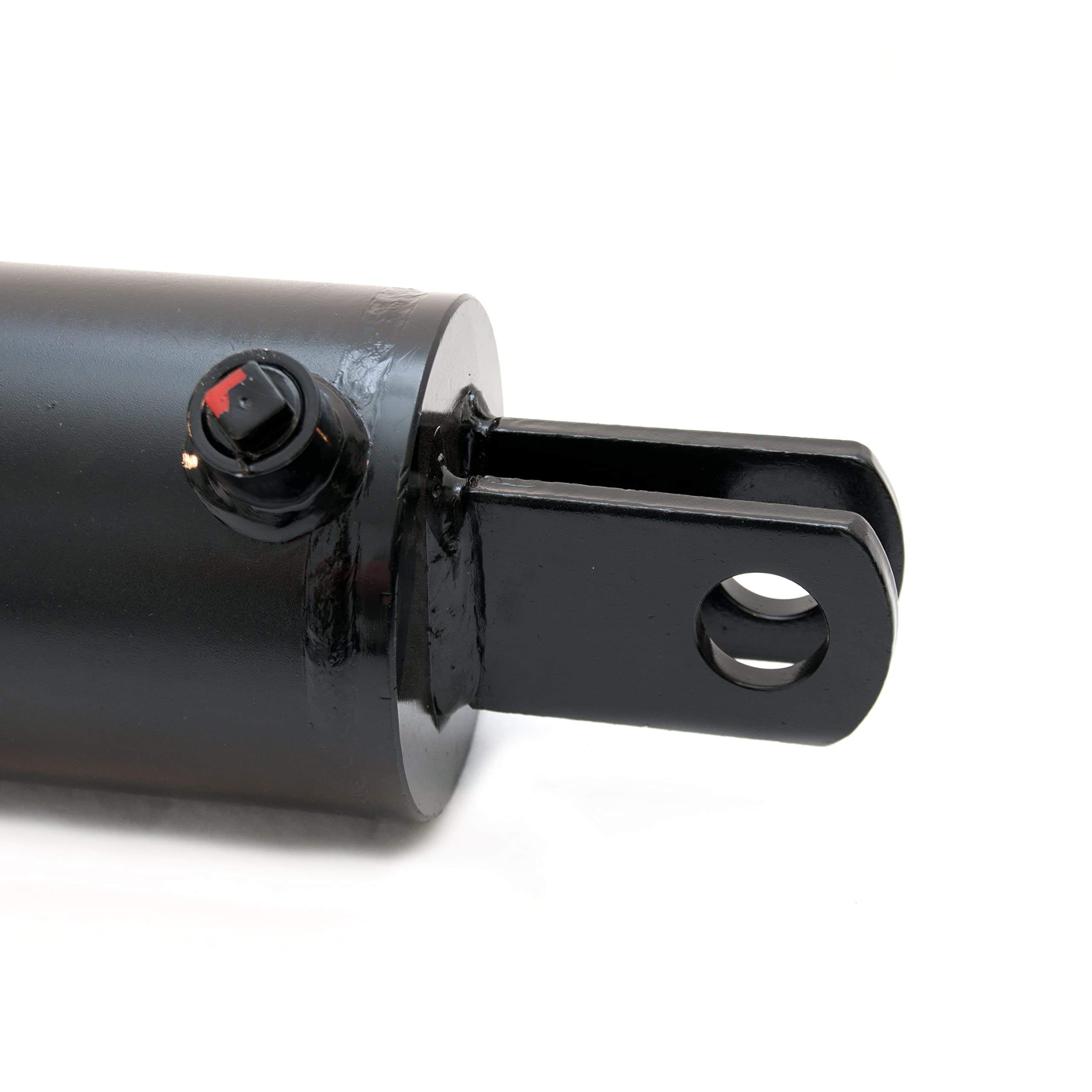
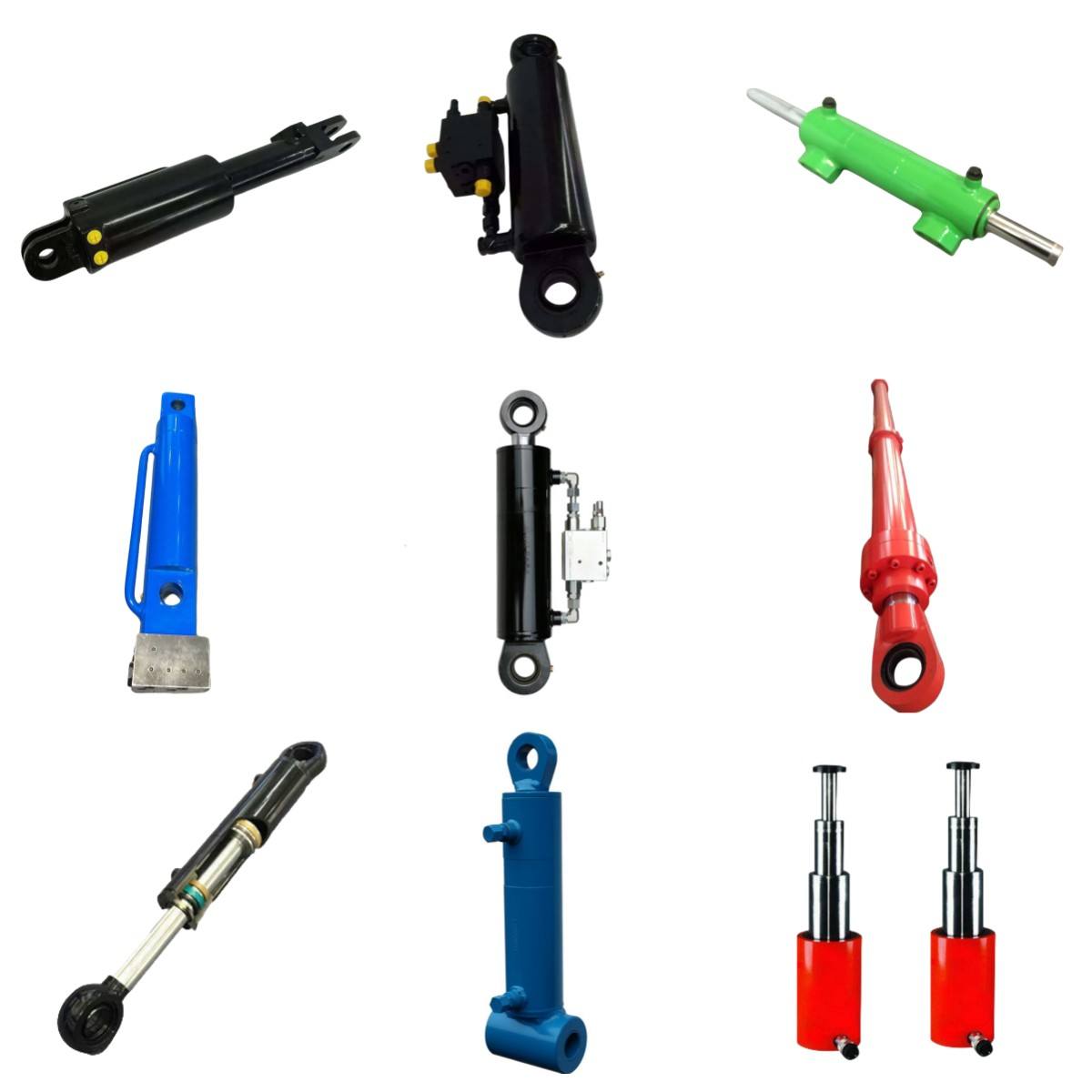
A rotary hydraulic cylinder, also known as a rotary actuator, converts hydraulic fluid power into controlled rotational motion and torque. It is commonly used in applications requiring precise angular movement, such as construction equipment, material handling, marine steering, industrial machinery, and robotics.

This article explains how the L20-8.2 hydraulic rotary actuator cylinder uses pressurized hydraulic fluid to drive an internal mechanism, converting linear force into limited-angle rotary motion for precise positioning applications.
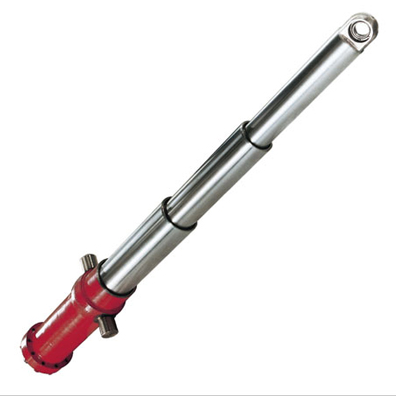
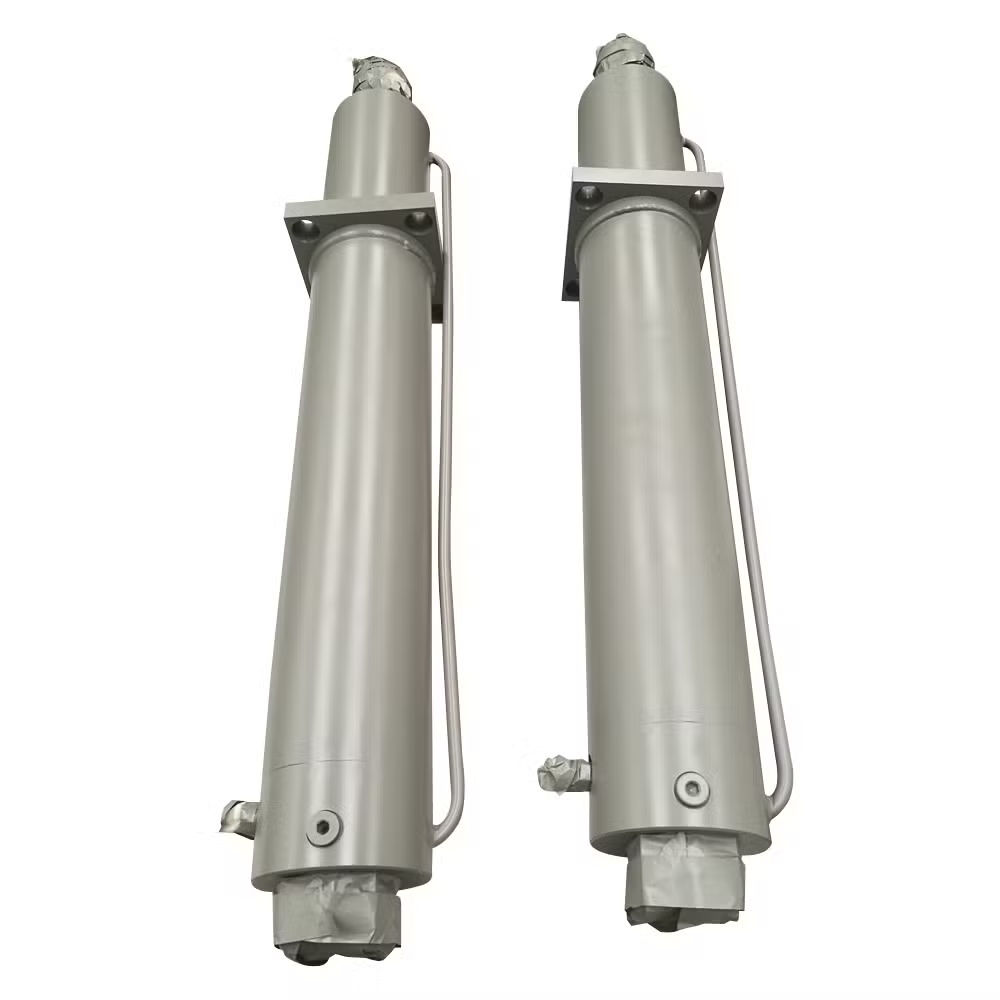
This article explores the key differences between single-acting and double-acting 5-stage telescopic hydraulic cylinders, examining how they extend and retract, their operational principles, and typical applications.

The stroke length of a 3-stage telescopic hydraulic cylinder is the total distance the cylinder can extend, calculated by summing the stroke lengths of each individual stage. This design allows for a long working reach while maintaining a compact retracted length, making it ideal for applications such as dump trucks, cranes, and other heavy equipment where space is limited.

Servicing hydraulic cylinders on wheel loaders demands strict safety measures to prevent crush injuries, fluid injection hazards, and uncontrolled movements. Always depressurize the system, support raised components, and wear proper PPE. Follow lockout procedures and check for residual pressure before disassembly.