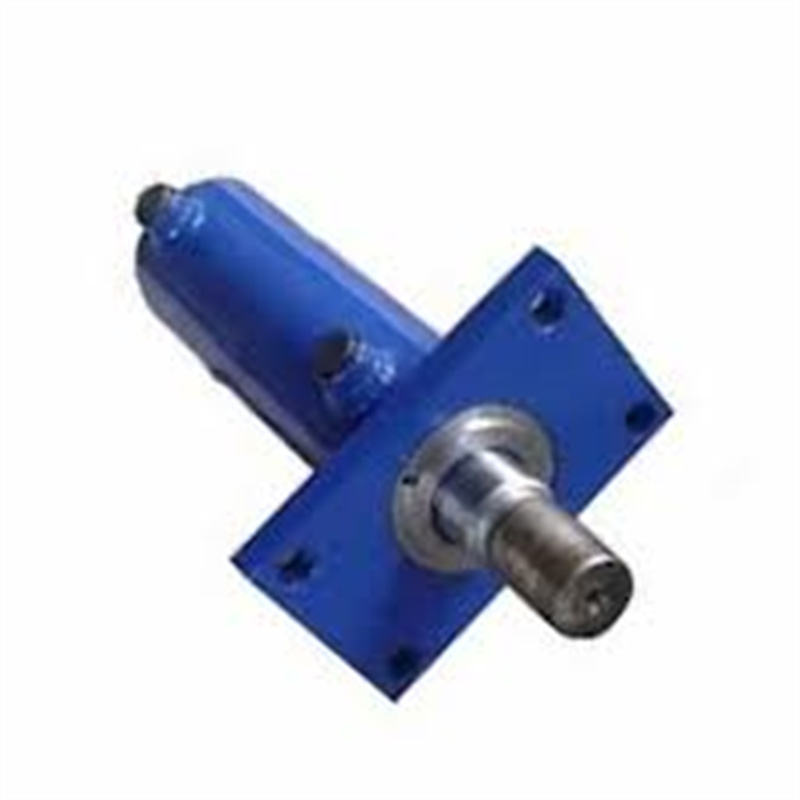
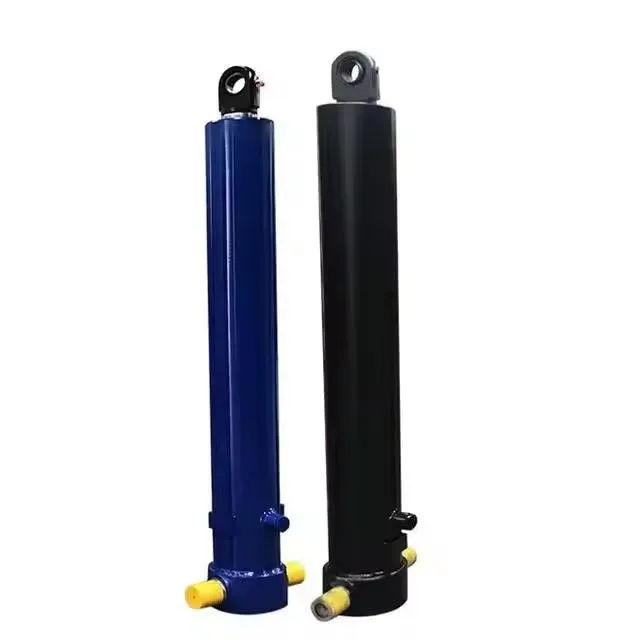
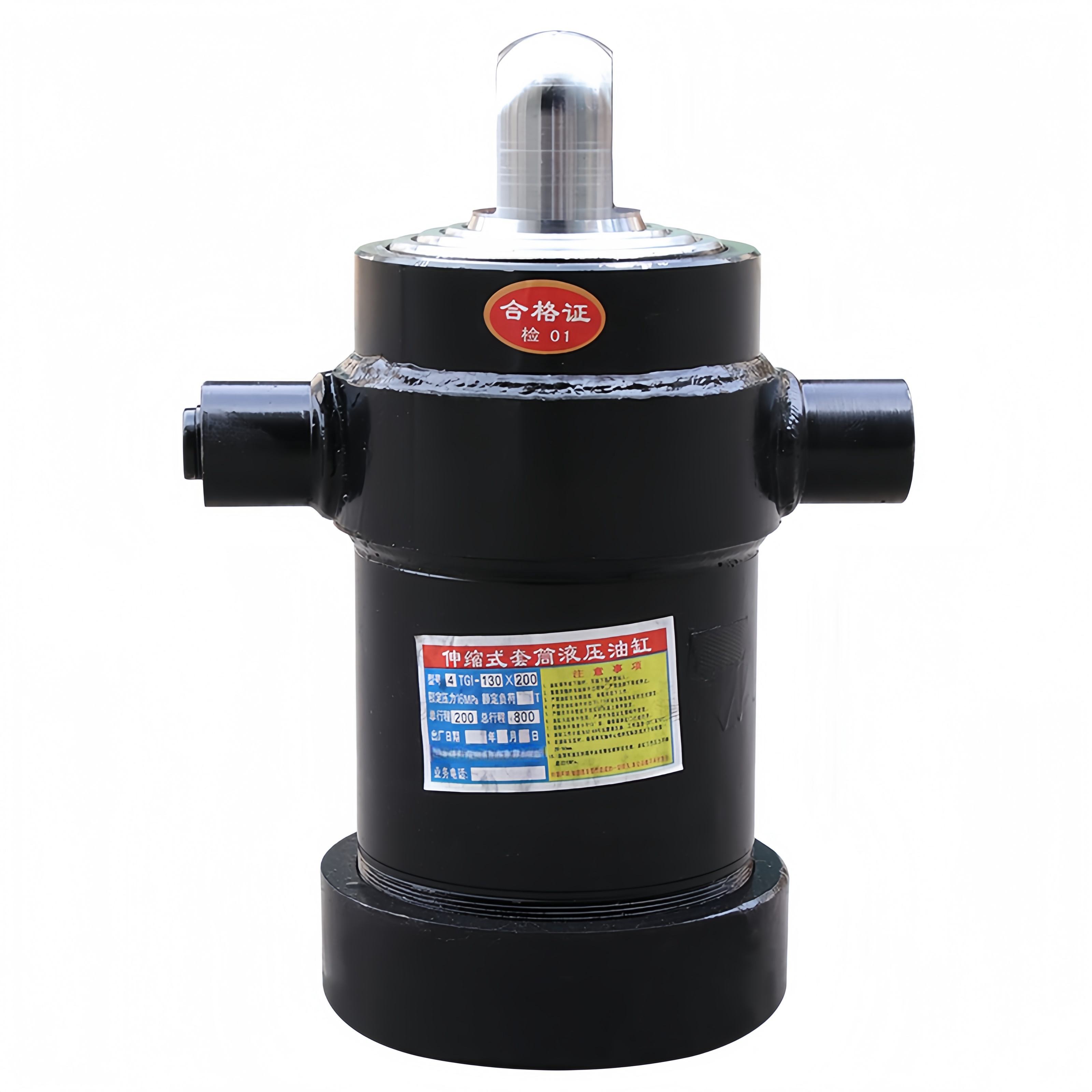
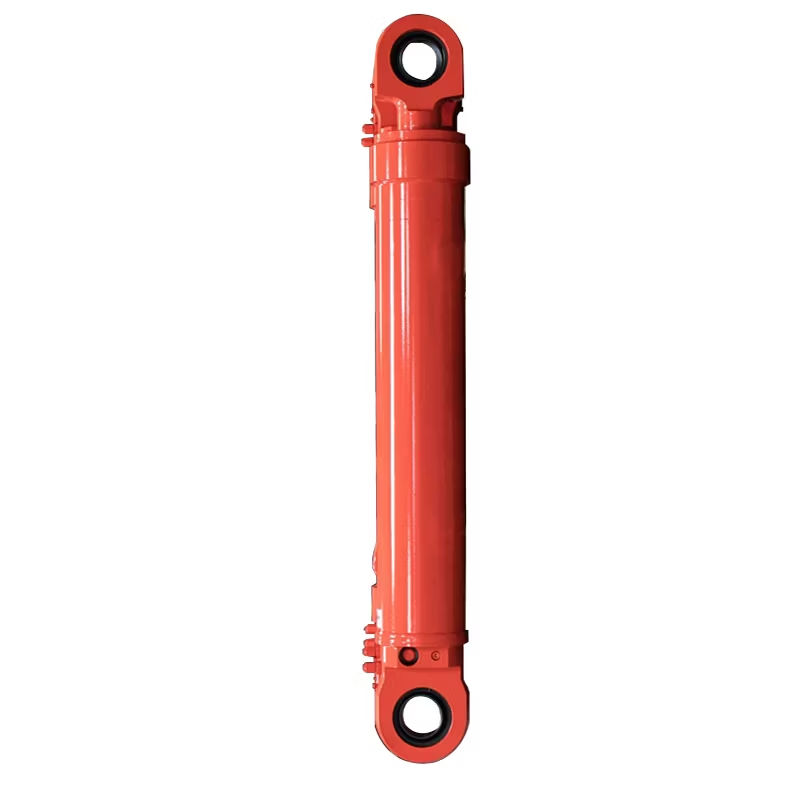
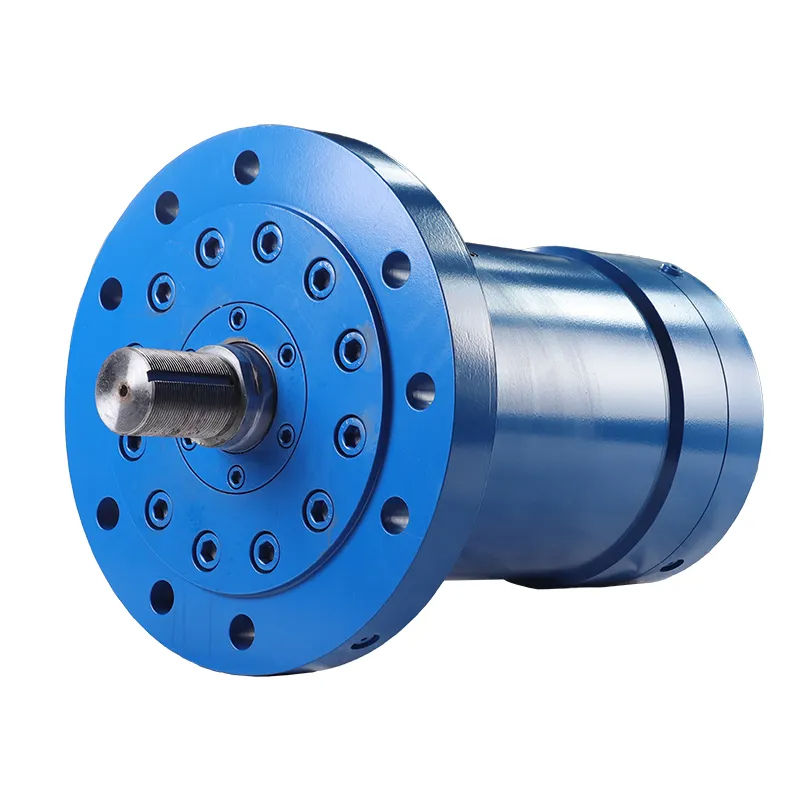
When you're in the market for a car crane, the heart of the lifting operation is its hydraulic cylinder. So, what are the specifications and capacity ratings for car crane hydraulic cylinders? This isn't just a technical question; it's the difference between a smooth, safe job and a costly, dangerous failure. Getting the right cylinder ensures your crane performs reliably under load, maximizing efficiency and safety on every site. This guide cuts through the complexity, providing clear, actionable information for procurement professionals who need to make informed, confident purchasing decisions.
The Critical Choice: Matching Cylinder Specs to Your Crane's Real-World Demands
Imagine this: your team is on a tight deadline to recover a vehicle. The crane is set up, but the lift is sluggish, or worse, the cylinder seal fails under pressure. This common headache often stems from a mismatch between the hydraulic cylinder's specifications and the actual job requirements. The core specs—bore diameter, rod diameter, stroke length, and operating pressure—directly dictate force output, speed, and stability. A cylinder with an undersized bore simply won't generate enough force, leading to stalled operations and potential safety risks.
The solution lies in precise calculation and selection. Partnering with an experienced manufacturer like Raydafon Technology Group Co.,Limited eliminates this guesswork. We analyze your crane model, typical load weights, and required lifting height to recommend the optimal cylinder. Don't just buy a generic part; get a engineered component designed for your specific application challenge.
Key Specifications for Common Car Crane Models:
Crane Capacity (Tons)
Typical Bore Diameter (mm)
Typical Rod Diameter (mm)
Standard Stroke Range (mm)
Standard Working Pressure (Bar)
3-5 Tons
80 - 100
45 - 56
800 - 1200
160 - 200
8-12 Tons
110 - 130
63 - 70
1200 - 1800
180 - 220
15-25 Tons
140 - 160
80 - 90
1500 - 2500
200 - 250
Decoding Capacity Ratings: From Nominal Tonnage to Safe Working Load
A major point of confusion for buyers is the difference between a cylinder's nominal capacity and the crane's safe working load (SWL). You might see a cylinder rated for "10 tons," but that rating depends on the system's operating pressure. Using it at a higher pressure could overload it, while a lower pressure wastes potential. The true capacity is a function of the bore area and the system pressure. Relying solely on a tonnage figure without understanding the underlying pressure spec is a recipe for inefficiency or equipment failure.
Raydafon Technology Group Co.,Limited provides clear, certified capacity ratings for every cylinder, detailing the exact pressure parameters. Our technical data sheets go beyond marketing numbers, giving you the engineering data needed to ensure compliance and safety. We help you translate catalog specs into real-world performance guarantees for your fleet.
Capacity Calculation & Rating Parameters:
Parameter
Description
Why It Matters for Procurement
Theoretical Force Output
Calculated as Pressure x Piston Area. The maximum force the cylinder can generate.
Determines if the cylinder can handle the crane's maximum rated load with a proper safety margin.
Safety Factor (SF)
Ratio of ultimate breaking strength to rated working load. Industry standard is often 2.5:1 or higher.
Indicates built-in safety overhead. A higher SF from a manufacturer like Raydafon means greater reliability and longer service life.
Certification (e.g., CE)
Independent verification of design and performance against international standards.
Provides legal and safety assurance, crucial for commercial operations and insurance.
Beyond Basic Specs: Material, Seals, and Durability Factors
Specifications and pressure ratings tell only half the story. Two cylinders with identical bore and stroke can have wildly different lifespans. The culprit? Inferior materials and seals. A cylinder made from tubing with inconsistent hardness or poor surface finish will wear rapidly. Standard seals might degrade quickly with temperature swings or contamination, leading to leaks and downtime. For procurement, the lowest upfront cost often leads to the highest total cost of ownership through frequent replacements.
Raydafon's manufacturing philosophy prioritizes durability. We use high-tensile strength, honed cylinder tubing and hard-chromed piston rods as standard. Our sealing solutions are selected for their resistance to extrusion, temperature, and various hydraulic fluids. This focus on quality components ensures our cylinders withstand harsh, repeated use, directly reducing your long-term maintenance costs and operational risks.
Durability & Material Specifications Comparison:
Component
Standard/Common Grade
Raydafon Premium Grade
Impact on Performance & Lifespan
Cylinder Barrel
Cold-drawn tubing, machined ID
Precision honed tubing, hardness 220-240 HB
Superior surface finish reduces seal and rod wear, prevents internal scoring.
Piston Rod
Mild steel, chrome plated (standard thickness)
High-strength alloy steel, hard chrome plated (40-50µm min)
Resists bending, abrasion, and corrosion. Thicker chrome plating lasts longer in gritty environments.
Seal Kits
Standard Nitrile (NBR) compounds
Multi-material kits (e.g., Polyurethane, Fluorocarbon for high-temp)
Wider operating temperature range, better resistance to fluid types and pressure spikes.
Expert Q&A: Your Top Questions on Car Crane Hydraulic Cylinders Answered
Q1: What are the most critical specifications and capacity ratings to verify when sourcing a car crane hydraulic cylinder?
A: Focus on three interconnected data points: Bore Diameter and Operating Pressure (which together determine the theoretical force), and the manufacturer's stated Safe Working Load (SWL) at that pressure. Always request the pressure-specific SWL rating, not just a tonnage. Verify the stroke length matches your crane's boom geometry for full range of motion. Finally, confirm the mounting style (clevis, trunnion, etc.) and dimensions for a direct fit. Reputable suppliers like Raydafon provide detailed datasheets with all this information, ensuring compatibility and performance.
Q2: How do I interpret "capacity ratings" for car crane hydraulic cylinders, and what safety margins should I look for?
A: Capacity ratings should indicate the maximum load the cylinder can safely handle under defined conditions (usually at a specific system pressure). The key is the design safety factor. A 10-ton cylinder with a 2.5:1 safety factor is built to withstand forces up to 25 tons before failure. Look for a minimum safety factor of 2.5:1; many quality manufacturers, including Raydafon Technology Group Co.,Limited, design to factors of 3:1 or higher for demanding applications. This margin accounts for dynamic loads, side forces, and material fatigue, ensuring long-term reliability and compliance with lifting equipment regulations.
Your Next Step: Partnering with a Specialist for Reliable Performance
Selecting the correct hydraulic cylinder is a technical investment in your equipment's safety, uptime, and productivity. Beyond just reading specs, it requires understanding how those specs interact with your real-world operating conditions. Raydafon Technology Group Co.,Limited brings decades of engineering expertise to this challenge. We don't just sell cylinders; we provide application-matched solutions backed by clear data, robust construction, and a commitment to quality that translates into fewer failures and lower total cost for your operations. Let's discuss your specific crane models and requirements to ensure you get the precise, durable component your work demands.
Ready to specify the right cylinder with confidence? Contact the experts at Raydafon today for detailed technical catalogs and personalized support.
For reliable and high-performance hydraulic cylinder solutions for your car cranes, partner with Raydafon Technology Group Co.,Limited. Explore our certified product range and engineering support at https://www.raydafon-pulleys.com. For specific inquiries and quotes, please email our sales team at [email protected].
Smith, J., & Doe, A. (2021). Fatigue Life Analysis of Hydraulic Cylinder Rods under Dynamic Lifting Conditions. Journal of Mechanical Engineering, 58(4).
Chen, L., et al. (2020). The Influence of Seal Material on Hydraulic Cylinder Leakage Rates in Variable Temperature Environments. Tribology International, 152.
Park, S., & Kim, H. (2019). Optimal Design of a Single-Acting Hydraulic Cylinder for Mobile Crane Applications Considering Buckling Load. International Journal of Precision Engineering and Manufacturing, 20(7).
Williams, R. (2018). Safety Factors and Certification Standards for Hydraulic Lifting Equipment. Proceedings of the Institution of Mechanical Engineers, Part C: Journal of Mechanical Engineering Science, 232(18).
Zhao, Y., & Zhang, W. (2017). Failure Mode Analysis of Hydraulic Cylinders in Recovery Vehicles. Engineering Failure Analysis, 82.
Johnson, M., et al. (2016). Effect of Cylinder Bore Surface Finish on Seal Wear and System Contamination. Wear, 364-365.
Kawasaki, T. (2015). High-Pressure Hydraulic Systems for Mobile Heavy Machinery: Design and Performance Considerations. Journal of Fluid Power, 16(2).
European Committee for Standardization. (2014). EN 13001-2:2014 - Cranes - General design - Part 2: Load actions. Brussels.
Lee, K., & Patel, V. (2013). Computational Fluid Dynamics Modeling of Pressure Spikes in Hydraulic Crane Circuits. Automation in Construction, 35.
Roberts, G. (2012). Corrosion Protection Methods for Hydraulic Piston Rods in Harsh Environments. Surface and Coatings Technology, 206(19-20).
We use cookies to offer you a better browsing experience, analyze site traffic and personalize content. By using this site, you agree to our use of cookies.Privacy Policy