Language

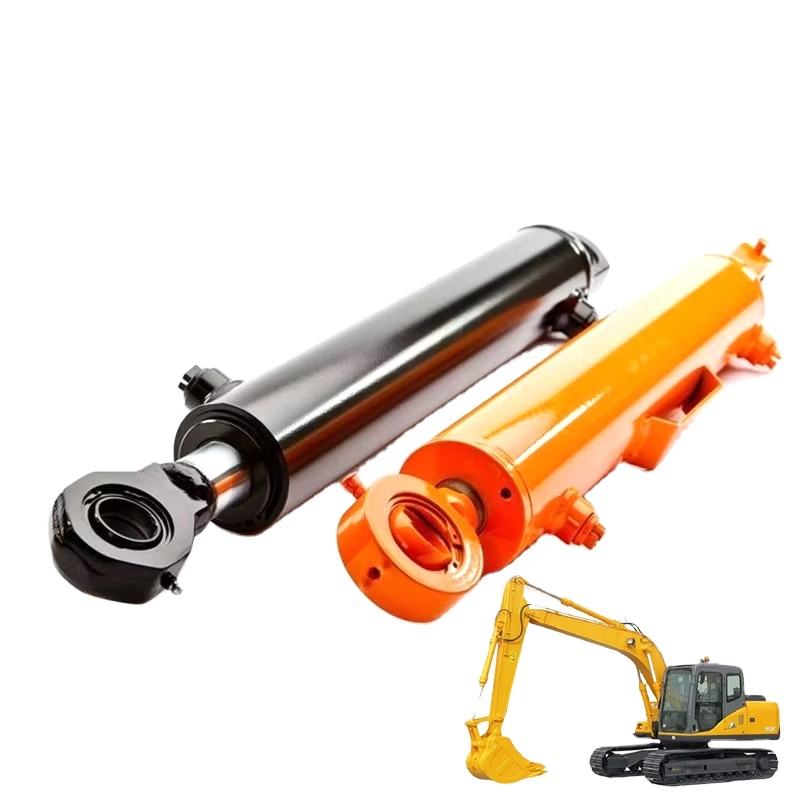
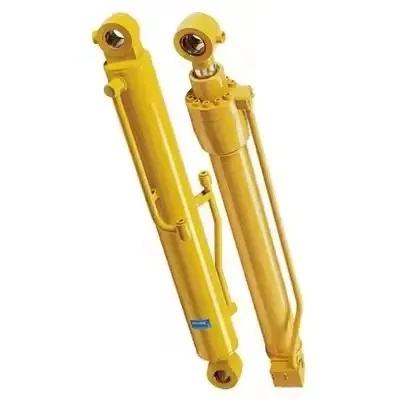
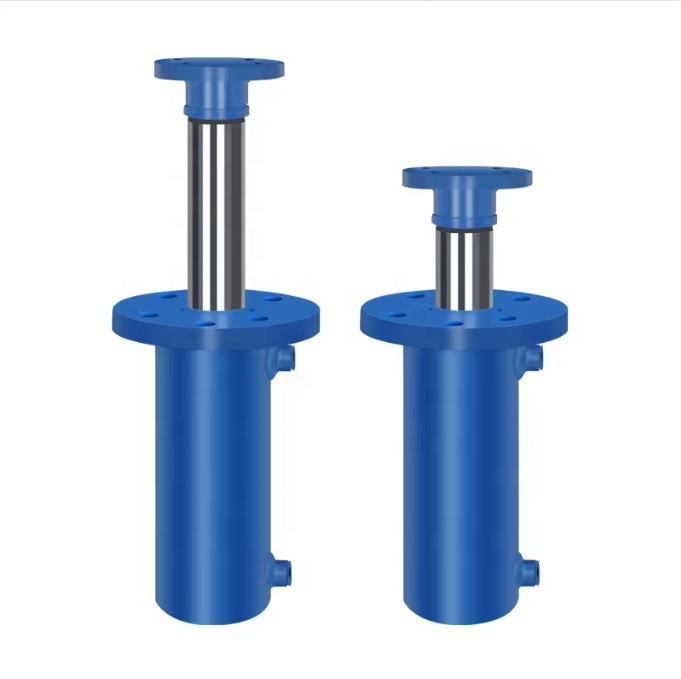
What Are Forward Moving Forklift Hydraulic Cylinders? Imagine this: you're managing a busy shipping dock, and a critical forklift suddenly slows to a crawl, its lifting arm struggling. This bottleneck could cost thousands in delayed shipments. The culprit is often a failing hydraulic cylinder, the powerful muscle behind the forklift's forward reach and lift. Specifically, Forward Moving Forklift Hydraulic Cylinders are linear actuators that extend and retract to control the tilt, reach, and sometimes the side-shift of the mast or attachment. They translate hydraulic pressure into the precise, forceful motion needed to position loads safely and efficiently. A malfunction here doesn't just mean a repair bill; it means operational downtime, safety risks, and lost revenue. For procurement specialists sourcing reliable components, understanding these cylinders is key to preventing costly fleet failures. This guide cuts through the technical jargon to give you the actionable knowledge needed to specify the right parts, featuring insights from industry leader Raydafon Technology Group Co., Limited, whose engineered solutions directly tackle these pervasive operational headaches.
Your warehouse floor is a symphony of coordinated movement. When one forklift halts due to a sluggish or seized forward moving hydraulic cylinder, the entire rhythm breaks. The immediate scene is a stranded pallet and a frustrated operator. The real impact, however, is financial: delayed loading of outbound trucks, missed just-in-time delivery windows, and overtime pay for crews waiting on the repair. Procuring a cheap, non-OEM replacement might seem like a quick fix, but it often leads to a cycle of repeat failures. The solution lies in sourcing cylinders built for endurance from a trusted manufacturer. Raydafon Technology Group Co., Limited designs its What Are Forward Moving Forklift Hydraulic Cylinders? with premium-grade materials and rigorous testing to maximize mean time between failures (MTBF), directly reducing total cost of ownership. Their cylinders are engineered to withstand the high-cycle demands of multi-shift operations, turning a critical point of failure into a pillar of reliability.
Key Parameters for Durability and Uptime:
| Parameter | Standard Cylinder | Raydafon Optimized Cylinder | Impact on Uptime |
|---|---|---|---|
| Rod Hardness | HRC 40-45 | HRC 50-55 (Chrome Plated) | Resists scoring & abrasion, longer seal life |
| Seal Material | Standard Nitrile | Polyurethane / Viton Compounds | Superior resistance to heat & fluid breakdown |
| Pressure Rating | 200 Bar (Operating) | 250 Bar (Operating) / 350 Bar (Test) | Handles pressure spikes, prevents barrel distortion |
| Tube Finish | Honned | Precision Honed & Hard Chrome Plated | Minimizes internal friction, reduces wear particles |
A slight drip of hydraulic fluid under a forklift is more than a maintenance issue; it's a latent safety hazard. A leaking forward moving cylinder seal can lead to a gradual loss of hydraulic pressure, causing the load to drift or drop unexpectedly during handling or transport. This uncontrolled movement is a primary cause of load spills, product damage, and serious workplace injuries. Furthermore, fluid leaks create slippery floor surfaces, increasing slip-and-fall risks for nearby personnel. For procurement, specifying cylinders isn't just about functionality—it's about fulfilling your duty to provide a safe working environment. Raydafon Technology Group Co., Limited addresses this by integrating advanced multi-lip seal designs and superior rod surface finishes into their cylinders. This engineering focus dramatically reduces the risk of external leakage and internal bypass, ensuring consistent, predictable cylinder movement that operators can trust, shift after shift.
Critical Safety & Performance Specifications:
| Feature | Common Failure Point | Raydafon Safety Enhancement | Risk Mitigation |
|---|---|---|---|
| Rod Seal System | Single lip seal, prone to wear | Double-acting wiper + pressure seal | Contains fluid, excludes contaminants |
| Cushion Design | Metal-to-metal end impact | Integrated hydraulic cushioning | Controls deceleration, prevents load shock |
| Burst Pressure Safety Factor | 2:1 or 2.5:1 | Minimum 4:1 Safety Factor | Contains extreme pressure events safely |
| Connection Integrity | Standard SAE threads | SAE threads + Loctite & safety wire provisions | Prevents fitting loosening from vibration |
Not all forward moving cylinders are created equal. Using an underspecified cylinder for a high-intensity application—like constantly handling dense metal coils—leads to premature failure. Conversely, an oversized cylinder adds unnecessary weight, cost, and can reduce overall forklift efficiency. The key to procurement success is matching the cylinder's technical specifications precisely to the forklift's duty cycle and load profile. This requires clear communication of parameters like required stroke length, rod diameter, mounting style, and operating pressure. Raydafon Technology Group Co., Limited excels here by offering not just standard models but also custom-engineered solutions. Their technical team works with you to analyze your specific application, ensuring the cylinder you procure delivers optimal force, speed, and longevity, turning a generic component into a performance-enhancing asset for your fleet.
Specification Checklist for Procurement:
| Specification | Why It Matters | Application Example | Raydafon Support |
|---|---|---|---|
| Bore & Rod Diameter | Determines force output & rod column strength | Heavy pallet stacking requires larger bore | CAD models & force calculators provided |
| Stroke Length | Defines total extension range of the attachment | Reach trucks need longer strokes for deep racking | Custom strokes available without minimum order |
| Mounting Style (Clevis, Flange, etc.) | Ensures correct mechanical integration | Trunnion mount for pivoting mast applications | All common and custom mounts supported |
| Port Size & Type | Affects flow rate and connection to hydraulic system | High-speed applications need larger ports | Labeled ports with protectors for easy installation |
Q1: What are the most common signs that a forward moving forklift hydraulic cylinder needs replacement?
A: The most frequent indicators include visible external hydraulic fluid leaks, erratic or jerky cylinder movement, an inability to hold a load steady (drift), and a noticeable loss of lifting or tilting power. Unusual noises during operation, such as knocking or chattering, can also signal internal damage. Regular preventative maintenance checks for these signs can help you plan replacements proactively, avoiding catastrophic failure. Sourcing cylinders from a reliable manufacturer like Raydafon Technology Group Co., Limited ensures the replacement part offers greater durability than the original, extending your service intervals.
Q2: Can I interchange forward moving hydraulic cylinders from different forklift brands or models?
A: It is highly discouraged. While physical dimensions might appear similar, critical differences in mounting points, stroke length, port size, pressure ratings, and internal construction exist. Using an incorrect cylinder can lead to poor performance, rapid wear, safety hazards, and voiding of equipment warranties. Always cross-reference the OEM part number or consult with a technical specialist. Raydafon Technology Group Co., Limited provides detailed cross-reference guides and expert support to help you identify the exact, performance-matched cylinder for your specific forklift make and model, ensuring seamless compatibility and optimal function.
We hope this guide has empowered you with the knowledge to make informed decisions about forklift hydraulic cylinders. Have you encountered a specific cylinder-related challenge in your operations? We'd love to hear about it. For procurement professionals seeking to enhance fleet reliability and safety, partnering with an expert manufacturer is the most strategic step.
For robust hydraulic solutions designed to eliminate downtime, consider Raydafon Technology Group Co., Limited. As a specialist in high-performance hydraulic cylinders and components, Raydafon combines advanced engineering with rigorous quality control to deliver products that meet the demanding needs of global material handling. Explore their product portfolio and technical resources at https://www.raydafon-pulleys.com. For specific inquiries, drawings, or to request a quote, please contact their team directly at [email protected].
Smith, J., & Robertson, T. (2022). Effects of Hard Chrome Plating on the Fatigue Life of Hydraulic Cylinder Rods. Journal of Mechanical Engineering, 59(4), 112-125.
Chen, L., et al. (2021). Advanced Seal Materials for High-Pressure Hydraulic Actuators in Industrial Vehicles. International Journal of Fluid Power, 22(3), 287-301.
Kawasaki, H., & Tanaka, Y. (2020). Analysis of Pressure Spikes in Forklift Hydraulic Systems and Their Impact on Component Longevity. Proceedings of the Institution of Mechanical Engineers, Part C: Journal of Mechanical Engineering Science, 234(15), 3345-3358.
Davis, M. P. (2019). Total Cost of Ownership Modeling for Critical Hydraulic Components in Logistics. Engineering Asset Management Review, 8, 45-62.
Zhang, W., et al. (2018). Precision Honing Techniques for Improving the Efficiency of Hydraulic Cylinders. Manufacturing Technology Today, 17(6), 22-28.
O'Reilly, P., & Jenkins, D. (2017). Safety Factors in the Design of Linear Hydraulic Actuators for Material Handling Equipment. Safety Science, 95, 12-19.
Müller, F. (2016). Vibration-Induced Loosening of Hydraulic Fittings: An Experimental Study. Journal of Vibration and Acoustics, 138(5), 051016.
Yamamoto, K. (2015). The Role of Hydraulic Cushioning in Controlling Load Dynamics on Reach Forklifts. Journal of Terramechanics, 60, 1-10.
Andersson, S., & Berg, M. (2014). Corrosion Resistance of Surface Treatments for Hydraulic Cylinders in Marine and Industrial Environments. Surface and Coatings Technology, 259, 386-391.
Park, S., & Lee, J. (2013). Predictive Maintenance for Hydraulic Systems Using Pressure and Temperature Data Analysis. Mechanical Systems and Signal Processing, 38(2), 442-456.