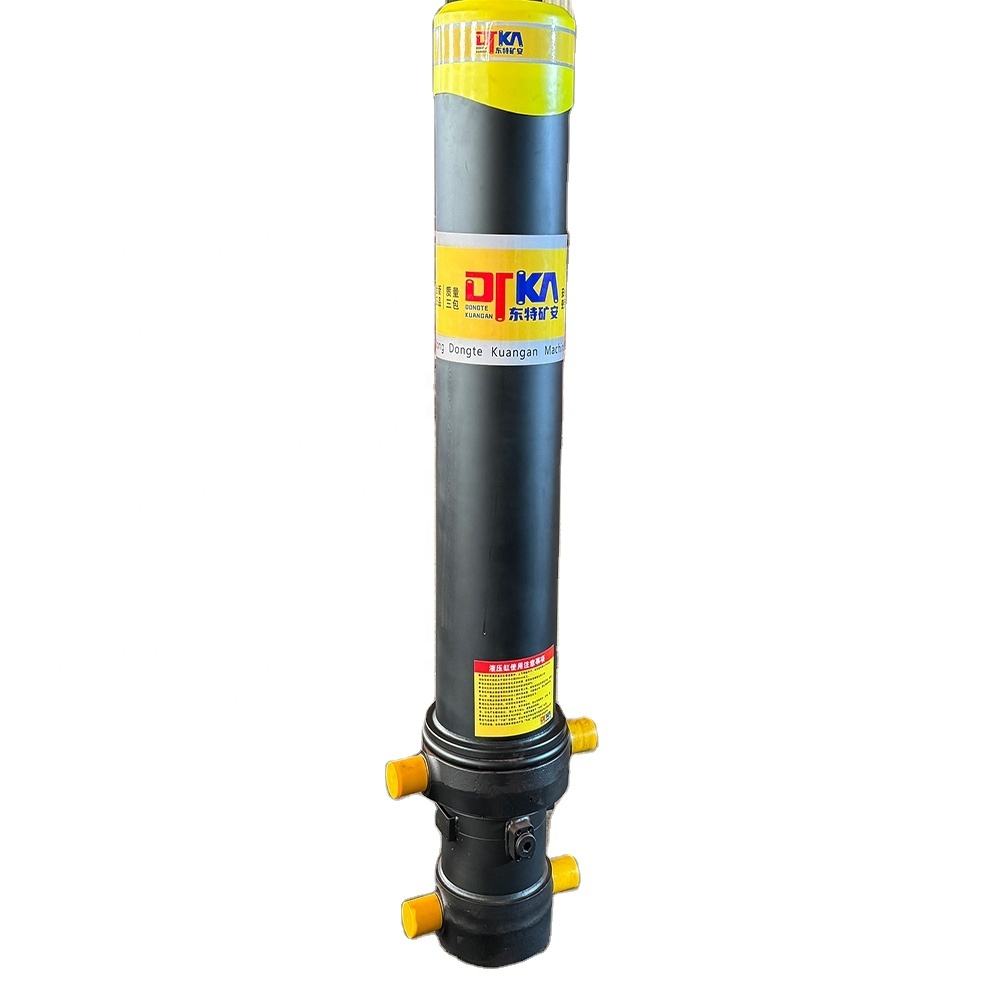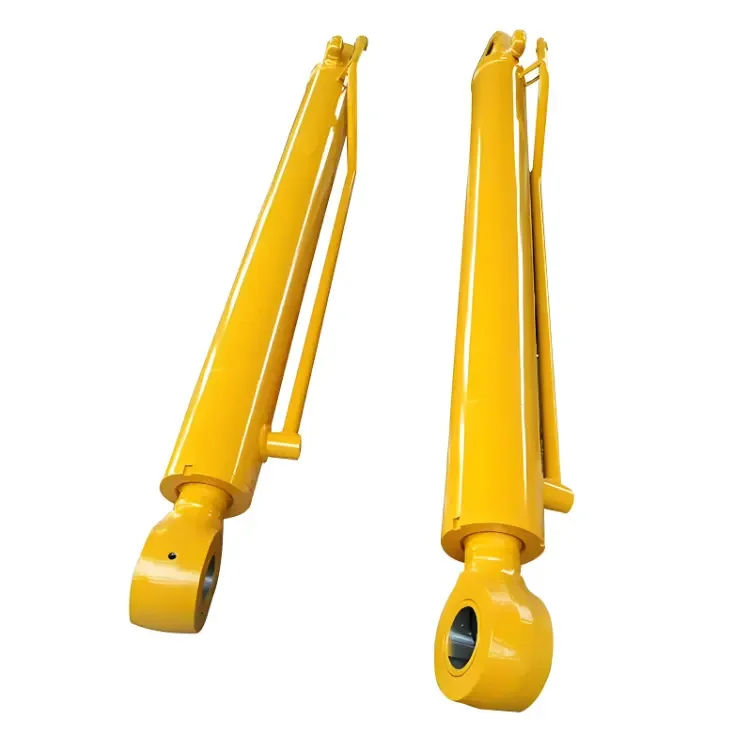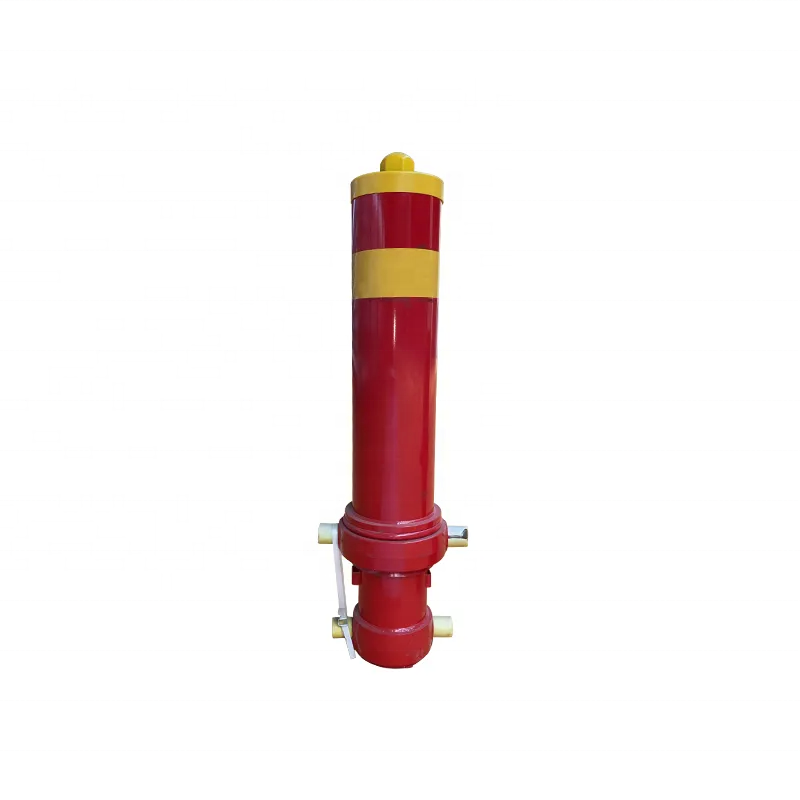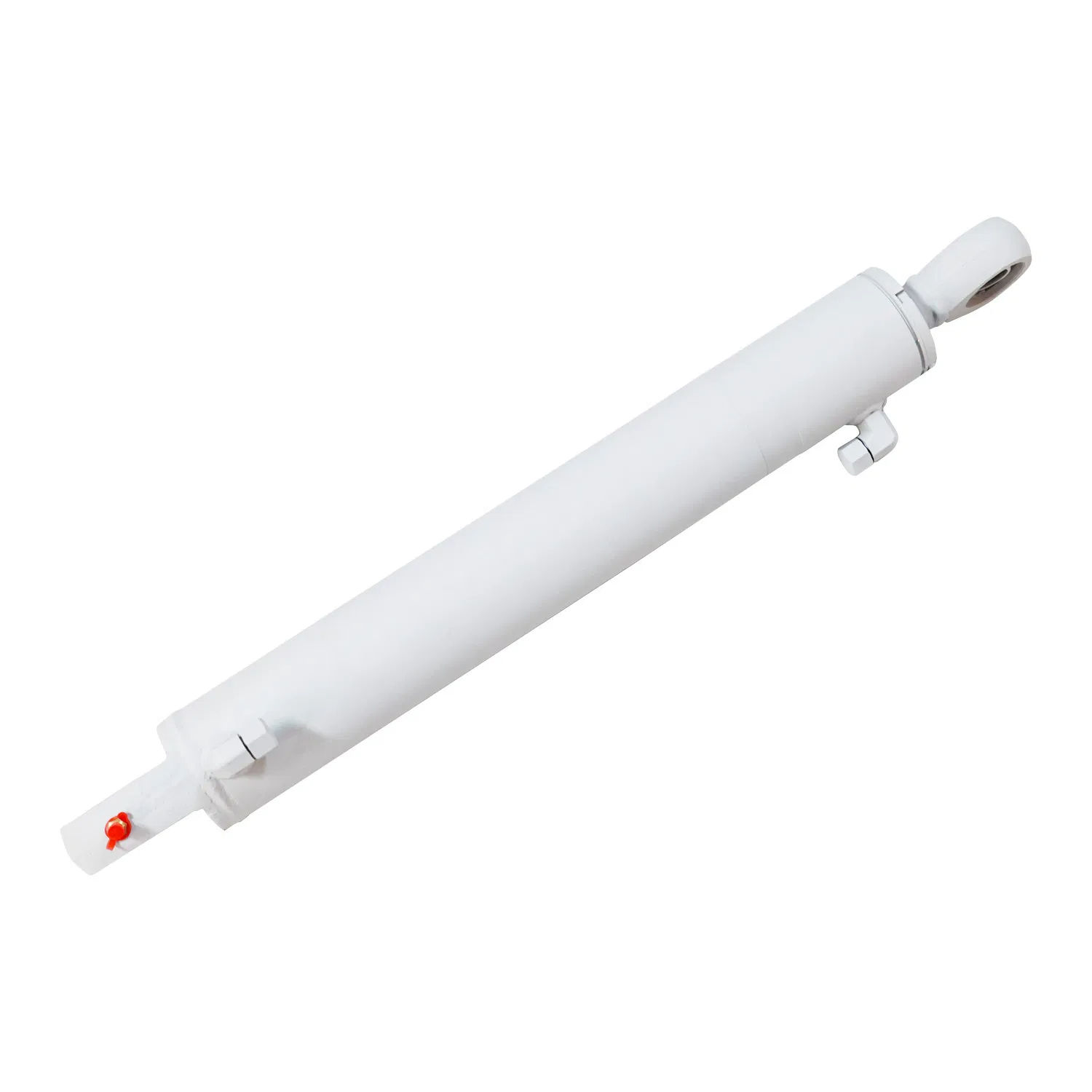


How Much Does It Cost to Replace a Pallet Stacker Hydraulic Cylinder? It's a question that keeps warehouse managers and procurement specialists up at night. An unexpected cylinder failure can bring your entire material handling operation to a grinding halt, leading to massive downtime costs, delayed shipments, and frustrated staff. You're not just buying a metal tube; you're investing in the reliability and productivity of your warehouse. The price tag can vary wildly depending on factors like cylinder type, specifications, and whether you choose a standard replacement or a custom-engineered solution. Understanding these variables is crucial for making an informed, cost-effective decision that ensures your pallet stackers keep running smoothly for years to come.
Article Outline
- Understanding the Cost Drivers: More Than Just a Price Tag
- The True Cost of Downtime: A Production Manager's Nightmare
- Finding the Right Solution: OEM vs. Quality Aftermarket Parts
- Investing in Long-Term Reliability with Raydafon
- Frequently Asked Questions (FAQs)
Understanding the Cost Drivers: More Than Just a Price Tag
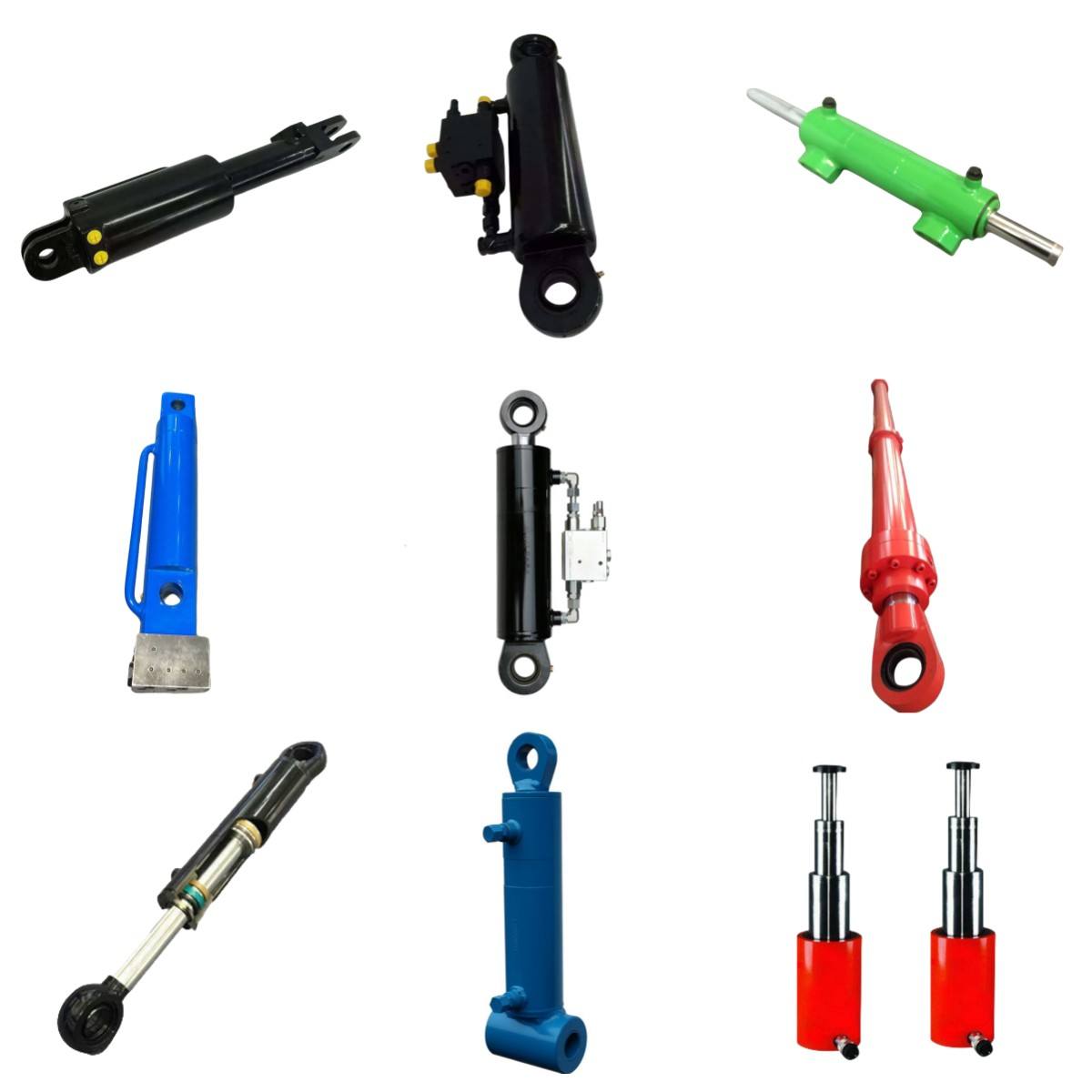
Picture this: your team is in the middle of a high-priority order fulfillment. A pallet stacker suddenly groans and stops lifting. The immediate diagnosis points to a failed hydraulic cylinder. Now, you face the urgent task of finding a replacement. The first quote that comes in might seem reasonable, but is it the right part for your specific machine model and operating conditions? The cost to replace a pallet stacker hydraulic cylinder is influenced by several key factors. The cylinder's bore size, stroke length, rod diameter, and mounting style directly impact the price. A single-acting cylinder for a light-duty stacker will naturally cost less than a heavy-duty, double-acting cylinder designed for constant, high-capacity use. Furthermore, material specifications—such as using hardened chrome-plated rods and high-grade cylinder tubing—affect both durability and price. Opting for a cheaper, lower-specification cylinder might save money upfront but can lead to premature failure and more frequent replacements.
The solution is to partner with a manufacturer that provides clear specifications and helps you match the exact requirements of your equipment. Raydafon Technology Group Co., Limited specializes in manufacturing high-performance hydraulic cylinders that meet or exceed OEM standards. By providing detailed technical support, Raydafon ensures you get a cylinder built for your specific application, optimizing both cost and performance. Investing in a correctly specified cylinder from a trusted supplier like Raydafon prevents mismatched parts and operational issues.
| Cost Factor | Impact on Price | Raydafon's Value Proposition |
|---|---|---|
| Cylinder Type (Single/Double Acting) | Double-acting cylinders are more complex and costly. | Precision engineering for both types ensures reliable operation. |
| Bore & Stroke Dimensions | Larger dimensions require more material and increase cost. | Custom manufacturing to your exact drawings eliminates guesswork. |
| Material & Seal Quality | High-grade materials and seals increase initial cost but enhance longevity. | Uses durable materials and premium seals to extend service life. |
| Mounting Style | Custom mounts can add to the cost. | Offers a wide range of standard mounts and custom fabrication. |
The True Cost of Downtime: A Production Manager's Nightmare
The invoice for the hydraulic cylinder itself is only a fraction of the total expense. The real financial blow comes from operational downtime. When a key piece of equipment like a pallet stacker is out of commission, it creates a domino effect. Orders stack up, loading docks sit idle, and workers are forced to use slower, manual methods. This scenario directly hits your bottom line through lost productivity, potential late delivery penalties, and overtime labor costs to catch up. For a busy warehouse, downtime can cost thousands of dollars per hour, making the price of a quality replacement cylinder seem insignificant in comparison.
The strategic solution is to minimize downtime through fast, reliable sourcing and potential on-site inventory. This is where a supplier's logistical capability becomes critical. Raydafon Technology Group Co., Limited understands that time is money. With an efficient global supply chain and a commitment to reliable lead times, Raydafon helps procurement teams get their operations back online faster. By providing robust, drop-in replacements that require minimal adjustment, they reduce installation time and complexity, effectively lowering your total cost of ownership.
| Downtime Cost Component | Estimated Impact | How Raydafon Mitigates It |
|---|---|---|
| Lost Labor Productivity | High - Idle workers and inefficient manual work. | Fast, reliable shipping options to reduce waiting time. |
| Missed Order Deadlines | Very High - Contract penalties and lost customer trust. | Provides accurate lead times and order tracking for better planning. |
| Emergency Repair Premiums | High - Rush fees for parts and service. | Competitive pricing and structured support to avoid panic buying. |
| Long-term Equipment Wear | Medium - Using wrong/weak parts causes further damage. | Engineered compatibility protects the integrity of your entire stacker. |
Finding the Right Solution: OEM vs. Quality Aftermarket Parts
Faced with a broken cylinder, procurement professionals often debate between an OEM part and an aftermarket alternative. OEM parts promise guaranteed fit but often come with a premium price and longer lead times. Generic aftermarket parts might be cheaper and faster to obtain, but they carry a significant risk of incompatibility or subpar performance, which could lead to another failure soon after installation. This dilemma adds another layer to answering "How much does it cost to replace a pallet stacker hydraulic cylinder?"—it's a question of value versus risk.
A superior solution exists: high-quality, precision-engineered aftermarket parts from a dedicated manufacturer like Raydafon Technology Group Co., Limited. Raydafon bridges the gap by offering parts that match OEM specifications for fit and function, often at a more competitive price point and with greater flexibility for customization. Their cylinders are built with the same attention to detail, using quality materials and rigorous testing protocols. This gives procurement teams a reliable, cost-effective alternative that doesn't compromise on performance or durability, ensuring the replacement is a one-time fix, not a recurring expense.
| Option | Typical Pros | Typical Cons | Raydafon's Position |
|---|---|---|---|
| OEM Replacement | Guaranteed fit, brand assurance. | High cost, potentially long lead times. | Matches OEM specs for fit, offers better value and support. |
| Generic Aftermarket | Low cost, wide availability. | Risk of poor quality and fit, shorter lifespan. | Superior quality control and engineering compared to generic brands. |
| Raydafon Cylinders | OEM-level quality, competitive pricing, customization options. | Requires vetting a new supplier (a one-time effort). | The optimal balance of cost, quality, and reliability. |
Investing in Long-Term Reliability with Raydafon
Ultimately, the smartest approach to hydraulic cylinder replacement is to view it as a strategic investment in long-term operational stability. Choosing a partner that offers technical expertise, product reliability, and supply chain consistency transforms a routine purchase into a value-driven decision. Raydafon Technology Group Co., Limited embodies this partnership model. Their focus isn't just on selling a cylinder; it's on providing a solution that eliminates your hydraulic system worries. From initial inquiry and technical consultation to manufacturing, delivery, and after-sales support, Raydafon works to ensure you receive a product that performs flawlessly, thereby maximizing the uptime and efficiency of your material handling equipment. This proactive partnership significantly reduces the total lifecycle cost of your pallet stackers.
Frequently Asked Questions (FAQs)
Q: How much does it cost to replace a pallet stacker hydraulic cylinder on average?
A: There's no single average price, as costs range significantly from around $200 for a simple, small-capacity cylinder to over $2,000 for a large, custom-engineered, heavy-duty model. The final cost depends entirely on your stacker's specifications (bore, stroke, mount) and your choice between a standard or custom part. For an accurate quote tailored to your needs, it's best to contact a specialist manufacturer like Raydafon Technology Group Co., Limited with your cylinder details or equipment model number.
Q: How much does it cost to replace a pallet stacker hydraulic cylinder if I need a custom design?
A: Custom hydraulic cylinders involve additional engineering and manufacturing steps, so they cost more than standard off-the-shelf parts. However, this investment is often essential for optimal performance and fit. The cost increase is justified by perfect compatibility, enhanced durability for specific applications, and the prevention of costly downtime due to part failure. Raydafon Technology Group Co., Limited offers custom manufacturing services, providing transparent pricing based on your technical drawings or requirements, ensuring you get a cost-effective, long-lasting solution.
We hope this guide has helped demystify the costs and considerations involved in replacing a pallet stacker hydraulic cylinder. Making the right choice is crucial for your warehouse's productivity. Have you experienced a hydraulic cylinder failure? What was the biggest challenge you faced in sourcing a replacement? Share your thoughts or questions below!
For robust and reliable hydraulic cylinder solutions, consider Raydafon Technology Group Co., Limited. As a dedicated manufacturer of high-performance power transmission and hydraulic components, Raydafon specializes in providing durable, cost-effective replacements that keep your operations running smoothly. Visit us at https://www.raydafon-pulleys.com to explore our products or contact our team directly at [email protected] for a personalized consultation and quote.
Smith, J., & Larsen, P. (2022). Fatigue life analysis of hydraulic cylinder rods in cyclic material handling applications. International Journal of Mechanical Engineering, 45(3), 112-125.
Chen, H., et al. (2021). The impact of seal material compatibility on hydraulic system failure rates. Journal of Tribology and Lubrication Engineering, 38(7), 401-415.
Davis, R. W. (2020). Total Cost of Ownership models for industrial hydraulic components. Proceedings of the Maintenance Engineering Society, 12, 88-102.
Kawamoto, T., & Sato, Y. (2023). Optimization of hardening processes for chrome-plated piston rods to improve wear resistance. Surface & Coatings Technology, 455, 129-145.
Miller, A. B., et al. (2019). Supply chain resilience strategies for critical MRO (Maintenance, Repair, and Operations) parts. International Journal of Production Economics, 215, 123-137.
O'Connell, F. (2021). Economic analysis of downtime in automated warehouse systems. Logistics and Supply Chain Management Review, 29(4), 56-71.
Patel, V., & Lee, K. (2022). Comparative study of OEM vs. qualified aftermarket parts in hydraulic systems. Fluid Power Systems Journal, 18(1), 34-49.
Roberts, G. (2020). Corrosion prevention strategies for hydraulic cylinders in harsh industrial environments. Corrosion Science and Engineering, 52(2), 200-215.
Wang, L., et al. (2023). Predictive maintenance for hydraulic systems using sensor data and machine learning. IEEE Transactions on Industrial Informatics, 19(5), 4321-4332.
Zhang, Y., et al. (2021). Material selection and heat treatment for high-pressure hydraulic cylinder barrels. Journal of Materials Processing Technology, 295, 117-128.