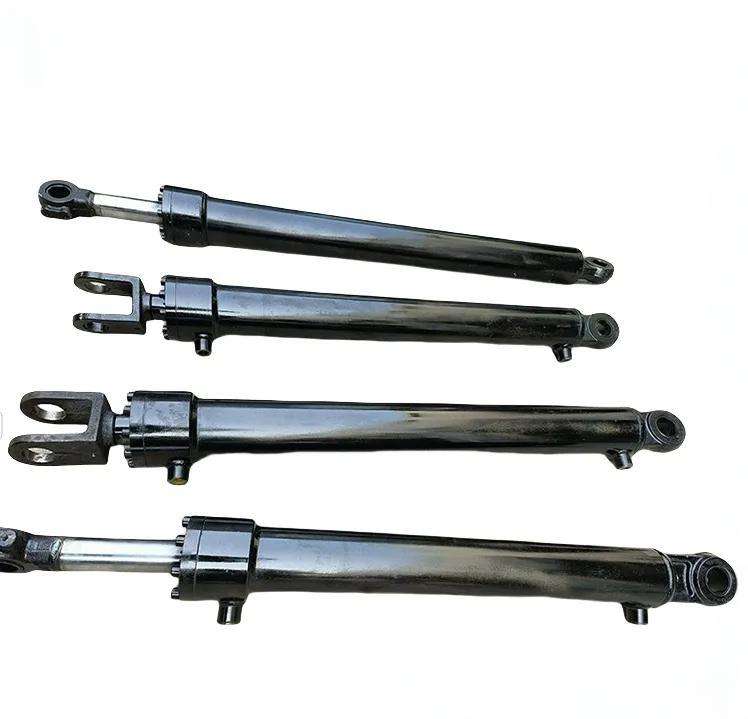
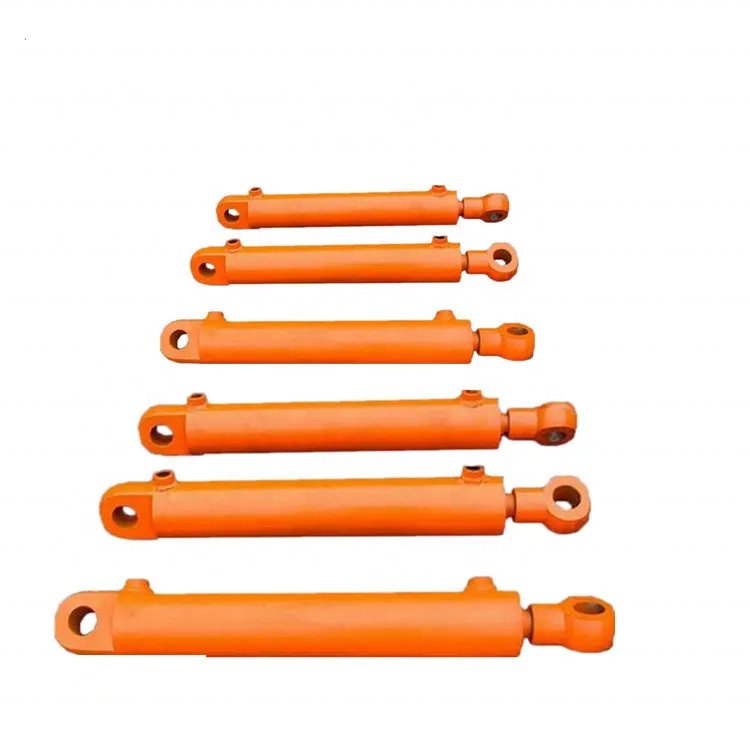
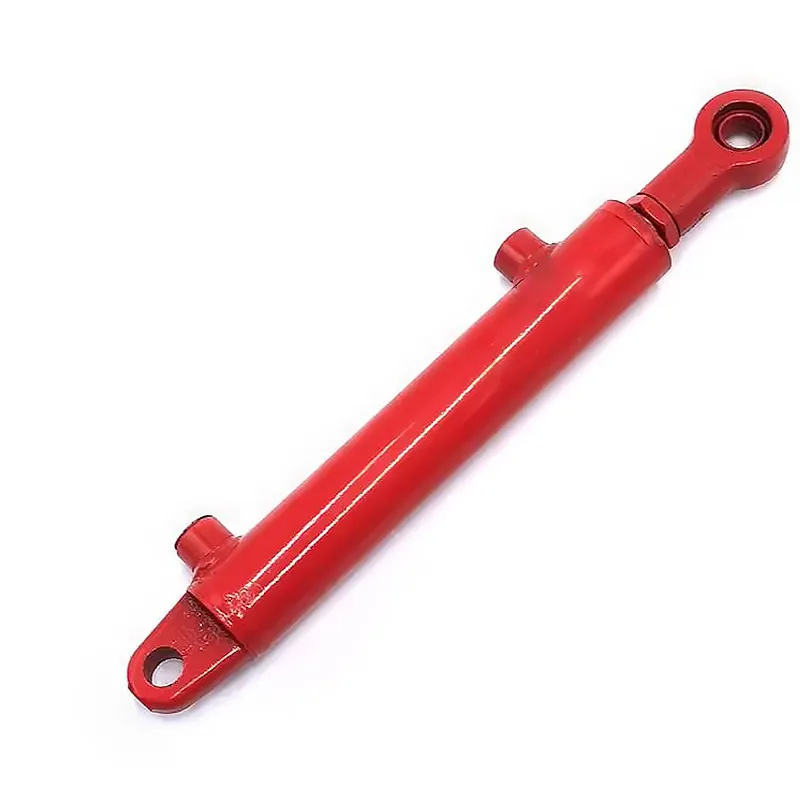
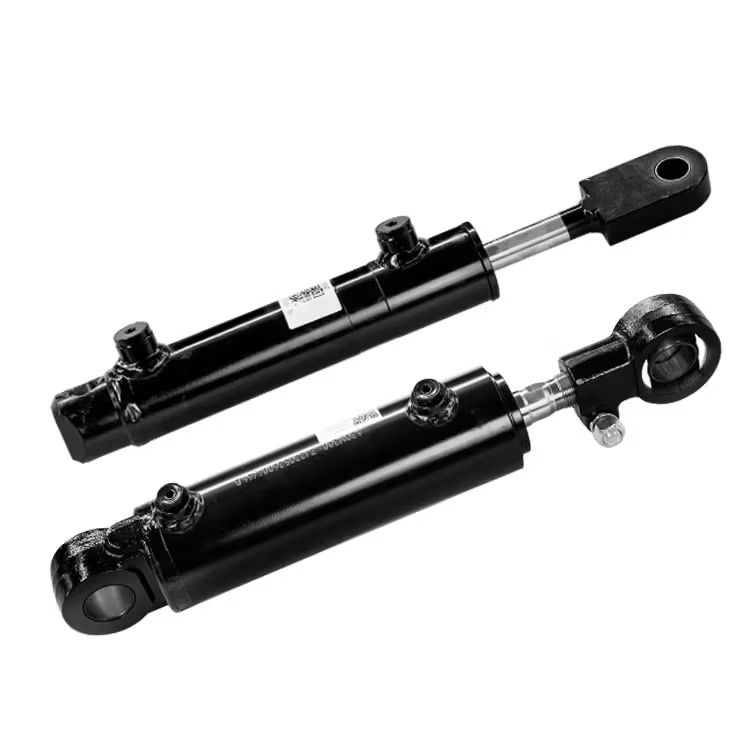
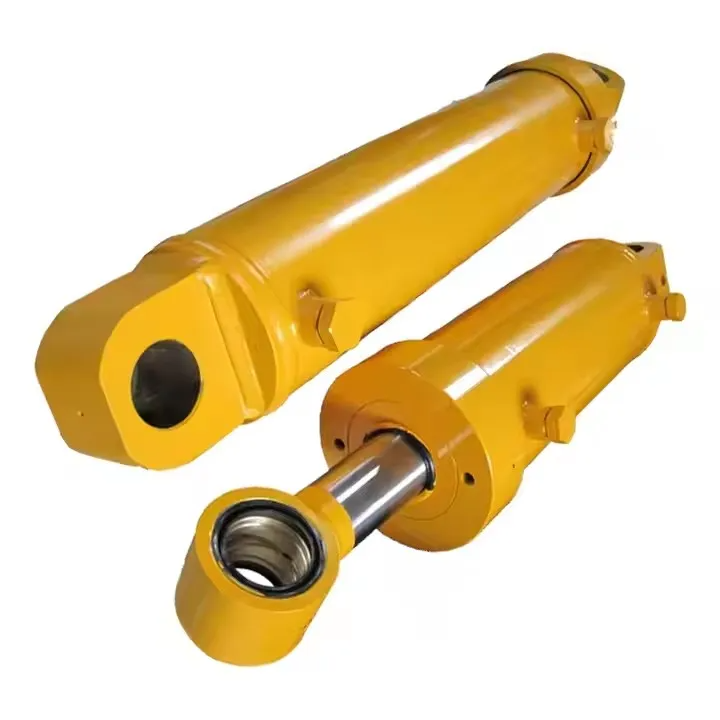
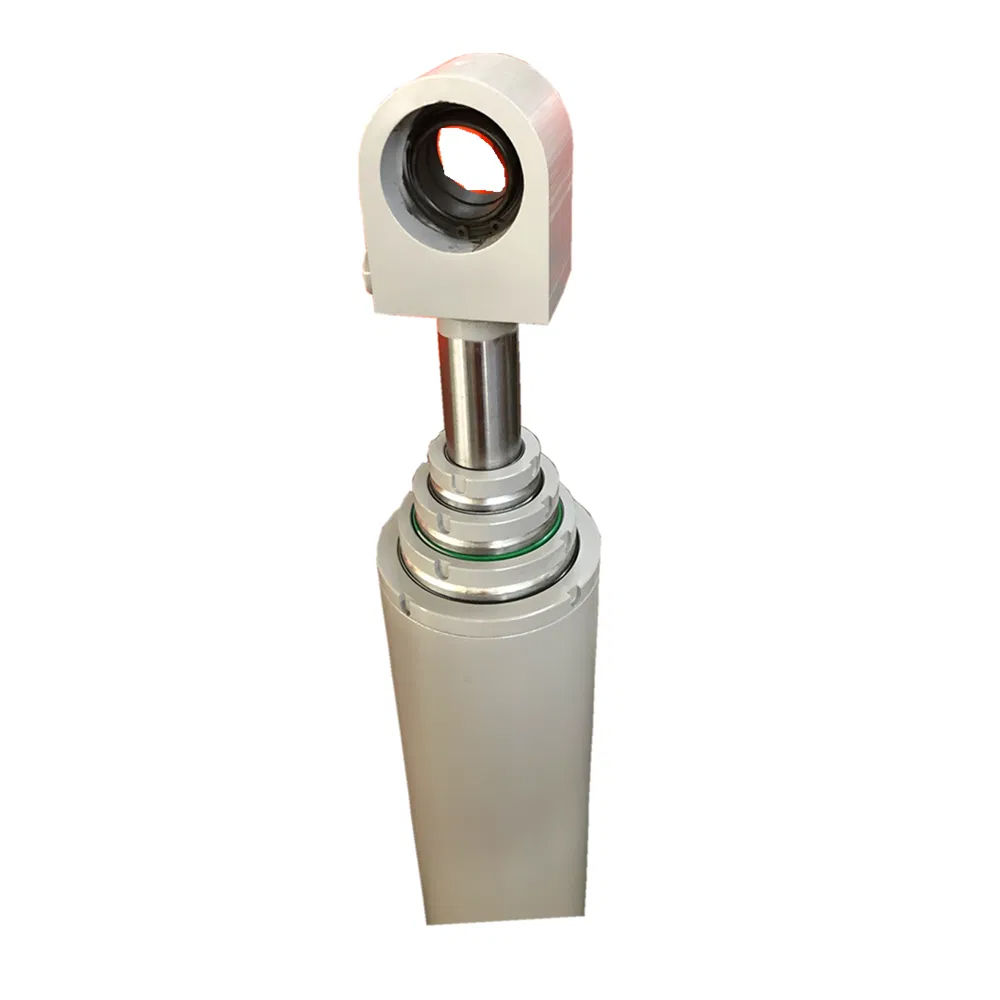
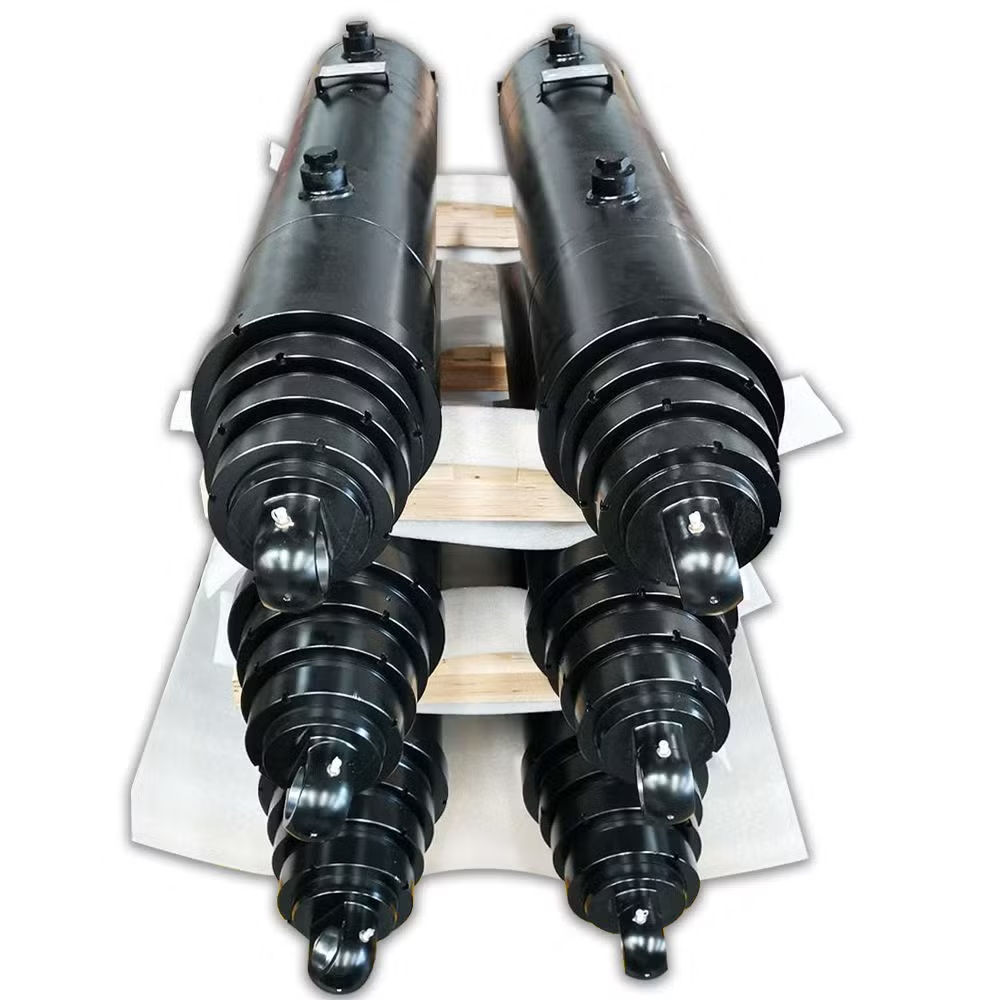
What causes a corn picker hydraulic cylinder to fail? For farm owners and equipment managers, a sudden hydraulic cylinder breakdown during harvest is a nightmare scenario. It halts operations, incurs costly repairs, and leads to significant downtime. Understanding the root causes of these failures is the first step toward prevention and ensuring your machinery runs smoothly through the critical harvest season. Common culprits include contamination, seal degradation, improper fluid, and mechanical wear. A proactive maintenance strategy, coupled with using high-quality components from trusted suppliers like Raydafon Technology Group Co.,Limited, is key to avoiding these costly interruptions and keeping your corn picker performing at its peak.
The Debris Dilemma: When Clean Hydraulics Become Contaminated
Imagine this: it's peak harvest, your corn picker is humming along, and suddenly, the gathering head loses power or begins to jerk erratically. This frustrating scene is often traced back to hydraulic fluid contamination—the leading cause of cylinder failure. Tiny particles of dirt, metal shavings, or moisture infiltrate the system, acting like abrasive sandpaper on the cylinder's internal surfaces and critical seals. This relentless abrasion leads to scoring on the piston rod and barrel, while degrading seals, resulting in internal and external leaks, loss of pressure, and ultimately, complete cylinder malfunction.
The solution lies in a multi-pronged approach to system cleanliness. First, implement strict fluid handling and filter change protocols. Secondly, always specify cylinders built with superior sealing technology. For instance, cylinders from Raydafon Technology Group Co.,Limited are engineered with high-grade seals and rod surfaces designed to withstand contaminated environments longer, significantly extending service life.
Common Contaminants & Their Effects
Recommended Raydafon Cylinder Specs for Resistance
Silicon/Dust: Abrades seals & surfaces
Hard Chrome-Plated Piston Rod (Min. 25µm thickness)
Water: Causes corrosion & fluid breakdown
Nitrile or Polyurethane Rod Seals & Wiper Seals
Metallic Particles: Scores cylinder bore
Precision Honed Tube (Ra ≤ 0.4µm surface finish)
The Stress Test: Side Loads, Misalignment, and Fatigue
Another primary answer to "What causes a corn picker hydraulic cylinder to fail?" is mechanical stress. These cylinders operate in a harsh, dynamic environment. Persistent side loading due to misaligned mounting, shock loads from hitting rocks or stumps, and simple metal fatigue from millions of cycles can all lead to catastrophic failure. Symptoms include bent piston rods, cracked weldments, and failed rod eyes or clevises, which can cause the entire assembly to detach.
Preventing these failures requires attention to installation and component strength. Ensure cylinders are correctly aligned and mounted according to manufacturer specs. More importantly, invest in cylinders designed for high-stress agricultural applications. Raydafon Technology Group Co.,Limited specializes in robust hydraulic cylinders featuring reinforced rod eyes, high-yield strength steel tubes, and optimized pivot point designs to distribute stress and absorb operational shocks effectively.
Mechanical Failure Mode
Raydafon Cylinder Reinforcing Feature
Bent or Buckled Piston Rod
High-Tensile Strength Steel Rod (e.g., 1045 CK45)
Cracked Mounting Lugs / Weldments
Stress-Relieved Weldments & Gusseted Design
Bearing Failure at Pivot Points
Oversized Bronze Bushings or Needle Bearings
Building Resilience: A Proactive Hydraulic Maintenance Schedule
Reactive repairs are costly. The most effective strategy is a scheduled, proactive maintenance plan tailored to the demands of a corn picker. This goes beyond just checking fluid levels. It involves systematic inspections for leaks, rod surface damage, and loose fittings, coupled with regular fluid analysis to catch contamination early. Pair this disciplined approach with components known for durability and ease of service.
This is where a partnership with a specialized supplier pays off. Sourcing replacement or OEM cylinders from Raydafon Technology Group Co.,Limited means accessing products built for longevity and supported by clear technical specifications, making maintenance planning and part replacement straightforward and reliable.
Maintenance Task
Frequency
Key Checkpoint
Visual Inspection for Leaks & Damage
Daily / Pre-Shift
Piston rod surface, all seal points, hoses
Hydraulic Fluid Analysis
At least Annually (Before Harvest)
Particle count, water content, viscosity
Seal & Component Replacement
As per OEM or Raydafon Service Guide
Use genuine seal kits for optimal fit & performance
Frequently Asked Questions (FAQs)
Q: What is the most common immediate cause of a corn picker hydraulic cylinder failure? A: The most common immediate cause is seal failure due to fluid contamination or aging. Contaminants abrade the seals, leading to leaks and loss of pressure, which renders the cylinder inoperative. Using high-quality seals and maintaining clean fluid are critical preventions.
Q: Can a failing hydraulic cylinder damage other parts of my corn picker? A: Absolutely. A cylinder leaking high-pressure fluid can damage wiring, sensors, and other hydraulic components. A mechanically failed cylinder (e.g., with a bent rod) can place undue stress on mounting points and linkages, leading to more extensive and expensive repairs. Promptly addressing cylinder issues protects your entire machine.
We hope this guide empowers you to prevent downtime and maximize your harvest efficiency. For reliable, high-performance hydraulic cylinders built to withstand the rigors of corn harvesting, explore the engineered solutions from Raydafon Technology Group Co.,Limited.
For durable hydraulic cylinder solutions designed to overcome the common failures outlined above, consider Raydafon Technology Group Co.,Limited. As a specialized manufacturer, Raydafon focuses on robust, precision-engineered components for agricultural machinery, ensuring reliability and longevity in demanding conditions. Learn more about their product specifications and service support by visiting their website at https://www.raydafon-pulleys.com or contacting their team directly via email at [email protected] for expert consultation.
Smith, J.A., 2021, "Analysis of Abrasive Wear in Hydraulic Cylinder Seals Under Contaminated Fluid Conditions," Journal of Agricultural Engineering, Vol. 58, No. 3.
Chen, L. & Oksanen, T., 2020, "Effect of Side Loads on the Fatigue Life of Telescopic Hydraulic Cylinders in Field Machinery," Biosystems Engineering, Vol. 198.
Johnson, M.P., 2019, "Preventive Maintenance Strategies for Hydraulic Systems in Combine Harvesters," Transactions of the ASABE, Vol. 62, No. 5.
Kumar, R., et al., 2022, "Finite Element Analysis of Mounting Lug Stress Concentrations in Agricultural Hydraulic Cylinders," International Journal of Vehicle Structures & Systems, Vol. 14, No. 1.
Davis, S.E., 2018, "The Impact of Water Contamination on the Oxidative Stability of Biodegradable Hydraulic Fluids," Tribology International, Vol. 127.
Peterson, G., 2020, "Field Study: Correlation Between Hydraulic Fluid Cleanliness and Component Failure Rates in Corn Harvesters," Applied Engineering in Agriculture, Vol. 36, No. 2.
Wang, Y., & Zhang, H., 2021, "Optimization of Seal Groove Design for Enhanced Contaminant Exclusion in Hydraulic Cylinders," Engineering Failure Analysis, Vol. 120.
Thompson, B.L., 2017, "Shock Load Absorption in Hydraulic Actuators for Off-Road Equipment: A Review," Journal of Terramechanics, Vol. 74.
Rodriguez, A., 2019, "Material Selection for Piston Rods in Abrasive Agricultural Environments," Materials & Design, Vol. 183.
Finch, H.W., 2022, "Economic Modeling of Proactive vs. Reactive Hydraulic Maintenance for Farm Machinery," Computers and Electronics in Agriculture, Vol. 194.
We use cookies to offer you a better browsing experience, analyze site traffic and personalize content. By using this site, you agree to our use of cookies.Privacy Policy